
Water is an essential element for our survival, but unfortunately, not always can we have access to clean water. Even if the water appears clean, it may contain harmful contaminants such as chlorine, bacteria, and heavy metals that can harm our health.
The presence of these contaminants in drinking water can lead to a variety of health problems, including:
- Digestive issues: Contaminants like chlorine and heavy metals can cause stomach cramps, diarrhea, and nausea.
- Respiratory problems: Bacteria and viruses can exacerbate conditions like asthma and bronchitis.
- Cancer risk: Some contaminants, such as arsenic and lead, are known carcinogens.
The Need for Effective Water Filtration Methods
Given the presence of these contaminants, it is essential to use effective methods to purify the water from the tap or any other source. While expensive filters are available, there are alternative methods that can be used to make clean drinking water at home.
One of the simplest and most reliable methods for purifying water is boiling it for a sufficient period of time. High temperatures kill bacteria, viruses, and other microorganisms, removing all impurities from the water. However, this method requires fuel and can take some time.
Alternatively, iodine treatment is an effective and convenient method that can kill viruses and bacteria. To use this method, you need to drop a compressed tablet of iodine into the water, agitate it well, and let it sit for 30 minutes before drinking.
Using a Coffee Filter as a Temporary Solution
Another quick fix for improving the appearance of water is to pass it through a coffee filter or a clean cloth. This won’t make the water safe to drink, but it can improve its clarity.
For example, you can use a paper towel or a fine-mesh sieve to remove sediment and particulate matter from the water. However, this method should not be relied upon as the sole means of purification.
Creating Your Own Water Filtration System at Home
If you don’t have access to expensive filters or prefer to use more natural methods, you can create your own water filtration system at home using readily available materials. Here’s a simple guide:
- Materials Needed:
- A plastic bottle or container
- Another clean container for filtered water
- Cotton cloth or paper towels
- Coffee filter or paper towel
- Activated charcoal (optional)
- Sand and small rocks
- Gravel or small stones
- Step-by-Step Instructions:
- Cut the bottom off the plastic bottle to create a base for your filtration system.
- Fill the bottom of the container with sand and small rocks, followed by a layer of gravel or small stones.
- Add a layer of activated charcoal on top of the gravel, if using.
- Place a coffee filter or paper towel over the top of the charcoal layer.
- Cut a piece of cotton cloth or paper towel to fit over the top of the container.
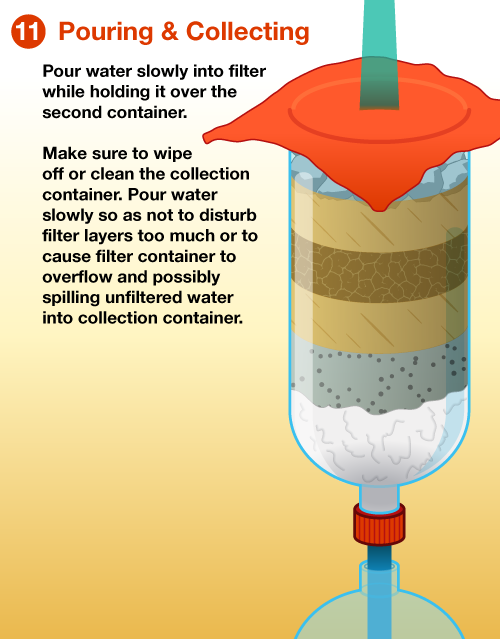
- Pour water from another source into the system and slowly pour it through the filtration system, collecting the filtered water in the clean container.
While this method is not foolproof, it can be effective in removing some contaminants from the water.
Common Contaminants Found in Drinking Water
When evaluating your water quality, consider the following common contaminants:
- Bacteria: E. coli, Salmonella, and Campylobacter are just a few examples of bacteria that can contaminate drinking water.
- Viruses: Rotavirus, Norovirus, and Adenovirus are just a few examples of viruses that can contaminate drinking water.
- Heavy metals: Lead, arsenic, and mercury are just a few examples of heavy metals that can contaminate drinking water.
- Disinfection byproducts: Chlorine disinfection byproducts (DBPs) are known to be carcinogenic and should be avoided.
Conclusion
Purifying water at home doesn’t have to break the bank. With a little creativity and resourcefulness, you can create your own water filtration system using materials you may already have on hand. Whether you choose to boil and iodine treat your water or use a homemade filtration system, always remember that it’s better to err on the side of caution when it comes to your health.
Frequently Asked Questions
- Is boiling water enough to purify it?
- Boiling can kill bacteria and viruses, but it may not remove all contaminants, especially heavy metals.
- What is iodine used for in water purification?
- Iodine treatment is effective against viruses and bacteria, but its effectiveness may vary depending on the concentration of the solution and the type of contamination present.
- Can homemade filtration systems remove all contaminants from water?
- While homemade filtration systems can be effective in removing some contaminants, they may not be foolproof and should always be used in conjunction with other methods, such as boiling or iodine treatment.
- What are the risks of using a coffee filter to purify water?
- Using a coffee filter to purify water is not recommended as it won’t remove all contaminants and can actually introduce new ones into the water.
- Can activated charcoal be used in water filtration systems?
- Activated charcoal can be effective in removing some contaminants from water, but its effectiveness may vary depending on the type of contamination present and the quality of the charcoal itself.
- How often should I replace the filters in my homemade water filtration system?
- The frequency at which you need to replace the filters will depend on usage and the quality of the materials used in your filtration system.
By following these guidelines, you can create your own effective water purification system at home without breaking the bank. Always remember that it’s better to err on the side of caution when it comes to your health and well-being.


