
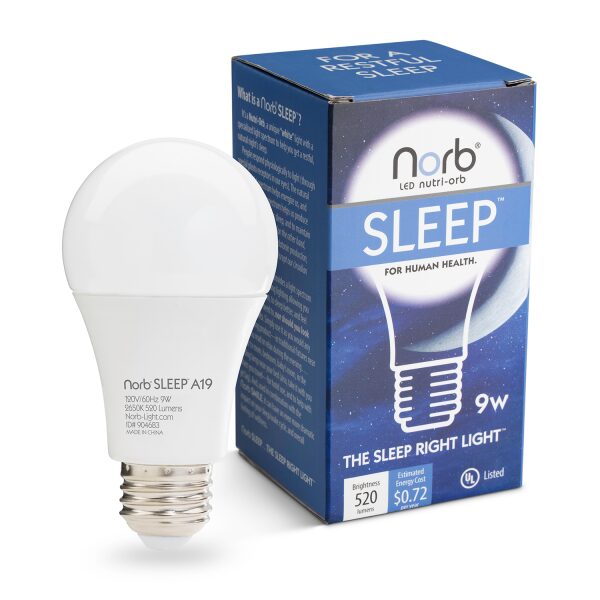
As the world becomes increasingly aware of the importance of sleep, a new technology has emerged that can improve the quality of our slumber: biocompatible LED lighting. This innovative approach to lighting uses LED bulbs that mimic the body’s natural circadian rhythm, helping us fall asleep faster and stay asleep longer.
What Makes Biocompatible LED Lighting Special?
Biocompatible LED lighting is based on a technology developed by Lighting Science, one of the largest producers of LED lights in the world. Their research has led to the creation of a system that uses LED bulbs that are not only energy-efficient but also gentle on our bodies.
How Does It Work?
The Definity Digital lamp works by harnessing the body’s natural attention mechanism to regulate its circadian rhythm. By adjusting the color temperature and brightness, the lamp helps to:
- Enhance alertness during the day
- Regulate sleep-wake cycles
- Reduce stress and fatigue
Key Benefits of Biocompatible LED Lighting
- Improved Sleep Quality: Biocompatible LED lighting can help regulate our natural circadian rhythm, leading to better sleep quality and duration.
- Reduced Stress and Fatigue: By mimicking the body’s natural light-dark cycle, biocompatible LED lighting can reduce stress and fatigue.
- Increased Alertness: The technology enhances alertness during the day, helping us stay focused and productive.
A History of Innovation
Biocompatible LED lighting is not a new concept. In fact, researchers have been exploring ways to harness the power of light for over two decades. One notable example is the NASA-developed Good Night lamp, which was designed to help astronauts regulate their sleep-wake cycles during long-duration space missions.
Real-World Applications
Biocompatible LED lighting is not just a concept; it’s being used in real-world applications. The Six Senses resort chain has partnered with Lighting Science to integrate Definity Digital lamps into its spas and resorts. This means that guests can enjoy the benefits of biocompatible LED lighting during their stay.
Global Rollout
The launch of biocompatible LED lighting is a global effort, with plans to roll out the technology in 26 Six Senses spa locations and nine resorts worldwide.
A New Era for Sleep and Wellness
Biocompatible LED lighting represents a new era in sleep and wellness. By harnessing the power of light, we can improve our overall health and quality of life. Whether you’re looking to improve your sleep or simply feel more energized during the day, biocompatible LED lighting is worth exploring.
Frequently Asked Questions
Q: What is biocompatible LED lighting?
A: Biocompatible LED lighting uses LED bulbs that mimic the body’s natural circadian rhythm, helping us fall asleep faster and stay asleep longer.
Q: How does it work?
A: The Definity Digital lamp works by harnessing the body’s natural attention mechanism to regulate its circadian rhythm.
Q: What are the benefits of biocompatible LED lighting?
A: Biocompatible LED lighting can help improve sleep quality, reduce stress and fatigue, and increase alertness during the day.
Q: Is biocompatible LED lighting a new concept?
A: While researchers have been exploring ways to harness the power of light for over two decades, biocompatible LED lighting is a relatively new development.
Q: Who can benefit from biocompatible LED lighting?
A: Anyone looking to improve their sleep quality or simply feel more energized during the day can benefit from biocompatible LED lighting.
How Can I Incorporate Biocompatible LED Lighting into My Home?
Incorporating biocompatible LED lighting into your home is easier than you think. Here are a few ways to get started:
- Start with one lamp: Begin by installing the Definity Digital lamp in one room, such as your bedroom or living room.
- Experiment with different settings: Play around with the color temperature and brightness settings to find what works best for you.
- Consider upgrading other lighting fixtures: Replace traditional light bulbs with biocompatible LED bulbs in your home’s existing lighting fixtures.
Biocompatible LED Lighting vs. Traditional Lighting
When it comes to choosing between biocompatible LED lighting and traditional lighting, there are several factors to consider:
- Energy Efficiency: Biocompatible LED lighting is significantly more energy-efficient than traditional lighting.
- Color Temperature: Biocompatible LED lighting offers a wider range of color temperatures than traditional lighting, allowing for greater flexibility in terms of ambiance and mood.
- Lifespan: Biocompatible LED lighting has a longer lifespan than traditional lighting, reducing the need for replacement and minimizing waste.
The Future of Sleep Technology
As sleep technology continues to evolve, we can expect to see even more innovative solutions that prioritize our well-being. Some potential future developments include:
- Smart Lighting Systems: Integration with smart home systems could enable seamless control over lighting levels and color temperature.
- Personalized Lighting Profiles: Advanced algorithms could analyze an individual’s sleep patterns and adjust lighting accordingly.
- Non-Visual Stimulation: New technologies may incorporate non-visual stimulation, such as sound or scent, to further enhance the sleep experience.
Conclusion
Biocompatible LED lighting represents a significant advancement in our understanding of the importance of light for our well-being. By harnessing the power of light, we can improve our overall health and quality of life. Whether you’re looking to improve your sleep or simply feel more energized during the day, biocompatible LED lighting is worth exploring.
What’s Next?
As biocompatible LED lighting continues to gain popularity, we can expect to see a growing body of research on its effects on human health and well-being. If you’re interested in learning more about this emerging technology, consider:
- Staying up-to-date with the latest news: Follow reputable sources and industry leaders for the latest updates on biocompatible LED lighting.
- Consulting with experts: Reach out to sleep specialists or healthcare professionals who are familiar with the technology.
- Exploring potential applications: Consider how biocompatible LED lighting could be used in various settings, such as hospitals, offices, or homes.
By staying informed and engaged, we can unlock the full potential of biocompatible LED lighting and reap its many benefits for ourselves and those around us.


