
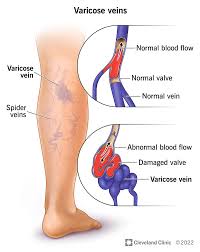
As we age, our veins can become weakened and dilated, leading to the formation of varicose veins. These twisted, enlarged veins can be unsightly and painful, causing discomfort and swelling in the affected area. But what causes varicose veins? How do they form? And what are the treatment options available?
What is Varicosi?
In medical terms, varicosi refers to a condition where the superficial venous system becomes dilated, leading to a range of symptoms from small, cosmetic issues to more serious complications.
The Anatomy of Veins
To understand how veins work, it’s essential to know their anatomy. The superficial venous system is responsible for draining blood from the surface of our skin and transporting it to the heart. To overcome gravity, these veins have valves that prevent backflow and ensure the smooth flow of blood upwards.
The Formation of Varicose Veins
Varicose veins are a result of weakened or damaged valves within the venous system. This can lead to a backup of blood in the affected areas, causing swelling, pain, and discoloration. The formation of varicose veins is often influenced by a combination of factors, including:
- Genetics: If you have a family history of varicose veins, you may be more susceptible to developing them.
- Age: Veins naturally become weaker with age.
- Obesity: Excess weight puts additional strain on the venous system.
- Prolonged Standing or Sitting: Jobs that involve standing for long periods can cause blood to pool in the legs, leading to varicose veins.
- Hormonal Changes: Hormonal fluctuations during pregnancy can lead to weakened valves and increased risk of varicose veins.
Insufficiency Venosa Cronica and Varici
Varicosi can lead to insufficiency venosa cronica, a condition where the valves within the venous system fail, causing blood to pool in the affected areas. This can lead to serious complications, including:
- Edema: Swelling due to fluid buildup in the tissues
- Skin Changes: Discoloration and thickening of the skin
- Circulatory Problems: Increased risk of blood clots and other circulatory issues
Treatment Options
Treatment options for varicose veins vary depending on the severity of the condition. Some common treatments include:
- Sclerotherapy: A procedure where a solution is injected into the affected vein to close it off.
- Endovenous Laser Therapy (EVLT): A minimally invasive procedure that uses heat to close off the affected vein.
- Radiofrequency Ablation: A procedure that uses heat to shrink the affected vein.
Alternative Treatments
In addition to traditional treatments, some alternative methods have gained popularity in recent years:
- Compression Therapy: Wearing compression stockings or sleeves can help reduce swelling and improve circulation.
- Exercise and Lifestyle Changes: Regular exercise, such as cycling or swimming, can help improve circulation and strengthen the muscles in the legs.
- Herbal Remedies: Some herbal remedies, such as horse chestnut extract, have been suggested to help alleviate symptoms of varicose veins.
FAQs
Q: What are varicose veins?
A: Varicose veins are twisted, enlarged veins that can be unsightly and painful, causing discomfort and swelling in the affected area.
Q: How do varicose veins form?
A: Varicose veins are a result of weakened or damaged valves within the venous system, often caused by a combination of factors such as genetics, age, obesity, prolonged standing or sitting, and hormonal changes.
Q: Can varicose veins be treated?
A: Yes, treatment options for varicose veins vary depending on the severity of the condition, including sclerotherapy, endovenous laser therapy (EVLT), and radiofrequency ablation.
Q: What are the complications of untreated varicose veins?
A: Untreated varicose veins can lead to serious complications, including edema, skin changes, and circulatory problems.
Q: How can I prevent varicose veins?
A: To prevent varicose veins, it’s essential to maintain a healthy lifestyle, including regular exercise, balanced diet, and avoiding prolonged standing or sitting. Additionally, wearing compression stockings can help reduce the risk of developing varicose veins.
Q: Can varicose veins be prevented in children?
A: While varicose veins are more common in adults, some children may also develop them due to underlying medical conditions or genetic predisposition. If you suspect your child has varicose veins, consult with a healthcare professional for proper diagnosis and treatment.
Q: Are there any home remedies that can help alleviate varicose vein symptoms?
A: While there are no definitive home remedies for treating varicose veins, some individuals may find relief by applying warm compresses to the affected area or using over-the-counter pain relievers. However, it’s essential to consult with a healthcare professional before trying any new treatments.
Q: Can varicose veins be cured?
A: While varicose veins cannot be completely “cured,” treatment options can significantly alleviate symptoms and prevent further complications. Regular check-ups with a healthcare professional are crucial to monitor progress and adjust treatment plans as needed.


