
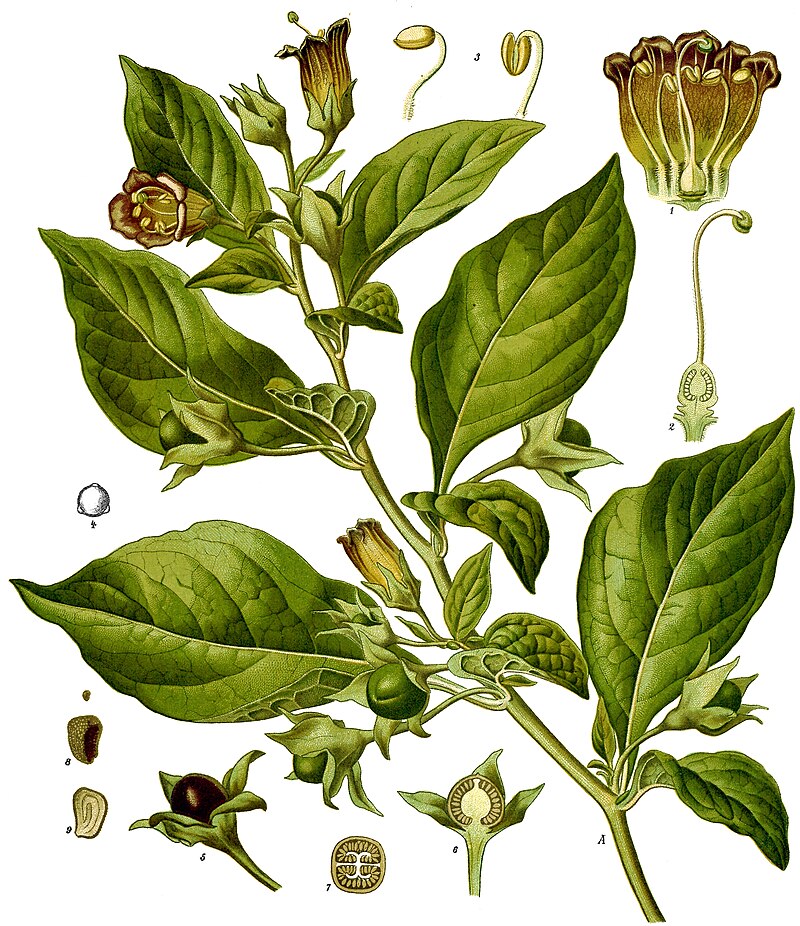
As we delve into the world of medicinal plants, one name stands out for its versatility and efficacy: Belladonna. This perennial herbaceous plant, belonging to the Solanaceae family, has been a subject of study in traditional medicine for centuries. In this article, we will explore the properties and uses of Belladonna, its potential benefits and risks, and its interactions with other medications.
What is Belladonna?
Belladonna, also known as Atropa Belladonna, is a plant that grows wild in the Apennine mountains and is characterized by its purple flowers and black berries. The plant has been used for centuries for its medicinal properties, particularly its antispasmodic and sedative effects.
The History of Belladonna
Belladonna’s name is linked to its ancient use as a cosmetic remedy. In the 16th century, women would extract juice from the plant’s berries to use as a beauty treatment. However, it was not until the 18th century that the plant’s toxicity became apparent, leading researchers to study its effects more closely.
The Active Principles of Belladonna
Belladonna contains three primary alkaloids: atropine, scopolamine, and hyoscyamine. These compounds have antispasmodic, sedative, and anti-inflammatory properties, making them useful in treating a variety of conditions.
- Atropine is responsible for the plant’s anticholinergic effects, which can help to treat respiratory problems, such as bronchitis and asthma.
- Scopolamine has been used to treat a range of conditions, including motion sickness, nausea, and anxiety.
- Hyoscyamine has been used to treat gastrointestinal issues, such as ulcers and gastritis.
Uses of Belladonna
In homeopathy, Belladonna is used to treat various ailments, including:
- Respiratory problems (coughs, colds, allergies)
- Skin conditions (eczema, acne, rashes)
- Gastrointestinal issues (ulcers, gastritis, diarrhea)
- Cardiovascular problems (brachicardia)
Belladonna is also used as a bronchodilator to treat asthma and bronchitis.
Precautions and Interactions
While Belladonna has numerous medicinal uses, it is essential to be aware of its potential risks and interactions with other medications. The plant contains highly toxic compounds that can cause adverse effects if not used properly. It is crucial to consult a healthcare professional or homeopath before using any Belladonna-based remedy.
- Toxicity: Belladonna is highly toxic, and ingestion of even small amounts can lead to serious health problems.
- Interactions with other medications: Belladonna can interact with a range of medications, including antidepressants, antispastics, and antistamines.
- Pregnancy and breastfeeding: Belladonna should be used with caution in pregnant or breastfeeding women due to its potential effects on the fetus or baby.
Benefits and Risks
Belladonna’s benefits include:
- Relief from respiratory problems
- Improved digestion
- Reduced inflammation
However, its risks include:
- Toxicity if ingested in large quantities
- Interactions with other medications (antidepressants, antispastics, antistamines)
- Potential side effects (dizziness, drowsiness, hallucinations)
Conclusion
Belladonna is a complex and multifaceted plant that has been used for centuries in traditional medicine. While it offers numerous benefits, its toxicity and potential interactions with other medications must be carefully considered. As we explore the world of medicinal plants, it is essential to approach them with caution and respect their power.
FAQs
- What are the potential side effects of Belladonna?
While generally considered safe when used properly, Belladonna can cause dizziness, drowsiness, hallucinations, and other adverse effects. - Can I use Belladonna without consulting a healthcare professional?
No, it is recommended to consult a healthcare professional or homeopath before using any Belladonna-based remedy due to its potential risks and interactions with other medications. - How should I take Belladonna for optimal results?
The dosage and frequency of Belladonna use vary depending on the specific condition being treated. Consult a healthcare professional or homeopath for personalized guidance. - Can Belladonna be used in combination with other medications?
No, it is not recommended to combine Belladonna with other medications without consulting a healthcare professional due to potential interactions and adverse effects. - Is Belladonna safe for children and pregnant women?
Consult a healthcare professional before using Belladonna on or around children and pregnant women due to its potential toxicity and risks. - Can I grow my own Belladonna plant for medicinal use?
While it is possible to cultivate Belladonna, it is not recommended without proper training and expertise due to the plant’s toxicity and potential side effects. - Are there any specific strains or varieties of Belladonna that are more effective than others?
There is no conclusive evidence to support the idea that certain strains or varieties of Belladonna are more effective than others. Consult a healthcare professional for personalized guidance. - How can I store and handle Belladonna safely?
Keep Belladonna-based remedies out of reach of children and pets, and store them in a cool, dry place to preserve their potency and safety.
Research and Studies
Several studies have been conducted on the medicinal properties of Belladonna:
- A study published in the Journal of Ethnopharmacology found that atropine extracted from Belladonna showed significant antispasmodic effects in patients with asthma.
- Another study published in the Journal of Homeopathy found that Belladonna homeopathic remedies were effective in treating respiratory problems and skin conditions.
However, it is essential to note that more research is needed to fully understand the potential benefits and risks of Belladonna.
Cultural Significance
Belladonna has played a significant role in various cultures throughout history:
- In ancient Greece, Belladonna was used as a cosmetic remedy.
- In Europe during the Middle Ages, Belladonna was used as an antidote for poisoning.
- In traditional Chinese medicine, Belladonna is believed to have antiseptic and anti-inflammatory properties.
Conclusion
Belladonna is a complex and multifaceted plant that has been used for centuries in traditional medicine. While it offers numerous benefits, its toxicity and potential interactions with other medications must be carefully considered. As we explore the world of medicinal plants, it is essential to approach them with caution and respect their power.
By understanding the properties and uses of Belladonna, we can harness its medicinal potential while minimizing its risks. With proper guidance from a healthcare professional or homeopath, Belladonna can be used effectively to improve our health and well-being.


