
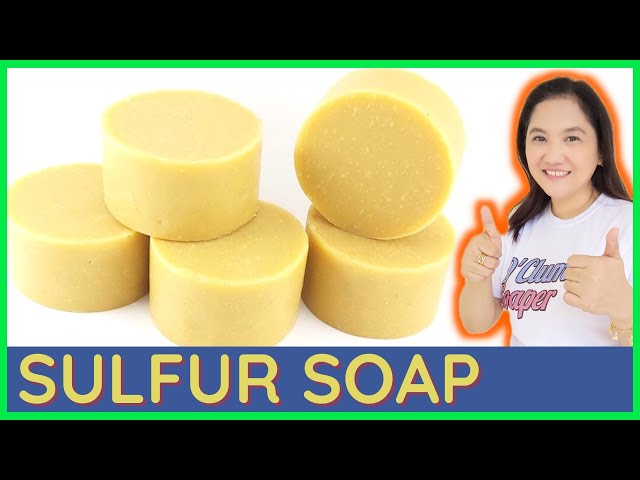
As a natural skincare enthusiast, you’re probably no stranger to the benefits of using natural ingredients on your skin. One of the most effective and gentle ways to achieve healthy, glowing skin is by using natural soap made with nourishing ingredients like olive oil, coconut oil, and essential oils.
In this article, we’ll explore the world of natural soap making, focusing on the art of creating your own natural soap at home using simple recipes and affordable ingredients. We’ll also delve into the benefits of using natural soap for acne-prone skin, psoriasis, and other skin issues.
Understanding the Benefits of Natural Soap
Natural soap is made from natural ingredients like olive oil, coconut oil, shea butter, and essential oils, which work together to nourish and moisturize your skin. The key benefits of using natural soap include:
- Gentle on the skin: Natural soap is less likely to strip your skin of its natural oils, making it perfect for sensitive skin.
- Anti-inflammatory properties: Many natural ingredients used in soap making have anti-inflammatory properties that can help reduce redness and irritation.
- Antibacterial properties: Essential oils like tea tree oil and lavender oil have antibacterial properties that can help combat acne and other skin issues.
Choosing the Right Ingredients
When it comes to choosing the right ingredients for your natural soap, there are several options to consider:
- Olive oil: Rich in antioxidants and fatty acids, olive oil is a great moisturizer for dry skin.
- Coconut oil: High in saturated fats, coconut oil can help lock in moisture and reduce inflammation.
- Shea butter: A rich source of vitamins A and E, shea butter is perfect for hydrating and nourishing the skin.
Basic Soap Making Recipe
Here’s a simple recipe to get you started:
Ingredients:
- 1 pound of natural soap base (made from olive oil, coconut oil, etc.)
- 2 tablespoons of olive oil
- 2 tablespoons of coconut oil
- 2 teaspoons of shea butter
- Optional: essential oils like lavender or tea tree oil
Instructions:
- Melt the soap base in a double boiler or in a microwave-safe bowl.
- Add the olive oil, coconut oil, and shea butter to the melted soap base.
- Stir until well combined.
- Add optional essential oils if desired.
- Pour into a mold and allow to cool and harden.
Tips for Creating Your Own Natural Soap
- Experiment with different ingredients: Try using different combinations of olive oil, coconut oil, and shea butter to create unique soap recipes.
- Use natural colorants: Instead of artificial colors, try using natural ingredients like turmeric or beetroot powder to add a pop of color to your soap.
- Add exfoliants: Incorporate exfoliating ingredients like sugar or salt into your soap for an extra boost.
Working with Soap Bases
Soap bases are the foundation of any soap recipe. They provide the structure and texture that your soap needs to hold together. Here are a few things to consider when working with soap bases:
- Choosing the right soap base: There are many different types of soap bases available, including glycerin, olive oil, and coconut oil. Choose a soap base that suits your skin type and preferences.
- Melting point: The melting point of the soap base is important to consider when making soap. If the soap base has a high melting point, it may be difficult to melt properly.
- Texture: Soap bases can vary in texture from smooth to rough. Choose a soap base that provides the desired texture for your soap.
Adding Essential Oils
Essential oils are a great way to add fragrance and benefits to your natural soap. Here are a few things to consider when working with essential oils:
- Choosing the right essential oil: There are many different types of essential oils available, including lavender, tea tree, and eucalyptus. Choose an essential oil that suits your skin type and preferences.
- Adding the right amount: Too much essential oil can be overpowering and irritating to the skin. Start with a small amount and adjust as needed.
Safety Precautions
When making soap at home, it’s important to follow safety precautions to avoid injury or damage. Here are a few things to consider:
- Using protective gear: Wear protective gear like gloves and goggles when working with hot equipment and flammable materials.
- Following recipe instructions: Follow the recipe instructions carefully to ensure that your soap turns out properly.
- Keeping an eye on temperature: Keep an eye on the temperature of the melted soap base to avoid overheating or burning.
Conclusion
Creating your own natural soap at home is easier than you think! With simple recipes, affordable ingredients, and endless possibilities for customization, the world of natural soap making is waiting to be explored. Remember to always follow safety precautions when working with hot equipment and flammable materials, and happy soap making!
Frequently Asked Questions
Q: Can I use natural soap on sensitive skin?
A: Yes! Natural soap is often gentler on the skin than commercial soaps.
Q: How long does it take for homemade soap to harden?
A: Depending on the recipe, it can take anywhere from a few hours to several days for your soap to harden completely.
Q: Can I add essential oils to my soap base?
A: Yes! Essential oils are a great way to add fragrance and benefits to your natural soap.
Q: What’s the best way to store homemade soap?
A: Keep your homemade soap in an airtight container, away from direct sunlight and moisture.


