
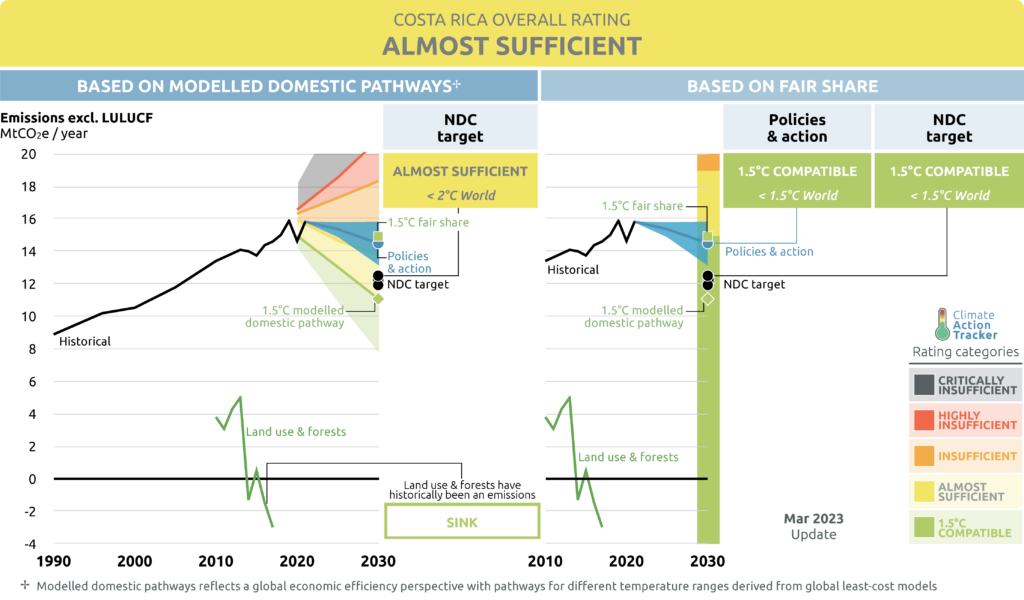
In an effort to reduce its carbon footprint and become a model for sustainable development, Costa Rica has set ambitious goals to achieve carbon neutrality by 2021. With a focus on renewable energy sources and expanding green areas, the country aims to compensate for harmful emissions and eliminate greenhouse gas contributions.
A Brief History of Costa Rica’s Environmental Efforts
Costa Rica has been at the forefront of environmental protection in Central America for decades. In fact, the country was one of the first in the region to adopt a comprehensive conservation plan, known as the “National Conservation Plan.” This initiative aimed to protect 28% of its territory by 2021 and promote sustainable development.
One of Costa Rica’s most notable achievements is its commitment to reforestation efforts. In the 1980s, the country lost over 20% of its forests due to logging, deforestation, and agriculture. However, through concerted efforts, Costa Rica has been able to recover much of that land and now boasts an impressive 52% forest cover.
Why Carbon Neutrality Matters
So, why does carbon neutrality matter? In simple terms, it means that a country or entity produces no net greenhouse gas emissions. This can be achieved through various means, including increasing renewable energy sources and adopting policies to expand green areas. By achieving carbon neutrality, Costa Rica aims to reduce its reliance on fossil fuels and mitigate the impact of climate change.
Costa Rica’s Renewable Energy Sources
Currently, Costa Rican energy comes from a variety of sources, including:
- Hydroelectricity: This is by far the largest contributor to Costa Rica’s energy mix, accounting for approximately 73% of the country’s electricity production.
- Wind turbines: Costa Rica has been investing heavily in wind power, with over 100 wind farms currently operational. These turbines produce enough electricity to power over 250,000 homes.
- Solar panels: Costa Rica aims to increase its solar panel capacity by 50% in the coming years, with plans to integrate these systems into existing energy grids.
- Geothermal energy: This clean energy source is harnessed from hot springs and volcanoes, providing heat for buildings and electricity for homes.
- Biomass facilities: These facilities burn organic waste, such as wood scraps and agricultural byproducts, to generate electricity.
These renewable energy sources account for approximately 73% of the country’s energy production. While this is a significant step forward, Costa Rica aims to increase its reliance on these sources even further.
The Role of Green Areas
One of the key strategies Costa Rica employs to achieve carbon neutrality is to expand green areas. This includes increasing the number of trees to compensate for harmful emissions and creating oxygen-rich environments. By doing so, the country can reduce its greenhouse gas contributions and promote sustainable development.
Costa Rica aims to increase its forest cover by 10% in the coming years, with plans to create new protected areas and restore degraded forests. This not only helps to combat climate change but also protects biodiversity, supports local communities, and provides opportunities for eco-tourism.
A Look at Costa Rica’s Progress So Far
While Costa Rica has made significant progress in recent years, there is still much work to be done. In 2011, the country generated approximately 73% of its energy from hydroelectricity and only 4% from wind power. However, with its ambitious project, Costa Rica aims to become the world’s first carbon-neutral country.
In addition to increasing renewable energy sources, Costa Rica has implemented a number of policies to promote sustainable development. These include:
- Carbon pricing: Costa Rica has introduced a carbon tax, which encourages companies and individuals to reduce their greenhouse gas emissions.
- Renewable portfolio standards (RPS): The country has set targets for the percentage of electricity generated from renewable sources, ensuring that the grid remains clean and reliable.
- Energy efficiency: Costa Rica aims to improve energy efficiency in buildings and industries through targeted programs and incentives.
Benefits for the Tourism Sector
Becoming a carbon-negative republic could bring significant benefits to Costa Rica’s tourism sector. Eco-conscious tourists are increasingly looking for destinations that prioritize sustainability and environmental protection. By achieving carbon neutrality, Costa Rica can attract more of these visitors and promote its unique culture and natural beauty.
In fact, studies have shown that eco-tourism can generate up to 10 times more revenue per tourist than traditional tourism. This is because eco-tourists are willing to pay a premium for their unique experiences and the opportunity to contribute to conservation efforts.
What’s Next for Costa Rica?
So, what’s next for Costa Rica? The country plans to continue increasing its reliance on renewable energy sources and expanding green areas. With its ambitious project, Costa Rica aims to become a model for sustainable development and inspire other countries to follow suit.
Some of the key initiatives on the horizon include:
- Expanding wind power capacity: Costa Rica aims to increase its wind power generation by 50% in the coming years, with plans to integrate these systems into existing energy grids.
- Developing new green technologies: The country is investing in research and development of new green technologies, such as carbon capture and storage (CCS) and advanced biofuels.
- Promoting sustainable agriculture: Costa Rica aims to increase its agricultural production while reducing greenhouse gas emissions. This will involve promoting sustainable farming practices, such as agroforestry and permaculture.
Conclusion
Costa Rica’s ambitious plan to become a carbon-negative republic is a significant step forward in the fight against climate change. By increasing renewable energy sources and expanding green areas, the country can reduce its greenhouse gas contributions and promote sustainable development. As the world looks to Costa Rica as a model for sustainability, it will be interesting to see how the country’s efforts pay off.
FAQs
- What does carbon neutrality mean?
Carbon neutrality means that a country or entity produces no net greenhouse gas emissions. - How did Costa Rica become involved in environmental protection?
Costa Rica has been at the forefront of environmental protection in Central America for decades, with a focus on sustainable development and conservation. - What is Costa Rica’s plan to achieve carbon neutrality?
Costa Rica aims to increase its reliance on renewable energy sources and expand green areas to compensate for harmful emissions and eliminate greenhouse gas contributions. - How will Costa Rica’s carbon neutrality project benefit the tourism sector?
Becoming a carbon-negative republic could bring significant benefits to Costa Rica’s tourism sector, attracting eco-conscious tourists and promoting its unique culture and natural beauty. - What is Costa Rica’s current energy mix?
Costa Rica’s current energy mix includes hydroelectricity (73%), wind power (4%), solar panels, geothermal energy, and biomass facilities. - Why is carbon neutrality important for Costa Rica?
Carbon neutrality is important for Costa Rica because it can reduce its reliance on fossil fuels, mitigate the impact of climate change, and promote sustainable development. - How much renewable energy does Costa Rica currently generate?
Costa Rica currently generates approximately 73% of its energy from hydroelectricity and 4% from wind power. - What are some of the benefits of becoming a carbon-negative republic?
Some of the benefits of becoming a carbon-negative republic include attracting eco-conscious tourists, promoting sustainable development, and reducing greenhouse gas contributions.


