
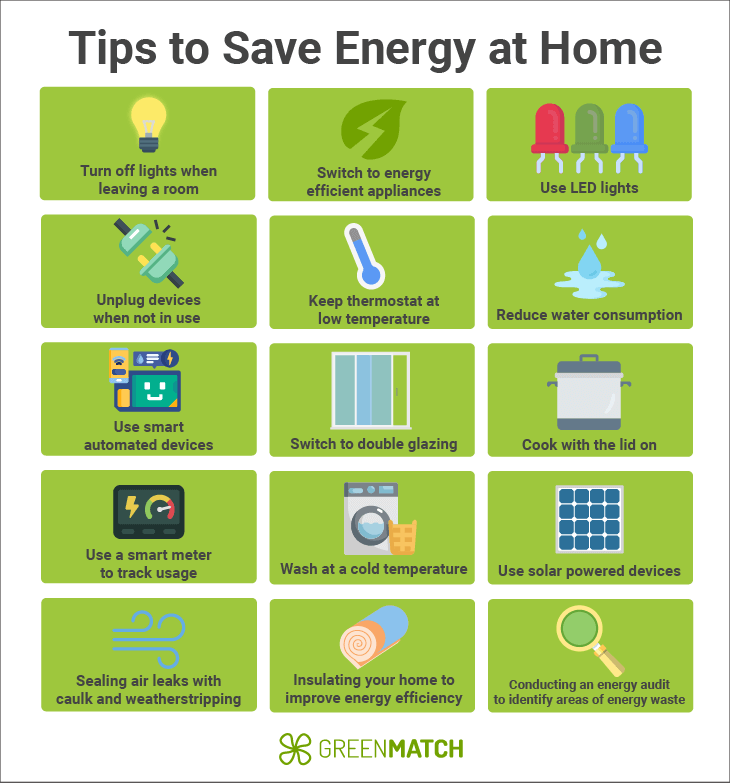
It’s shocking to see the impact of economic crises on our daily lives. Many citizens are forced to make tough decisions, including doing without heating. But fear not! With this guide, we’ll provide you with ten simple yet effective tips to save electricity and reduce your utility bill by up to 20%.
Why Saving Electricity Matters
Saving electricity is crucial for our planet’s future. It helps reduce greenhouse gas emissions, conserves natural resources, and lowers energy costs. By making a few simple changes to your daily habits, you can contribute to a more sustainable tomorrow.
According to the United States Energy Information Administration (EIA), households in the US consume approximately 10% of total energy production. This translates to about 3 billion kilowatt-hours (kWh) of electricity per day, which is equivalent to the power consumption of around 15 million homes. By implementing simple changes, you can make a significant impact on your household’s energy consumption and contribute to a more sustainable future.
Understanding the Problem: Energy Consumption Habits
Before we dive into the solutions, let’s understand where most of our energy is being wasted. Electric water heaters are the largest consumers of energy in many households. TVs, DVDs, and other devices continue to draw power even when turned off, and incandescent light bulbs are inefficient compared to LED alternatives.
In fact, studies have shown that a significant portion of household energy consumption is due to “standby” or “vampire” loads, which occur when devices continue to draw power even when turned off. These devices can include items like TVs, computers, and phone chargers. By identifying and eliminating these standby loads, you can make a significant impact on your household’s energy consumption.
Tip #1: Install a Monitor Display
The first step towards change is knowledge. Installing a monitor display that shows your real-time energy consumption can help you identify areas where you can make improvements. This simple habit can save you money in the long run.
In fact, studies have shown that households with smart thermostats and energy monitoring systems tend to use less energy than those without. By installing a monitor display, you can gain a better understanding of your energy consumption patterns and identify opportunities for improvement.
Tip #2: Replace Electric Water Heaters
Electric water heaters are energy-intensive appliances. Consider replacing them with gas or solar-powered models for a more eco-friendly option. Not only will this reduce your energy bills, but it’ll also minimize your carbon footprint.
Gas water heaters, in particular, can be an effective alternative to electric water heaters. They use natural gas as fuel and are often more efficient than electric water heaters. Solar-powered water heaters, on the other hand, use solar panels to heat water, which can be a highly sustainable option for households with abundant sunlight.
Tip #3: Turn off All Appliances
Make sure to turn off all your TVs, DVDs, and other devices when not in use. Additionally, avoid keeping phone chargers plugged into outlets as they continue to draw power even when unused. This simple habit can save you up to 10% on your energy bill.
This is a common practice known as “energy conservation by elimination.” By turning off appliances and eliminating standby loads, you can significantly reduce your household’s energy consumption.
Tip #4: Switch to LED Lighting
Replace traditional incandescent light bulbs with energy-efficient LED bulbs. They’re a cost-effective option and can be installed one bulb at a time. Not only will this reduce your energy consumption, but it’ll also last longer than traditional bulbs.
LED lighting is a highly sustainable option for households. They use significantly less energy than traditional incandescent bulbs and can last up to 25 times longer. By switching to LED lighting, you can make a significant impact on your household’s energy consumption.
Tip #5: Move the Refrigerator Away from Walls
Regular maintenance is crucial for your refrigerator. Remove dust from the radiator using a soft brush, and you’ll improve efficiency by 5-10%. This simple gesture can save you money on your utility bills.
This tip may seem small, but it can make a significant impact on your household’s energy consumption. By removing dust from the refrigerator’s radiator, you can ensure that it operates at peak efficiency.
Tip #6: Check Your Refrigerator Temperature
Many people don’t know how to set their refrigerators’ optimal temperature settings. Use a thermometer to ensure you’re not wasting energy on unnecessary heating or cooling. By adjusting the temperature, you’ll reduce your energy consumption and lower your bills.
In fact, studies have shown that households with refrigerators set at an optimal temperature (around 37°F) tend to use less energy than those with higher or lower temperatures. By using a thermometer to monitor your refrigerator’s temperature, you can make sure it’s operating at peak efficiency.
Tip #7: Modifying the Water Heater Installation
If you’ve replaced your electric water heater with one powered by gas or solar, make sure to modify the installation of your dishwasher as well. Simply connect the cold water supply to the hot water outlet to optimize performance and reduce energy consumption.
This tip is particularly relevant for households that have replaced their electric water heaters with more sustainable options. By modifying the installation of your dishwasher, you can ensure that it operates at peak efficiency and reduces your household’s energy consumption.
Tip #8: Use Thermostatic Valves
Install thermostatic valves on your central heating system to regulate temperature settings in individual rooms. This can lead to significant savings in electricity bills, which you’ll recover within a year.
Thermostatic valves are highly effective at regulating temperature settings and reducing energy consumption. By installing these valves on your central heating system, you can ensure that each room is heated only when needed, reducing waste and saving energy.
Tip #9: Opt for an Energy-Efficient Washing Machine
When purchasing a new washing machine, choose one with double insulation or install a water heater that uses leftover hot water instead of recharging the unit electrically. This simple upgrade can save you up to 15% on your energy bills.
This tip is particularly relevant for households with high-energy laundry needs. By opting for an energy-efficient washing machine or installing a water heater, you can reduce your household’s energy consumption and lower your bills.
Tip #10: Cook Efficiently in Your Oven
For oven owners, there are several tips to improve efficiency. Turn off the oven while cooking is not done and consider using refractory stones (e.g., pizza stone) to retain heat during cooking. This can significantly reduce energy consumption by up to 5%.
Ovens are often one of the most energy-intensive appliances in a household. By following these simple tips, you can improve your oven’s efficiency and reduce energy consumption.
Conclusion
By following these ten simple tips, you’ll be able to save electricity and cut your utility bills. Not only will this reduce your carbon footprint, but it’ll also lower your energy costs and create a more sustainable home. Start making changes today and join the journey towards a greener tomorrow.
Frequently Asked Questions
Q: What’s the most effective way to save electricity in my household?
A: The most effective way is to identify areas of high energy consumption and make simple changes, such as installing a monitor display or replacing electric water heaters with gas or solar-powered models.
Q: Can I still save money on my utility bills if I don’t replace my old appliances?
A: Yes, you can still save money by making small changes, such as turning off appliances when not in use or using energy-efficient LED bulbs.
Q: How often should I check my refrigerator temperature?
A: You should check your refrigerator temperature regularly to ensure it’s set at the optimal level. Use a thermometer to monitor the temperature and adjust it as needed.
Q: Can I save money by using a combination of gas and solar power for my water heater?
A: Yes, using a combination of gas and solar power can lead to significant savings in electricity bills. However, it’s essential to modify the installation of your dishwasher accordingly.
Q: How much energy can be saved by installing thermostatic valves?
A: Installing thermostatic valves on your central heating system can lead to significant savings in electricity bills, with some households recovering up to 20% of their expenses within a year.
Q: What’s the most cost-effective way to save money on my energy bills?
A: The most cost-effective way is to make simple changes, such as turning off appliances when not in use or using energy-efficient LED bulbs. These small changes can lead to significant savings over time.
Q: Can I still save money on my utility bills if I live in a cold climate?
A: Yes, you can still save money by making simple changes, such as installing insulation, using energy-efficient lighting, and turning off appliances when not in use.
Q: How often should I clean my refrigerator’s radiator?
A: You should clean your refrigerator’s radiator regularly to improve efficiency. Remove dust from the radiator using a soft brush, and this simple gesture can save you up to 10% on your energy bill.
Q: Can I still save money on my utility bills if I use a combination of gas and solar power for cooking?
A: Yes, using a combination of gas and solar power for cooking can lead to significant savings in electricity bills. However, it’s essential to follow simple tips, such as turning off the oven when not done, to maximize energy efficiency.
Q: How much energy can be saved by replacing old appliances with new ones?
A: Replacing old appliances with new ones can lead to significant savings in electricity bills. The exact amount of energy saved will depend on the type and efficiency of the new appliance.


