
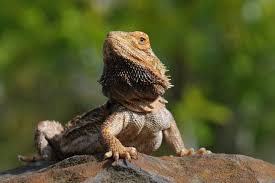
As a lizard enthusiast, you may have wondered about the lifespan of these fascinating creatures. How long do lizards live, what do they eat, and how can you catch them? In this article, we will delve into the world of lizards, exploring their lives, behavior, and habitat.
How Long Do Lizards Live?
Lizards are known for their remarkable longevity. While some species may only live for a few years, others can thrive for up to 20 years or more. The lifespan of a lizard depends on various factors, including its species, diet, and environment. In this article, we will focus on three popular species of lizards found in Italy: the common lizard (Podarcis sicula), the wall lizard (Podarcis muralis), and the ramarron (Python sebae).
The Lifespan of Common Lizards
Common lizards, such as the Podarcis sicula, can live for approximately 10 years. Wall lizards, on the other hand, may live for around 10-15 years. Ramarrons, with their impressive lifespan, can thrive for up to 20 years.
The Importance of a Safe Environment
A safe environment is crucial for a lizard’s survival. Two major threats to a lizard’s life are pesticides and predators. Pesticides, such as those used in agriculture, can harm lizards and reduce their populations. Predators, including birds, snakes, and small mammals, also pose a significant threat to lizards.
Differences Between Lizards and Ramarrons
Lizards (Podarcis sicula) are less developed and have duller coloration compared to ramarrons (Python sebae). The following image shows a common lizard, while the next image displays a ramarron.
What Happens When a Lizard Loses Its Tail?
The loss of a tail is often associated with a lizard’s death. However, this is not always the case. If an ape were to lose its pungiglione (tail), it would indeed die. But for lizards, losing their tail is a mere inconvenience. The good news is that a lizard can regrow its tail over time.
What Do Lizards Eat?
Lizards primarily feed on insects, including ants, beetles, and grasshoppers. Some species may also consume fruit, particularly if they are found in gardens or orchards. Cannibalism is not uncommon among lizards, with larger individuals preying on smaller ones.
Can You Catch a Lizard?
Catching a lizard can be challenging, but it’s possible with the right equipment and techniques. Before attempting to catch a lizard, consider the following:
- Do you have experience handling wildlife?
- Are you prepared for the possibility of not catching the lizard?
If you’re still interested in catching a lizard, here are some tips:
- Use a suitable enclosure: A secure, escape-proof enclosure is essential for keeping lizards safe and healthy.
- Provide adequate food and water: Offer a varied diet and ensure access to fresh water at all times.
- Create a comfortable environment: Maintain a suitable temperature range, humidity level, and lighting conditions.
Setting Up a Lizard-Proof Trap
To catch a lizard, you’ll need to set up a trap that mimics its natural habitat. Here’s a step-by-step guide:
- Choose the right material: Use a container made from a non-toxic material, such as cardboard or plastic.
- Add a lure: Place a light source near the trap to attract insects and lizards.
- Create a hiding place: Add some vegetation or small rocks to provide cover for the lizard.
The Importance of Proper Handling
Proper handling is essential when working with lizards. Here are some tips:
- Handle them gently: Lizards can be fragile, so it’s essential to handle them carefully.
- Support their body: Make sure to support the lizard’s body and legs when holding or moving them.
- Avoid handling during shedding: It’s best to avoid handling lizards during their shedding process, as they may be more vulnerable.
Conclusion
Lizards are fascinating creatures that play an essential role in our ecosystem. By understanding their behavior, habitat, and lifespan, we can better appreciate these animals and work towards their conservation. If you’re interested in learning more about lizards, check out our next article on “The Secret Life of Lizards: A Comprehensive Guide to Their Behavior and Habitat.”
Frequently Asked Questions
- How long do lizards live?
Lizards can live for up to 20 years or more, depending on the species and environment. - What do lizards eat?
Lizards primarily feed on insects, but may also consume fruit or other small invertebrates. - Can you catch a lizard?
Yes, with the right equipment and techniques, but it’s essential to prioritize the lizard’s safety and well-being. - Why do lizards lose their tails?
Losing a tail is not always fatal for lizards; they can regrow their tails over time. - How often should I feed my lizard?
Feed your lizard a varied diet, offering fresh vegetables and fruits daily, as well as insects weekly.
Additional Resources
- For more information on lizards and their behavior, check out the following articles:
- “The Secret Life of Lizards: A Comprehensive Guide to Their Behavior and Habitat”
- “Lizard-Friendly Gardening: Tips for Attracting These Fascinating Creatures”
- “Conserving Lizards: Efforts to Protect These Important Species”
Tips for Capturing a Lizard
If you’re interested in capturing a lizard, here are some additional tips:
- Research the species: Learn about the species’ behavior, habitat, and diet before attempting to capture it.
- Use the right equipment: Choose a suitable container and lure that mimics the lizard’s natural habitat.
- Be patient: Capturing a lizard can be challenging, so be prepared to wait and try again if necessary.
Conclusion
Lizards are fascinating creatures that play an essential role in our ecosystem. By understanding their behavior, habitat, and lifespan, we can better appreciate these animals and work towards their conservation. If you’re interested in learning more about lizards, check out our next article on “The Secret Life of Lizards: A Comprehensive Guide to Their Behavior and Habitat.”
Frequently Asked Questions
- How long do lizards live?
Lizards can live for up to 20 years or more, depending on the species and environment. - What do lizards eat?
Lizards primarily feed on insects, but may also consume fruit or other small invertebrates. - Can you catch a lizard?
Yes, with the right equipment and techniques, but it’s essential to prioritize the lizard’s safety and well-being. - Why do lizards lose their tails?
Losing a tail is not always fatal for lizards; they can regrow their tails over time. - How often should I feed my lizard?
Feed your lizard a varied diet, offering fresh vegetables and fruits daily, as well as insects weekly.
Additional Resources
- For more information on lizards and their behavior, check out the following articles:
- “The Secret Life of Lizards: A Comprehensive Guide to Their Behavior and Habitat”
- “Lizard-Friendly Gardening: Tips for Attracting These Fascinating Creatures”
- “Conserving Lizards: Efforts to Protect These Important Species”
Tips for Capturing a Lizard
If you’re interested in capturing a lizard, here are some additional tips:
- Research the species: Learn about the species’ behavior, habitat, and diet before attempting to capture it.
- Use the right equipment: Choose a suitable container and lure that mimics the lizard’s natural habitat.
- Be patient: Capturing a lizard can be challenging, so be prepared to wait and try again if necessary.
Conclusion
Lizards are fascinating creatures that play an essential role in our ecosystem. By understanding their behavior, habitat, and lifespan, we can better appreciate these animals and work towards their conservation. If you’re interested in learning more about lizards, check out our next article on “The Secret Life of Lizards: A Comprehensive Guide to Their Behavior and Habitat.”
Frequently Asked Questions
- How long do lizards live?
Lizards can live for up to 20 years or more, depending on the species and environment. - What do lizards eat?
Lizards primarily feed on insects, but may also consume fruit or other small invertebrates. - Can you catch a lizard?
Yes, with the right equipment and techniques, but it’s essential to prioritize the lizard’s safety and well-being. - Why do lizards lose their tails?
Losing a tail is not always fatal for lizards; they can regrow their tails over time. - How often should I feed my lizard?
Feed your lizard a varied diet, offering fresh vegetables and fruits daily, as well as insects weekly.
Additional Resources
- For more information on lizards and their behavior, check out the following articles:
- “The Secret Life of Lizards: A Comprehensive Guide to Their Behavior and Habitat”
- “Lizard-Friendly Gardening: Tips for Attracting These Fascinating Creatures”
- “Conserving Lizards: Efforts to Protect These Important Species”
Conclusion
Lizards are fascinating creatures that play an essential role in our ecosystem. By understanding their behavior, habitat, and lifespan, we can better appreciate these animals and work towards their conservation. If you’re interested in learning more about lizards, check out our next article on “The Secret Life of Lizards: A Comprehensive Guide to Their Behavior and Habitat.”


