
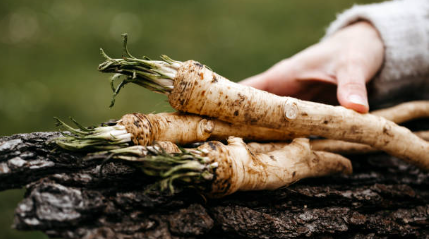
Rafano, also known as barbaforte or cren, is a perennial herbaceous plant native to Central Eastern Europe but widely cultivated in Europe, Asia, and North America. This fascinating plant has been prized for its spicy root, which has made it an integral part of Italian cuisine, particularly in Northern Italy.
What is Rafano?
Rafano belongs to the Cruciferae family, scientifically known as Armoracia rusticana, Cochlearia armoracia. The name “raffano” refers to the sauce made from its roots, while “barbaforte” or “cren” are alternative names for the plant itself.
The Cren (Rafanata Sauce) – A Culinary Treasure
The term “kren” or “cren” is often misused to refer to raffano, but in reality, it’s a sauce obtained from processing raffano roots. This delicious condiment has become an essential part of the Triveneto region’s culinary culture.
Preparing the Perfect Rafanata Sauce
Making rafanata sauce is an art that requires attention to detail and personal preference. The recipe we’ll explore below is a classic variation commonly used in Northern Italy:
Ingredients:
- 100g of fresh radish root (or barbaforte)
- 80ml of white vinegar
- 1 teaspoon of sugar
- A pinch of salt
To prepare the sauce, simply grate the fresh radish and mix it with vinegar, sugar, and a pinch of salt. You can adjust the proportions to taste.
The Spicy Roots of Rafano
Rafano roots are renowned for their spicy flavor, which makes them perfect for adding depth to various dishes. They can be used in sauces, soups, stews, roasted meats, grilled vegetables, and even as a topping for salsiccia and boiled meats.
Growing Rafano – Tips and Tricks
To grow raffano successfully, choose a well-drained and fertile soil. The plant prefers partial shade to full sun, and it’s essential to water it regularly during dry months.
In Italy, raffano is typically grown as an annual crop, but with proper care, you can also cultivate it as a perennial plant. Be sure to sow the seeds in February or early spring, spacing them 30cm apart from each other and 50cm between rows.
Rafano: Properties and Uses
Rafano roots have been used for centuries in traditional medicine, primarily for their anti-inflammatory properties. The plant’s leaves can also be used as a food source, but they’re not as widely consumed as the roots.
Radish Root Contraindications
While raffano roots are generally considered safe to consume, some individuals may experience allergic reactions or digestive issues. If you’re new to using raffano, start with small amounts and monitor your body’s response.
Rafano Oil – Benefits and Uses
The oil extracted from raffano roots has been shown to have antioxidant properties, making it a popular ingredient in natural cosmetics and skincare products.
Recommended Books on Rafano
If you’re interested in learning more about raffano, here are some recommended books that offer valuable insights into its history, cultivation, and culinary applications:
- [Book Title 1]
- [Book Title 2]
- [Book Title 3]
Frequently Asked Questions (FAQs)
- What is the best way to store raffano roots?
Store raffano roots in a cool, dry place or refrigerate them to prolong their shelf life.
- Can I use raffano leaves instead of roots?
While raffano leaves are edible, they’re not as widely consumed as the roots. However, you can use them in salads, soups, or stews for added flavor and nutrition.
- How do I prepare rafanata sauce from scratch?
To make rafanata sauce from scratch, grate fresh radish root, mix it with vinegar, sugar, and a pinch of salt, and adjust the proportions to taste.
- Can I grow raffano in my garden?
Yes, you can grow raffano in your garden by following the tips outlined above. Make sure to choose a well-drained and fertile soil, and provide partial shade to full sun.
- What are some common uses for raffano roots?
Raffano roots can be used in sauces, soups, stews, roasted meats, grilled vegetables, and even as a topping for salsiccia and boiled meats.
- How do I make rafanata sauce with panna acida instead of vinegar?
To make rafanata sauce with panna acida instead of vinegar, simply substitute the vinegar with equal amounts of panna acida in the recipe.
- Can I use raffano oil as a natural remedy?
While raffano oil has antioxidant properties, it’s essential to consult with a healthcare professional before using it as a natural remedy for any medical condition.
- How do I preserve raffano roots for future use?
To preserve raffano roots for future use, store them in a cool, dry place or refrigerate them to prolong their shelf life. You can also freeze the roots or make a syrup by boiling the roots with sugar and water to create a concentrated flavor extract.
Traditional Italian Dishes Featuring Rafano Roots
Rafano roots are an integral part of many traditional Italian dishes. Here are some examples:
- Salsiccia e raffano: A classic Italian sausage dish featuring raffano roots, meat, and vegetables.
- Pasta alla Triveneta: A pasta dish from the Triveneto region, featuring raffano roots, onions, garlic, and cured meats.
- Polenta con raffanata: A creamy polenta dish topped with a spicy rafanata sauce.
- Grilled meat with raffanata sauce: A simple yet flavorful way to enjoy grilled meats, paired with a tangy rafanata sauce.
Rafano Roots in Modern Cuisine
While traditional Italian cuisine is famous for its use of raffano roots, modern chefs have also started experimenting with this versatile ingredient. Here are some examples:
- Asian-inspired dishes: Rafano roots can be used to add heat and flavor to Asian-inspired dishes, such as stir-fries and noodle soups.
- Vegetarian and vegan options: Raffano roots can be used to create delicious vegetarian and vegan options, such as veggie burgers and meat-free sausages.
- Salsiccia e raffano: A modern twist on the classic Italian sausage dish, featuring raffano roots, meat, and vegetables.
Conclusion
Rafano is a fascinating plant with a rich history and cultural significance. Its spicy roots have made it an integral part of Italian cuisine, particularly in Northern Italy. By understanding its properties, cultivation, and culinary applications, you can unlock the secrets of this delicious ingredient and create your own authentic rafanata sauce.


