
Unlocking the Potential of Biometane from Biogas: A Sustainable Solution for Energy Needs
Introduction
As the world shifts towards cleaner energy sources, innovative technologies are emerging to address the growing demand for sustainable solutions. One such technology is biometane from biogas, a process that converts organic waste into a renewable energy vector. In this article, we will delve into the world of biometane from biogas, exploring its benefits, challenges, and potential impact on Italy’s energy landscape.
What is Biometane from Biogas?
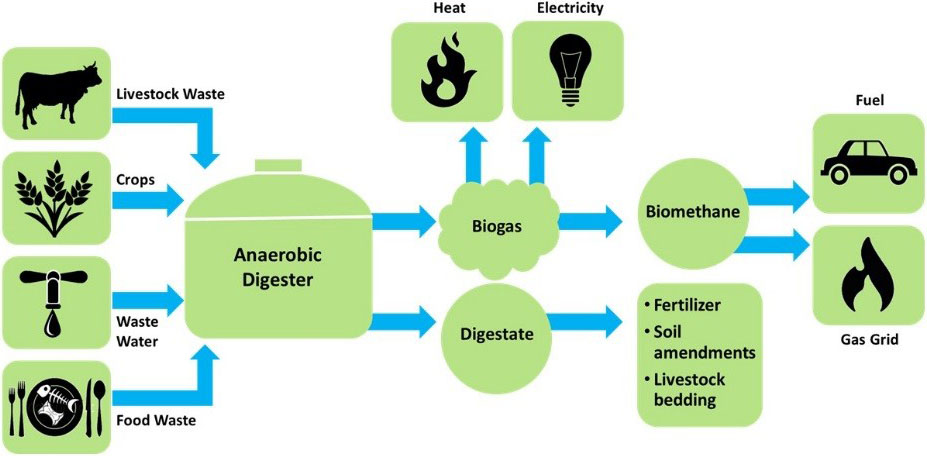
Biometane is a type of biofuel produced by upgrading biogas, which is typically composed of methane and carbon dioxide. The Smart Upgrading technology, developed by Cem Ambiente and the University of Milan-Bicocca, has made it possible to produce biometane with minimal energy requirements and at a lower cost compared to existing competitors.
The Role of Organic Waste in Biometane Production
At an innovative facility in Cavenago Brianza, Italy, organic waste from Cem Ambiente’s former landfill is used to produce biometane. This approach not only reduces greenhouse gas emissions but also meets the EU law requiring biometane production. By utilizing this existing network, biometane can be injected into gas pipelines with equal efficiency.
Advantages of Biometane from Biogas
The Smart Upgrading technology offers several advantages over existing competitors:
- Low-cost biodegradable substance: The process uses a biodegradable substance with low cost, reducing operational expenses.
- Low-energy requirement: Biometane production requires minimal energy input, making it an attractive option for sustainable energy solutions.
Sustainability and Environmental Benefits
Producing biometane from biogas using Smart Upgrading has several environmental benefits:
- Low biometane losses: The technology ensures minimal biometane losses, minimizing waste and reducing the carbon footprint.
- Eco-compatible solvents: The solvents used in the process are completely eco-friendly, ensuring environmental compliance and health safety.
EU Compliance and Potential Impact
The facility in Cavenago Brianza aligns with EU policies promoting biocarburants through improved technology implementation and optimization. If successful, this project could cover over 20% of Italy’s energy needs using biometane produced from organic waste, resulting in significant savings for the state and country.
What is Biogas?
Biogas is a renewable energy vector with methane content up to 65%. However, its current CO2 content hinders its widespread adoption in the natural gas market or as a vehicle fuel. Advances in technology have made it economically viable to produce biometane from biogas using the “upgrading” process.
Benefits of Upgrading Biogas
Upgrading biogas involves removing CO2 to produce methane, resulting in biometane production with minimal energy requirements and at a lower cost. This approach also allows for the use of existing infrastructure, reducing costs associated with new investment.
Challenges and Future Directions
Despite its advantages, biometane from biogas faces several challenges, including high upfront costs, limited scalability, and regulatory frameworks that need to be adapted. To overcome these challenges, further research and development are necessary to improve the efficiency and cost-effectiveness of the Smart Upgrading technology.
Conclusion
Biometane from biogas is an innovative solution for sustainable energy needs, offering several advantages over existing competitors. The Smart Upgrading technology has made it possible to produce biometane with minimal energy requirements and at a lower cost, making it an attractive option for countries looking to reduce their carbon footprint.
Frequently Asked Questions
- What is biometane from biogas?: Biometane from biogas is a type of biofuel produced by upgrading biogas into renewable energy vector.
- How does the Smart Upgrading technology work?: The Smart Upgrading technology involves removing CO2 to produce methane, resulting in biometane production with minimal energy requirements and at a lower cost.
- What is the potential impact of biometane from biogas on Italy’s energy landscape?: If successful, this project could cover over 20% of Italy’s energy needs using biometane produced from organic waste, resulting in significant savings for the state and country.
- Is biometane from biogas a sustainable solution for energy needs?: Yes, producing biometane from biogas using Smart Upgrading has several environmental benefits, including low biometane losses and eco-compatible solvents.
- What is the current CO2 content of biogas?: The current CO2 content of biogas hinders its widespread adoption in the natural gas market or as a vehicle fuel.
- How does the Smart Upgrading method produce an energy vector similar to natural gas?: The Smart Upgrading method produces an energy vector similar to natural gas that can be used and injected into existing gas networks with equal efficiency.
- What is biogas?: Biogas is a renewable energy vector with methane content up to 65%.
- Is the Smart Upgrading technology patented?: No, the Smart Upgrading technology is not patented; it is an open-source technology developed by Cem Ambiente and the University of Milan-Bicocca.
- What is the future outlook for biometane from biogas?: The future outlook for biometane from biogas is promising, with potential applications in transportation, power generation, and industrial processes.


