
What are Figs of India?
Figs of India, also known as Opuntia ficus-indica, is a type of cactus native to Mexico and South America. Its unique shape and vibrant yellow-orange fruit have made it a fascinating subject for many cultures around the world.
The Figs of India plant has been a part of human history for thousands of years, with its origins dating back to ancient civilizations in South America and the Aztecs. The plant was highly valued for its medicinal properties, as well as its symbolic significance. Its introduction to Europe in 1493 marked the beginning of a long and fascinating history that continues to unfold today.
A Fruit Worthy of Its Name
Imagine a fruit that’s both fun to say and eat, with a delightfully quirky name that’s become part of our culinary lexicon. Sounds appealing? You’re in luck! The Figs of India is just that – a delightful and nutritious addition to your summer diet.
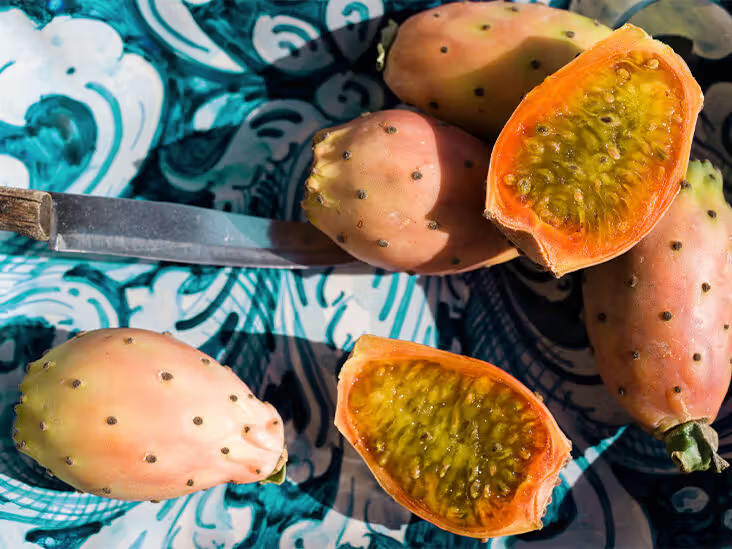
The Figs of India fruit is unmistakable – with its vibrant yellow-orange color and rounded, slightly elongated shape. But beware: these fruits are adorned with spines that can be quite prickly to remove. Don’t let that deter you, though! Once past the spines, you’ll discover a juicy pulp rich in water, sugars, vitamins, and minerals.
The Plant: A Thick-Stemmed Friend
You’ll often find the Figs of India plant in Calabria and Sicily, where its thick stem has become an iconic landscape feature. This succulent plant produces fruits in the summer season, making it a popular choice for gardeners and foragers alike.
In addition to its edible fruit, the Figs of India plant also offers several benefits for gardeners. Its thick stem can be used as a natural trellis for climbing plants, while its low-maintenance requirements make it an ideal choice for areas with limited water availability.
Unpacking the Fruit’s Unique Characteristics
The Figs of India fruit is a true marvel of nature – with its unique shape and vibrant color making it a standout in any fruit stand. But beyond its aesthetic appeal, this fruit is packed with nutrients that can help support overall health and well-being.
Rich in vitamins C and K, as well as minerals like potassium and magnesium, Figs of India are an excellent choice for those looking to boost their fiber intake. This fruit is also beneficial for weight management, as it can help you feel full and reduce the amount of fats and sugars absorbed by your body.
A Fruit Packed with Nutrients
One of the most impressive aspects of Figs of India is its nutrient profile. This fruit is an excellent source of dietary fiber, containing both soluble and insoluble fiber that can help support healthy digestion and bowel function.
Figs of India are also rich in antioxidants, which can help protect against oxidative stress and inflammation in the body. These free radicals-fighting compounds can help slow down cell aging and promote overall well-being.
The Antioxidant Powerhouse
Antioxidants play a crucial role in maintaining optimal health – by neutralizing free radicals and preventing damage to cells and tissues. Figs of India are an excellent source of antioxidants, with high levels of vitamin C and beta-carotene found in their juicy pulp.
These compounds can help protect against chronic diseases like cancer, heart disease, and neurodegenerative disorders, making Figs of India a valuable addition to any health-conscious diet.
A Word on Calorie Count
With only 55 calories absorbed per 100 grams, the Figs of India is an excellent choice for those looking to manage their weight. Just be sure to consume them in moderation, as those with diverticulitis may need to avoid seeds that can get stuck in their intestines.
Beyond the Fruit: Exploring Recipes and Uses
But Figs of India’s potential extends far beyond its juicy pulp. The leaves are also rich in nutrients and can be used in a variety of dishes, from jams and syrups to risottos and fritters. Get creative and discover new ways to incorporate this versatile fruit into your culinary repertoire.
Some popular uses for Figs of India include:
- Eating them fresh as a snack or adding them to salads
- Using the leaves to make jams, syrups, and other sweet treats
- Incorporating the seeds into baked goods, smoothies, and other recipes
- Making fig leather by cooking down the fruit with sugar and pectin
A Brief History
Figs of India have been prized for centuries by ancient populations in South America and the Aztecs, who not only valued its properties but also considered it a sacred plant with symbolic significance. Its European introduction around 1493 marked the beginning of a long and fascinating history that continues to unfold today.
From its initial cultivation in the Mediterranean region to its modern-day applications, Figs of India have come a long way. Whether used as a food source, medicinal remedy, or spiritual symbol, this incredible plant has captured the hearts and imaginations of people around the world.
Conclusion: Unlocking the Secrets of Figs of India
As we conclude our journey into the world of Figs of India, we hope you’ve discovered just how much this humble fruit has to offer. From its unique shape and vibrant color to its rich nutritional profile and versatility in cooking, there’s no denying that Figs of India is a true gem worth exploring further.
Whether you’re looking for a healthy snack, a creative ingredient, or a symbol of spiritual significance, Figs of India are sure to captivate and inspire. So next time you find yourself at your local farmers’ market or grocery store, be sure to look out for these incredible fruits – and get ready to unlock the secrets of this amazing plant!
Frequently Asked Questions
-
What are the health benefits of eating Figs of India?
Figs of India are rich in vitamins C and K, minerals like potassium and magnesium, and antioxidants, making them an excellent choice for supporting digestive health, weight management, and overall well-being. -
Can I grow Figs of India at home?
Yes! With its thick stem and low-maintenance requirements, the Figs of India plant is perfect for gardeners looking to add a unique touch to their outdoor space. -
How do I remove the spines from Figs of India fruits?
To safely remove the spines, use a pair of scissors or a sharp knife to carefully cut along both sides of the spine. Avoid using your bare hands or any other object that could cause injury. -
Can I eat the seeds from Figs of India?
While it’s technically possible, we recommend avoiding eating the seeds due to potential digestive issues and the risk of getting them stuck in the intestines for those with diverticulitis. -
How do I store Figs of India fruits?
Store Figs of India fruits in a cool, dry place or refrigerate them to prolong shelf life. Be sure to check on their condition regularly, as they can become overripe and spoil quickly. -
Can I use Figs of India leaves in cooking?
Absolutely! The leaves are rich in nutrients and can be used in a variety of dishes, from jams and syrups to risottos and fritters. Be sure to cook them thoroughly before consumption. -
How do I know if my Figs of India plant is healthy?
A healthy Figs of India plant will have vibrant green leaves, a sturdy stem, and produce fruits regularly. Monitor your plant’s condition regularly and address any issues promptly. -
Can I share Figs of India with friends and family who don’t like them?
While it’s difficult to convert someone into a fan of Figs of India, you can certainly offer them as a unique gift or addition to a shared meal. Who knows – they might just surprise you!


