
In the world of holistic wellness, few practices have garnered as much attention as shiatsu massage. This ancient technique has been practiced for centuries, originating in traditional Chinese medicine and evolving into a distinct form of massage therapy. As we delve into the history, benefits, and what to expect from a shiatsu massage session, you’ll discover why this art form continues to captivate those seeking natural relaxation and wellness.
What is Shiatsu Massage?
Shiatsu massage, also known as “pressure of the fingers,” is a Japanese technique that involves applying pressure with the fingers, palms, and feet to stimulate blood flow, relax muscles, and balance the body’s energy. Unlike other forms of massage, shiatsu does not involve the use of machines or equipment.
At its core, shiatsu massage is rooted in the concept of qi (life energy), which flows through the body along specific pathways known as meridians. By applying gentle yet firm pressure to these meridian points, a qualified practitioner can help restore balance to the body’s energy, promoting overall well-being.
A Brief History of Shiatsu Massage
The origins of shiatsu massage are shrouded in mystery, with various theories and legends surrounding its development. One widely accepted account suggests that shiatsu emerged from the Japanese tradition of tui na, a technique used by blind practitioners who relied on their sense of touch to heal others.
Over time, shiatsu evolved into distinct schools and styles, each with its unique approach to diagnosis and treatment. The modern form of shiatsu massage we know today is characterized by its holistic approach, incorporating elements from traditional Chinese medicine, Japanese philosophy, and Western psychology.
How Does Shiatsu Massage Work?
The mechanisms behind shiatsu massage are multifaceted, involving a combination of physical pressure, emotional connection, and subtle energy work. When applied correctly, the gentle yet firm pressure can:
- Stimulate blood flow: By applying pressure to specific meridian points, shiatsu massage helps increase blood circulation, which in turn promotes healing, relaxation, and overall well-being.
- Relax muscles: Shiatsu techniques often involve gentle stretching, rolling, or pressing of the muscles, allowing for a release of tension and stress.
- Balance the body’s energy: By applying pressure to specific points along the meridians, shiatsu massage aims to restore balance to the body’s energy, promoting harmony and well-being.
What Can You Expect from a Shiatsu Massage Session?
A typical session can be performed in various positions, including lying down on a mat, sitting, or even standing. Depending on your comfort level and the practitioner’s approach, you may be asked to move frequently to target specific areas and alleviate symptoms. The good news is that you don’t need to undress for this type of massage.
Is Shiatsu Massage Painful?
The answer depends on individual circumstances. If you’re feeling anxious or unsure about the experience, be sure to communicate with your practitioner, who can adjust their technique to make it more comfortable. Many people find shiatsu massage to be relaxing and therapeutic, but some may experience temporary discomfort or soreness.
How Long Does a Shiatsu Massage Session Last?
The duration and cost are usually agreed upon prior to the session. Typically, a full session lasts between 40-60 minutes, although some practitioners may offer shorter or longer sessions depending on your needs.
Benefits of Shiatsu Massage
While there is no concrete scientific evidence supporting shiatsu massage as a treatment for specific medical conditions, it has been recognized by the Japanese Ministry of Health, Labour and Welfare. In 2015, an Australian Department of Health study investigated various alternative therapies, including shiatsu massage, which showed limited benefits.
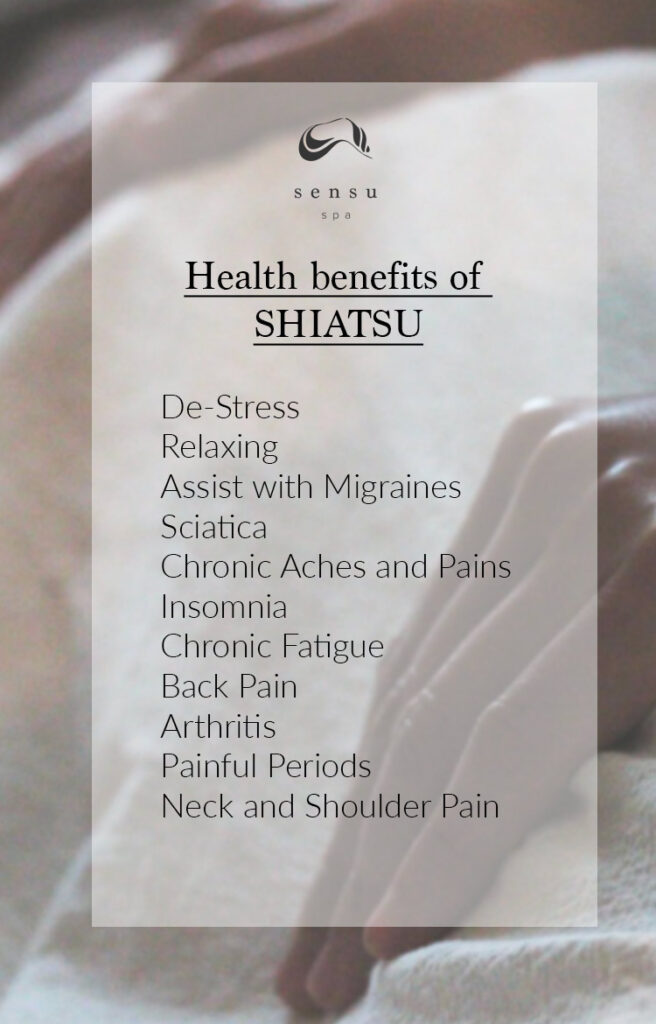
However, research suggests that shiatsu massage can be beneficial in alleviating symptoms associated with:
- Stress and anxiety
- Musculoskeletal issues
- Digestive problems
- Insomnia
- Migraines
Counterindications and Precautions
While shiatsu massage is generally safe when practiced by experienced professionals, there are certain situations where it’s contraindicated. These include recent fractures, post-operative recovery, severe herniated discs, breathing difficulties, or liver problems.
It’s also important to note that shiatsu massage may not be suitable for everyone, particularly those with pacemakers, artificial joints, or other medical implants. Always consult with your healthcare provider before receiving any new treatments.
Where to Find a Qualified Shiatsu Practitioner?
In Italy, numerous centers and private practitioners offer shiatsu massage sessions. To ensure you’re working with an accredited professional, consult the Italian Shiatsu Federation’s register of certified practitioners.
If you’re interested in learning more about alternative therapies or exploring other modalities like acupuncture, be sure to check out our related articles.
Frequently Asked Questions
- Is shiatsu massage suitable for everyone?
Shiatsu massage can be adapted to accommodate various needs and preferences; however, certain individuals may require modifications due to health conditions. - Can I get a shiatsu massage if I’m pregnant or breastfeeding?
While some practitioners offer prenatal massages, it’s always best to consult with your healthcare provider before receiving any new treatments during pregnancy or while nursing. - How often should I receive shiatsu massages?
The frequency of sessions depends on individual needs and goals; typically, a balanced program may involve regular appointments (every 2-4 weeks). - Are there any side effects or long-term effects associated with shiatsu massage?
Generally, shiatsu massage is considered safe when practiced by experienced professionals; however, some people might experience temporary soreness, fatigue, or emotional shifts. - Can I practice shiatsu techniques on myself?
While it’s possible to learn basic techniques through training and practice, working with a qualified practitioner ensures proper technique and personalized attention.
In conclusion, shiatsu massage is an ancient art form that has evolved over centuries into the modern practice we know today. With its holistic approach, emphasis on energy balance, and gentle yet firm pressure, shiatsu massage offers numerous benefits for relaxation, stress relief, and overall well-being.
While it’s not a replacement for conventional medical treatment, shiatsu massage can be a valuable complement to your healthcare routine, providing a natural and non-invasive way to promote healing and balance.


