
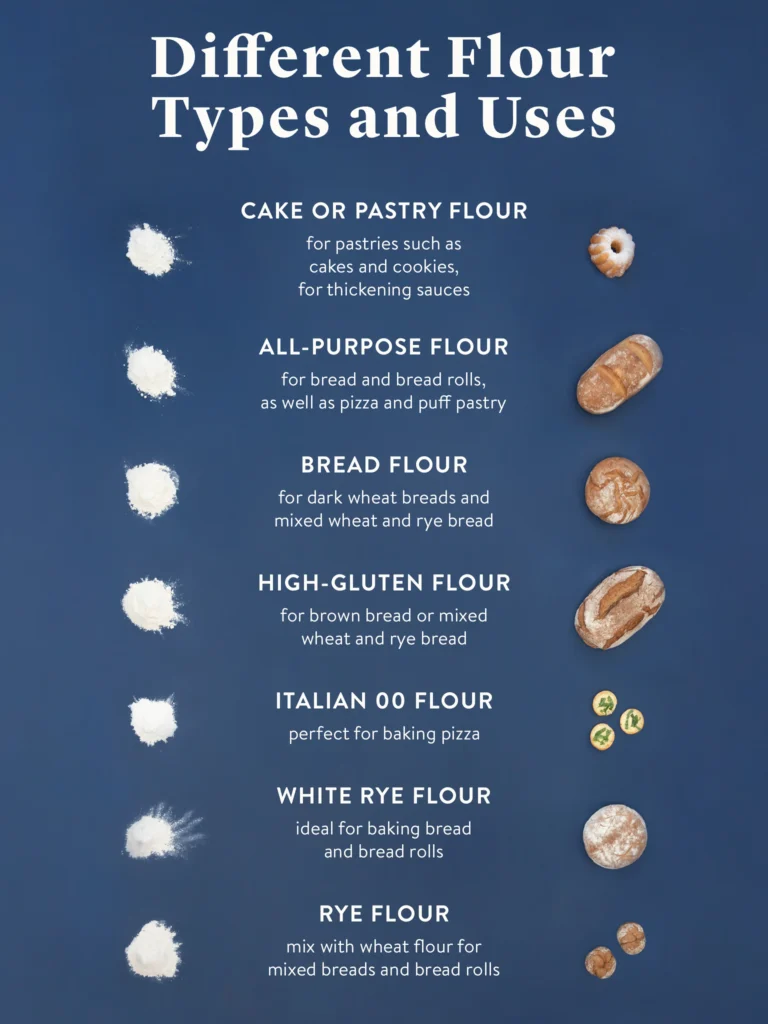
As a baker, you’re likely familiar with the different types of flours available in the market. Among them, Manitoba flour stands out for its unique characteristics and uses. In this article, we’ll delve into the world of Manitoba flour, exploring its properties, uses, and differences from white flour.
What is Manitoba Flour?
Manitoba flour gets its name from the Canadian province of Manitoba, where it’s produced. This type of flour is made from a hard wheat variety that’s native to North America. The grano tenero used to produce Manitoba flour is distinct from other grains and has a higher protein content.
The Strength of Manitoba Flour
What sets Manitoba flour apart is its high W value, which indicates its strength. A higher W value means the flour is more elastic and can withstand longer kneading times. In contrast, white flour typically has a lower W value and can only handle shorter kneading times.
Uses for Manitoba Flour
Manitoba flour is ideal for recipes that require long proofing times or high elasticity in the dough. This includes breads like panettone, pandoro, and croissants. It’s also used to make pizza crusts with a longer fermentation time.
Some of the key benefits of using Manitoba flour include:
- A more elastic and strong dough
- Ability to withstand longer proofing times
- Better texture and structure in baked goods
Origins of Manitoba Flour
Manitoba flour is made from a hard wheat variety, which gives it a distinct profile compared to other grains. The species triticum aestivum is the same as that used to make white flour, but the type of grain used for Manitoba flour has a higher protein content.
Despite its American origins, Manitoba flour is often referred to as “Canadian” or simply “Manitoba.” This refers to the fact that it’s produced in North America and meets specific quality standards.
Differences Between Manitoba Flour and White Flour
The main difference between Manitoba flour and white flour lies in their protein content. Manitoba flour has a higher protein content, which makes it stronger and more elastic. In contrast, white flour typically contains less protein and can only handle shorter kneading times.
Here are some key differences:
- Protein content: Manitoba flour has a higher protein content than white flour
- Elasticity: Manitoba flour is more elastic and can withstand longer proofing times
- Texture: Manitoba flour produces baked goods with a better texture and structure
How to Choose the Right Manitoba Flour
When selecting a Manitoba flour, look for products that meet specific quality standards. Some factors to consider include:
- W value: A higher W value indicates greater strength and elasticity
- Protein content: Look for flours with high protein content for best results
- Origin: Manitoba flour is typically produced in North America
Where to Buy Manitoba Flour
Manitoba flour can be found online or in specialty stores. Some popular brands include Bongiovanni Farine e Bontà Naturali, which offers a range of flours made from high-quality grains.
Some key features of Manitoba flour:
- Made from hard wheat varieties
- Higher protein content than white flour
- Ideal for recipes that require long proofing times or high elasticity
Conclusion
Manitoba flour is an excellent choice for bakers looking to create delicious and complex breads. Its unique characteristics, including higher protein content and greater elasticity, make it ideal for recipes that require longer proofing times.
If you’re new to Manitoba flour, consider starting with small batches to experiment with different recipes and techniques. With practice, you’ll be able to harness the full potential of this versatile ingredient.
FAQs
Here are some frequently asked questions about Manitoba flour:
- What is Manitoba flour made from?
Manitoba flour is made from a hard wheat variety that’s native to North America. - What is the difference between Manitoba flour and white flour?
The main difference lies in their protein content, with Manitoba flour having a higher protein content than white flour. - Is Manitoba flour only used for bread-making?
No, Manitoba flour can be used for a variety of baked goods, including pizza crusts, pastries, and more. - Can I use Manitoba flour to make pasta?
Yes, Manitoba flour is often used to make high-quality pasta due to its ability to retain moisture and produce a tender texture. - Is Manitoba flour suitable for gluten-free baking?
No, Manitoba flour contains gluten and should not be used in gluten-free recipes.
By understanding the properties and uses of Manitoba flour, you can unlock new possibilities in your baking repertoire. Whether you’re looking to create artisanal breads or experiment with new pasta recipes, Manitoba flour is an excellent choice.


