
Introduction
Among the most popular domesticated parrots, the monk parakeet stands out for its unique characteristics and adaptability to human environments. However, its popularity has also had a significant impact on various ecosystems around the world. Native to South America, this species is now considered an invasive species in many European countries, including Italy. In coastal towns like Molfetta (Bari), large colonies of these birds can be found, showcasing their remarkable adaptability to our habitat.
Scientific Name and Common Names
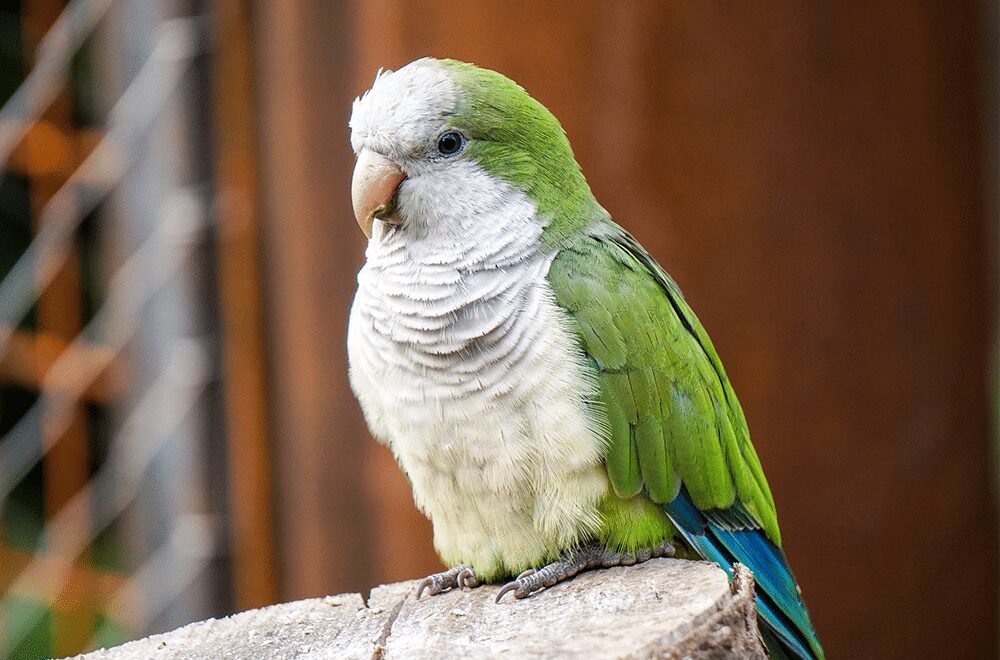
The monk parakeet’s scientific name is Myiopsitta monachus, also known as the Quaker Parrot. Its distinctive appearance features a bright green body, with a grayish-pale forehead and throat, and a yellowish-bellied underside. The wings are blue, and the tail is long and slender.
Physical Characteristics
The monk parakeet measures approximately 29 cm in length, with an average weight of 110-120 grams. Females tend to be smaller than males. While these birds can exhibit various colors due to selective breeding, their natural plumage is primarily green. Monk parakeets are known for their bright and vibrant coloration, which serves as a primary means of communication and identification.
Razza Domestica and Breeding
Selective breeding has led to the creation of various domesticated monk parakeet breeds, including blue, yellow, and white varieties. These birds are often bred for their vibrant colors, but this process can compromise other genetic traits that contribute to their longevity. In addition to their physical characteristics, breeding programs also focus on improving the bird’s temperament, behavior, and socialization.
Sottospecie
The monk parakeet has several subspecies, each with unique adaptations to its native environment. In Argentina, the Myiopsitta monachus monachus subspecies is larger and more robust than the typical monk parakeet. The Myiopsitta monachus calita subspecies found in Bolivia features a smaller body size but brighter blue wings. The Myiopsitta monachus cotorra subspecies, native to Brazil and Paraguay, exhibits a similar appearance to the calita subspecies but with a less vibrant yellow plumage.
Behavior and Social Structure
In its natural habitat, the monk parakeet is a gregarious bird that often forms large colonies. These colonies can be massive, with multiple nesting sites and entrances, attracting other birds, including small predators and mammals. In captivity, these birds are often kept alone or in pairs, but they thrive when introduced to a community of other parrots. Monk parakeets are known for their intelligence, curiosity, and playfulness, making them popular pets among experienced bird owners.
Parlance
Monk parakeets are known for their remarkable ability to mimic human speech and learn complex phrases. With patience and training, these birds can develop impressive vocabularies and even exhibit emotional intelligence. In captivity, they have been observed learning and mimicking a wide range of sounds, from simple words to musical melodies.
Life Expectancy
In the wild, monk parakeets can live up to 25-30 years. However, in captivity, their lifespan is significantly shorter, typically ranging from 15-20 years. Factors such as diet, environment, and health conditions can all impact an individual bird’s lifespan.
Diet
A balanced diet that includes fruits, vegetables, seeds, nuts, and commercial parakeet food should be provided for a monk parakeet. Fresh water should always be available, and it is recommended to provide a variety of foods to ensure a nutrient-rich diet. Fruits such as apples, pears, peaches, strawberries, pineapple, kiwi, mangoes, papaya, melons, oranges, grapefruit, and grapes are staples in the monk parakeet’s diet. Leafy greens like lettuce, spinach, kale, broccoli, cauliflower, carrots, peas, corn, squash, zucchini, green beans, cucumber, celery, and tomatoes can also be part of their diet.
Alimentation Supplements
Commercialized parakeet food is available for breeding and keeping monk parakeets in captivity. These products are designed to mimic the natural diet of these birds and provide essential nutrients. However, it is always recommended to consult with a veterinarian or experienced bird breeder before adding any supplements to a bird’s diet.
Price and Availability
The price of a monk parakeet varies greatly depending on its color, size, and breeder reputation. Prices can range from as low as €50 to over €190. It is essential to research reputable breeders and ensure that the bird comes with a health guarantee and proper documentation.
Conclusion
With their unique characteristics and impressive abilities, the monk parakeet is a fascinating bird species that continues to captivate many enthusiasts. However, it’s crucial to remember the potential impact of introducing this species to new ecosystems and ensure responsible management and care when keeping these birds in captivity. Additionally, it is essential to promote conservation efforts and support initiatives that protect the natural habitats of monk parakeets and other endangered bird species.
Conservation Status
The monk parakeet is listed as Least Concern on the International Union for Conservation of Nature (IUCN) Red List. However, its population is declining in some areas due to habitat loss, hunting, and introduced diseases. Efforts to conserve and protect this species are essential to ensure its survival in the wild.
Threats and Challenges
Monk parakeets face various threats and challenges in their natural habitats, including:
- Habitat destruction and fragmentation
- Introduced predators such as rats, cats, and dogs
- Hunting for food and feathers
- Disease transmission from domesticated birds
- Climate change affecting food availability and distribution
Conclusion: Monk Parakeet Care and Conservation
In conclusion, the monk parakeet is a remarkable bird species that requires specialized care and attention. While they can make wonderful pets, it’s essential to consider the potential impact of introducing this species to new ecosystems. Responsible management and conservation efforts are crucial to protect the natural habitats of monk parakeets and other endangered bird species. By promoting education, awareness, and conservation initiatives, we can work towards a future where these incredible birds thrive in their natural environments.
Appendix
- Additional Resources
- International Union for Conservation of Nature (IUCN) Red List
- BirdLife International
- Audubon Society
- Conservation Organizations
- World Wildlife Fund (WWF)
- The RSPCA
- The Humane Society
- Bird-Keeping Communities and Forums
By providing a comprehensive understanding of the monk parakeet’s characteristics, behavior, and care, we can work towards promoting responsible management and conservation efforts to protect this incredible bird species.


