
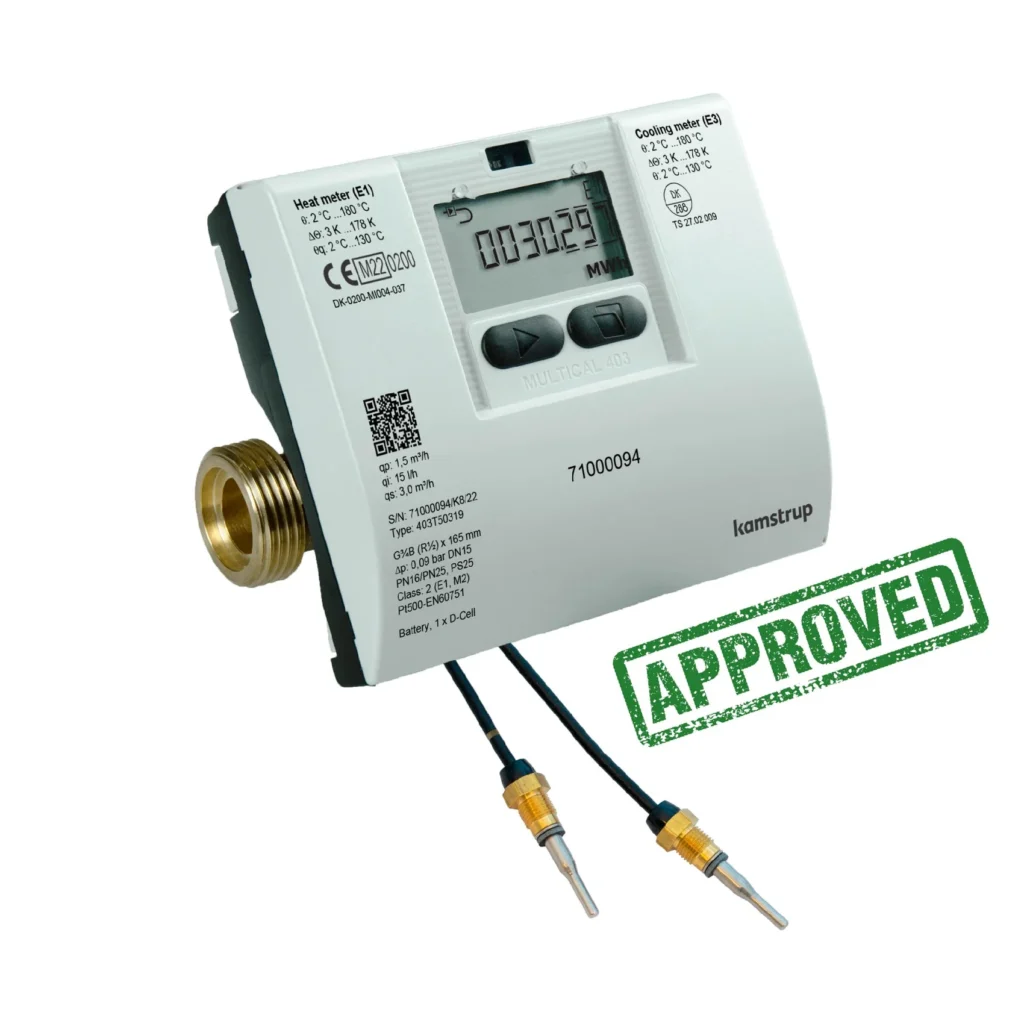
As a condominium resident or owner, it’s essential to understand the mandatory calorimeter installations required by law. In this article, we’ll delve into the world of thermal control systems, heat meters, and expense allocation, exploring the benefits, costs, and regulations surrounding these measures.
Calorimeter Installation Obligation: A Decree Law Requirement
The decree law 102/2014 published on the Official Gazette sets the mandatory reference legislation for installing calorimeters in condominiums. This legislation requires centralized heating systems to be equipped with individual heat meters (or calorimeters) to ensure efficient allocation of expenses related to heating.
Why Install Calorimeters?
Installing calorimeters is crucial for condominiums to allocate spending efficiently and reduce energy losses associated with boilers. Each tenant will pay only for the heat they have actually consumed, promoting a more accurate and fair allocation of expenses. This system also helps reduce energy waste and promotes better consumption habits among residents.
Who is Responsible for Calorimeter Installation?
The installation obligation applies to buildings served by centralized heating systems. Condominiums with autonomous heating systems do not need to perform any additional work. The condominium association, in collaboration with a professional responsible, will appoint the company to install valves thermostatic devices and perform additional work.
How Heat Meters Work and What They Serve
Thermal control systems register actual consumption by monitoring temperature and measuring energy invested in heating different rooms. This energy is quantified, allowing each unit of housing to pay only for the heat used by its own heating system. The boiler remains centralized, but tenants can choose when to turn on and off the heating system, as long as they stay within the limits set by law (20°C average).
Expense Allocation with a Fixed Quota
Condominiums typically divide total expenses related to heat consumption in proportion to 30% as a fixed quota paid through unitary shares, while the remaining 70% is allocated according to actual heating consumption of each dwelling. If the building is not well-insulated and experiences significant heat losses, the condominium association can propose modifications to the expense allocation percentage.
Penalties and Checks: Compliance is Key
Only one out of two buildings has complied with calorimeter installation requirements, leaving room for improvement. Condominium owners and residents who have not been compliant may face fines ranging from €500 to €2,500. The fine will also fall on both the condominium and the individual owner non-compliant.
Remote Reading and Extension of Installation Obligation
As of 2020, all new heat meters installed must be controlled remotely. By 2027, existing heat meters will also need to be modified and equipped with a remote reading system. This is in line with the European Directive 2018/2002 dated December 11, 2018.
Costs and Estimates
The cost of installing calorimeters can vary depending on the number of dwellings in the condominium. Estimated costs range from €7,000 to €12,000 for installations involving 20-100 units. Additional interventions, such as installation of an electric pump or defang and dechlorinating device, may also be included.
Benefits of Calorimeter Installations
Despite initial costs, calorimeter installations offer several long-term benefits, including:
- Improved expense allocation
- Reduced energy losses associated with boilers
- Promoted better consumption habits among residents
- Increased transparency in heating expenses
- Better management of building energy consumption
Conclusion: Take Action Today
In conclusion, mandatory calorimeter installations in condominiums are crucial for efficient allocation of expenses and reduced energy waste. Condominium owners and residents must understand the regulations, costs, and benefits surrounding these measures to ensure compliance. By taking action today, you can enjoy a more accurate, fair, and sustainable heating system for your home.
Frequently Asked Questions (FAQs)
- What is the cost of installing heat meters?
The estimated cost of installing calorimeters ranges from €7,000 to €12,000 for installations involving 20-100 units. - How much does it cost to install a heat meter in my condominium?
Costs vary depending on the number of dwellings, but estimates range from €120 per condominium. - What are the penalties for non-compliance with calorimeter installation requirements?
Fines can range from €500 to €2,500, falling on both the condominium and the individual owner non-compliant. - Who is responsible for enforcing the legislation?
Regions have started organizing themselves with registers, while municipalities may delegate checks to smaller municipalities or metropolitan cities. - What is the benefit of remote reading systems?
Remote reading systems allow for more efficient monitoring and control of heat meter readings, reducing energy waste and promoting better consumption habits. - Can condominiums opt out of calorimeter installations?
No, condominiums must install thermal control systems and calorimeters to ensure compliance with mandatory legislation. - How long will it take to install a remote reading system in my condominium?
The installation of remote reading systems is expected to be completed by 2027 for existing heat meters. - Can I still use my current boiler if I don’t install a calorimeter?
No, using an old boiler without installing a calorimeter may result in fines and penalties.
Best Practices for Condominiums
To ensure compliance with mandatory legislation and maximize the benefits of calorimeter installations, condominium associations should follow these best practices:
- Appoint a professional responsible to oversee the installation process
- Conduct regular checks on heat meter readings and boiler operation
- Implement energy-saving measures in conjunction with the calorimeter system
- Communicate with residents about the importance of calorimeter installations and the benefits of remote reading systems
- Develop a plan for dealing with non-compliant units or individuals
Future Developments and Regulations
As regulations continue to evolve, condominium associations must stay informed about changes to legislation and technological advancements. Some potential future developments include:
- Increased focus on building insulation and energy efficiency
- Integration of smart home technologies with calorimeter systems
- Development of new remote reading systems with enhanced monitoring capabilities
By staying up-to-date on these developments and following best practices, condominium associations can ensure compliance with mandatory legislation and create a more sustainable and efficient heating system for their residents.
Conclusion
In conclusion, mandatory calorimeter installations in condominiums are crucial for efficient allocation of expenses and reduced energy waste. By understanding the regulations, costs, and benefits surrounding these measures, condominium owners and residents can enjoy a more accurate, fair, and sustainable heating system for their homes.


