
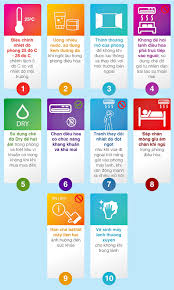
As we strive to maintain our well-being, it’s essential to know how to protect ourselves from the dangers of air conditioning during the summer months. From shopping malls to trains, offices, and airports, air conditioning can be a breeding ground for cold air that can cause discomfort and even health problems.
The Dangers of Air Conditioning
Air conditioning is not just an inconvenience; it can also have serious effects on our health, including headaches, sinusitis, joint pain, stomach issues, and other more severe conditions. Unfortunately, it’s often impossible to turn off the air conditioning or use it moderately, as we’ve seen during recent travels.
The Science Behind Air Conditioning-Related Illnesses
Air conditioning works by circulating cold air through a system of ducts and vents, which can lead to a range of health problems if not used properly. When warm air enters the ducts, it is cooled down by refrigerant, causing the water vapor in the air to condense into liquid droplets that are then blown back out as cool air. However, this process also causes moisture to accumulate on surfaces and in the air.
If we breathe in cold air, our body’s natural response is to try to warm it up through our respiratory system. This can lead to a range of health problems, including:
- Headaches: Cold air can cause blood vessels in the brain to constrict, leading to headaches.
- Sinusitis: The dry air from air conditioning can strip the mucous membranes in our sinuses of their natural moisture, leading to inflammation and infection.
- Joint Pain: The cold air can also cause our joints to become stiff and painful due to the lack of warmth and moisture.
- Stomach Issues: Cold air can affect digestion, leading to stomach issues such as nausea and vomiting.
Conserving Tips for Ditching Air Conditioning
To prepare ourselves for the heat, here are some practical tips on how to protect ourselves from air conditioning:
- Hydrate: Drink plenty of water throughout the day to prevent dehydration and dryness in our respiratory tracts.
- Use Air Conditioning with Caution: When using air conditioning at home, keep it set at a moderate temperature (around 22°C/72°F) and maintain good airflow. Regularly clean filters to prevent bacterial growth and potential health issues.
- Dress Strategically: Wear light clothing and layers that can be easily removed when entering cooler environments.
- Avoid Extreme Temperatures: Keep the temperature difference between indoor and outdoor temperatures below 5°C (9°F) to avoid unnecessary strain on our bodies.
The Risks of Ventilators
Ventilators, with their rotating blades, may also pose health risks, particularly those experiencing headaches or neck pain due to cold air blowing from above. Limiting the fan speed can prevent these issues while reducing energy consumption.
Who’s Most at Risk?
Certain groups are more susceptible to air conditioning-related illnesses, including:
- Older adults: Their respiratory system is less efficient and they may have a harder time adjusting to sudden changes in temperature.
- Young children: They are still developing their immune systems and may be more prone to infections.
- People with sinusitis and rhinitis: The dry air from air conditioning can exacerbate these conditions.
- Asthmatics and allergy sufferers: They are already dealing with respiratory issues and the cold air from air conditioning can make things worse.
The Stats
According to recent statistics, respiratory and gastrointestinal viral infections are on the rise during the summer months in Italy, with over 100,000 cases affecting respiratory tracts and 20-30,000 cases affecting the gut.
By understanding the risks associated with air conditioning and taking preventative measures, we can reduce our exposure to these harmful conditions and enjoy a healthier summer season.


