
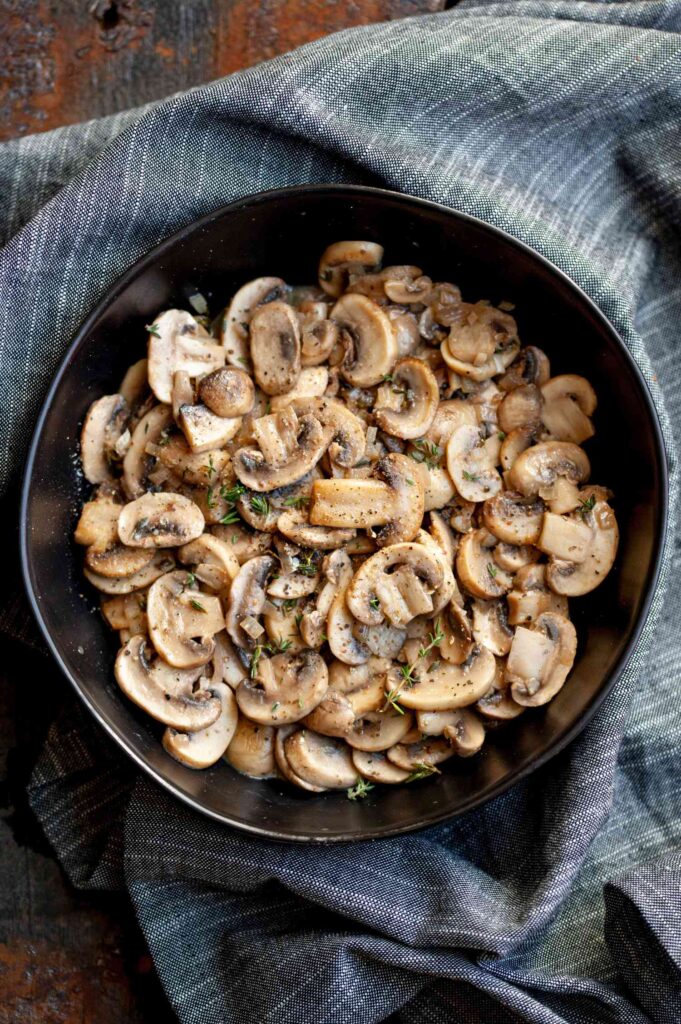
Mushroom oil jams are a classic Italian recipe that has gained popularity worldwide for their unique flavor and versatility. These delicious spreads can be used in various dishes, from sandwiches to pasta sauces. In this article, we’ll explore the process of making mushroom oil jams, discuss the importance of proper preservation, and provide tips for achieving success.
The History and Significance of Mushroom Oil Jams
Mushroom oil jams have been a staple in Italian cuisine for centuries, particularly in the regions of Tuscany and Umbria. The recipe originated as a way to preserve wild mushrooms, which were abundant in the surrounding forests. Over time, mushroom oil jams evolved into a versatile condiment that can be used in various dishes, from savory sauces to sweet desserts.
One of the reasons mushroom oil jams are so popular is their unique flavor profile. The combination of earthy mushrooms, tangy vinegar, and rich olive oil creates a deliciously complex taste experience that complements a wide range of ingredients. Mushroom oil jams are also relatively easy to make at home, making them an accessible option for food enthusiasts.
What You Need
Before we dive into the recipe, let’s identify the essential ingredients:
- 1 kg of fresh wild mushrooms
- 700 ml of white vinegar
- 500 ml of extra virgin olive oil
- 4 dried bay leaves
- 1/2 teaspoon of black pepper
- Optional: timo (thyme) or chiodi di garofano (garlic cloves)
Preparing the Mushrooms
The first step in making mushroom oil jams is to prepare the mushrooms. Choose fresh, solid specimens with a good aroma. If you’re unsure about the quality of your mushrooms, consult with a trusted vendor for guidance. Clean the mushrooms thoroughly and trim the stems if they have soil on them. For smaller mushrooms, leave them whole; for larger ones, slice them into thick pieces.
When selecting mushrooms, consider their texture, color, and flavor profile. Button mushrooms, for example, are often used in mushroom oil jams due to their mild flavor and firm texture. Other varieties like chanterelle or porcini can add a more intense flavor to your jam.
Cooking and Sterilizing
Once the mushrooms are prepared, cook them in a large pot with equal amounts of vinegar and water. Add salt, bay leaves, and black pepper to the mixture. Bring the liquid to a boil, then reduce the heat and let it simmer for 4 minutes. Remove the mushrooms from the liquid using a slotted spoon and transfer them to a clean towel or paper towels to drain excess moisture.
Cover the mushrooms with another layer of towels and let them air dry for 24 hours, stirring occasionally. This step is crucial for removing excess moisture and preventing spoilage. The drying process helps to concentrate the flavors and create a more intense jam.
Sterilizing Vessels
While the mushrooms are drying, prepare the glass jars by sterilizing them in boiling water for 20 minutes. Remove the jars from the water with a slotted spoon and let them cool completely on a clean towel.
Sterilizing vessels is an essential step in preserving mushroom oil jams. By removing any bacteria or contaminants, you ensure that your jam remains fresh and safe to eat. Always use new, sterile equipment and jars when making mushroom oil jams.
Assembling the Oil Jams
Once both the mushrooms and vessels are ready, assemble the oil jams by filling each jar about two-thirds full of the cooked mushrooms. Add a few sprigs of timo or chiodi di garofano, if desired. Pour the extra virgin olive oil over the mushrooms, closing the jars tightly.
Canning and Storage
To ensure proper preservation, store the filled jars in a deep saucepan with enough boiling water to cover them. Bring the water to a boil and let it simmer for 30 minutes. This step helps create a vacuum seal, preventing spoilage.
When storing mushroom oil jams, keep them away from direct sunlight, heat sources, and moisture. The ideal storage conditions are between 10°C to 15°C (50°F to 59°F) with a relative humidity of 70-80%. Always check the jars for any signs of spoilage before consuming.
Safety First: Risks of Botox
Before we conclude, it’s essential to address the risks associated with preserving food at home. Mushroom oil jams can be contaminated with botulinum spores if not handled properly. To minimize this risk, always sterilize equipment and jars thoroughly, and follow proper canning procedures.
To further reduce the risk of contamination, make sure to:
- Use fresh, high-quality ingredients
- Handle mushrooms gently to avoid bruising or damaging their caps
- Keep the working area clean and free from debris
- Follow proper canning procedures and guidelines
Tips for Achieving Success
Making mushroom oil jams requires attention to detail and patience. Here are some tips for achieving success:
- Use a variety of mushroom species to create a more complex flavor profile
- Experiment with different types of vinegar, such as apple cider or lemon juice, to add depth to your jam
- Add timo or chiodi di garofano to enhance the aroma and flavor of your jam
- Store your jars in a cool, dark place to preserve freshness
Conclusion
Making mushroom oil jams is a rewarding process that requires attention to detail and patience. By following the steps outlined in this guide, you’ll be able to create delicious, flavorful spreads that will elevate your cooking to new heights.
Whether you’re a seasoned food enthusiast or just starting out, mushroom oil jams are an excellent addition to any kitchen. With their unique flavor profile and versatility, these delicious spreads can add depth and complexity to a wide range of dishes.


