
Introduction
If you’re considering adding a new furry friend to your family, you might want to look no further than the Devon Rex. This unique cat breed has been charming people for decades with its distinctive appearance and playful personality. But what makes the Devon Rex so special? Let’s dive in and explore this fascinating feline.
History of the Devon Rex
The Devon Rex is a relatively new breed, originating in the 1960s in England. Its origins are shrouded in mystery, but it’s believed to have been bred from a chance encounter between two cats, Kirlee and an unknown Cornish cat. Over time, the breed has undergone careful selection and breeding to produce the stunning Devon Rex we know today.
Physical Characteristics
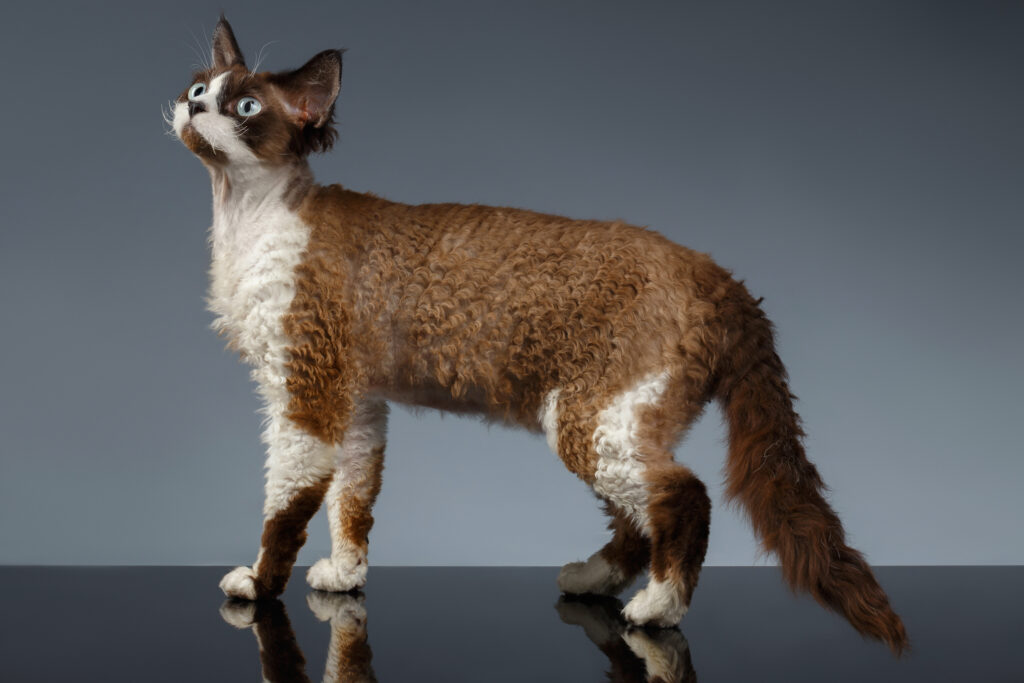
The Devon Rex is instantly recognizable by its striking appearance. Its large, wide-set ears are its most distinctive feature, giving it a perpetually curious look. The breed’s coat is short, sleek, and comes in a variety of colors and patterns. The face is wedge-shaped, with a pointed chin and piercing eyes that can be green, gold, copper, blue or red.
Size and Build
Despite its large ears, the Devon Rex is a relatively small breed, weighing between 6-10 pounds (3-5 kg). Its body is muscular and athletic, with long legs and sharp claws. The tail is slender and tapering, often carried low.
Personality Traits
The Devon Rex is known for its outgoing and affectionate personality. They are extremely playful, curious, and love human interaction. Devons are highly social cats who thrive on attention from their owners. However, they can be sensitive to criticism or harsh treatment, so gentle handling is essential.
Health Considerations
As with any breed, the Devon Rex has its health concerns. The breed’s unique genetic makeup makes it prone to certain health issues, such as patellar luxation and heart problems. Regular veterinary check-ups and genetic testing are crucial for maintaining the health of these cats.
Price and Availability
Devon Rex kittens can be expensive, with prices ranging from $400 to $800. However, reputable breeders prioritize the health and well-being of their cats, ensuring that they meet the highest standards of care and quality.
Living Situation
The Devon Rex is an excellent choice for apartment dwellers due to its calm nature and relatively low energy levels. They are happy to entertain themselves and don’t require extensive exercise. However, they do need regular playtime and mental stimulation to prevent boredom.
Grooming Needs
The Devon Rex has a short, smooth coat that requires minimal grooming. However, their large ears and feet do need regular cleaning to prevent wax buildup and skin irritation. Regular nail trimming is also essential for maintaining their overall health.
Conclusion
The Devon Rex is an enchanting cat breed that will captivate your heart with its unique appearance and charming personality. With proper care, attention, and love, these cats can thrive as beloved companions in any home.
Frequently Asked Questions (FAQs)
- Q: What is the average lifespan of a Devon Rex?
A: The average lifespan of a Devon Rex is 12-15 years with proper care and nutrition. Factors such as diet, exercise, and health conditions can affect individual longevity.
- Q: Are Devons prone to health issues?
A: Yes, Devons are prone to certain health issues such as patellar luxation and heart problems. Regular veterinary check-ups and genetic testing can help mitigate these risks.
- Q: How much exercise does a Devon Rex need?
A: Devons require moderate exercise, including playtime and mental stimulation, to prevent boredom and maintain their physical health. A daily routine of playtime, scratching posts, and toys is recommended.
- Q: Can I leave my Devon Rex alone for long periods?
A: While Devons are generally calm and independent, they do require regular attention and interaction from their owners. Leaving them alone for extended periods can lead to stress and anxiety.
- Q: How often should I groom my Devon Rex’s ears and paws?
A: Regular ear cleaning (at least once a week) and nail trimming (every 4-6 weeks) are essential for maintaining your Devon Rex’s overall health and hygiene. You may also need to trim their nails every few months.
- Q: Can I breed Devons if I’m not an experienced breeder?
A: No, breeding cats requires extensive knowledge and experience to ensure the health and well-being of the animals involved. It’s recommended that you seek guidance from a reputable breeder or organization before attempting to breed your Devon Rex.
- Q: Are Devons suitable for families with young children?
A: Yes, Devons are generally excellent with children, especially if socialized from an early age. However, as with any cat breed, it’s essential to supervise interactions between cats and young children to ensure everyone’s safety and happiness.
- Q: Can I take my Devon Rex outdoors?
A: While Devons are outdoor cats by nature, they should be introduced to the outdoors gradually and under close supervision to prevent injury or exposure to disease. Outdoor cats may also require additional vaccinations and parasite control measures.
Tips for New Devon Rex Owners
-
Provide a safe space: Ensure your home is cat-proofed, with secure windows, no loose wires, and a stable place for your Devon Rex to rest.
-
Create a play area: Set aside time each day for playtime, including toys, scratching posts, and climbing structures.
-
Establish a routine: Develop a daily schedule that includes regular feeding times, grooming, and social interaction with family members.
-
Show love and affection: Devon Rexes thrive on attention and interaction from their owners. Make sure to spend quality time with your cat each day.
-
Monitor health: Regular veterinary check-ups are crucial for maintaining the health of your Devon Rex. Keep an eye out for signs of illness or distress, and seek professional help if needed.
Common Health Issues in Devons
-
Patellar luxation: A genetic condition that affects the kneecap, causing it to slip out of place.
-
Heart problems: Cardiac issues such as murmurs, arrhythmias, or congestive heart failure can affect Devon Rexes.
-
Dental problems: Tooth decay, gum disease, and tooth loss are common health concerns in cats, including Devons.
-
Hypertension: High blood pressure is a risk factor for various health issues, including kidney disease and stroke.
Tips for Staying Healthy
-
Feed a balanced diet: Provide your Devon Rex with a nutritious, high-quality cat food that meets their nutritional needs.
-
Keep them hydrated: Ensure access to fresh water at all times to prevent dehydration.
-
Provide regular exercise: Engage your Devon Rex in playtime and mental stimulation activities to maintain physical health.
-
Schedule regular check-ups: Regular veterinary visits can help identify potential health issues early on.
-
Show love and affection: Devon Rexes thrive on attention and interaction from their owners, so make sure to spend quality time with your cat each day.
Conclusion
The Devon Rex is an enchanting cat breed that will captivate your heart with its unique appearance and charming personality. With proper care, attention, and love, these cats can thrive as beloved companions in any home. By understanding their needs, health concerns, and behavior, you can create a happy and healthy environment for your new furry friend.


