
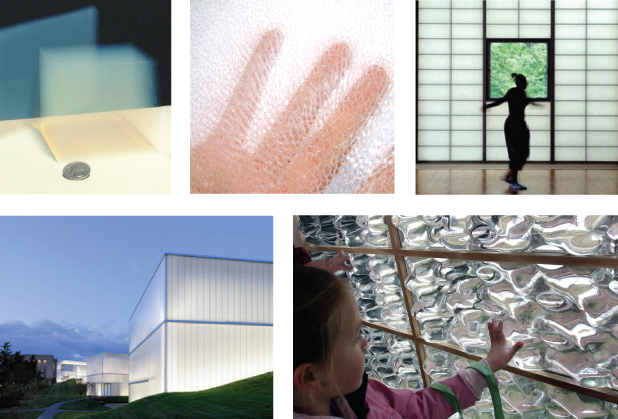
Understanding Transparent and Vacuum-Insulating Materials for Exterior Walls
As we strive to reduce our carbon footprint and create more sustainable buildings, the importance of insulation cannot be overstated. One innovative approach to exterior wall insulation is using transparent and vacuum-insulating materials. In this article, we’ll delve into the world of smart facades and explore how these cutting-edge materials can transform your building’s thermal performance.
What are Transparent Insulation Materials?
Transparent insulation materials, such as glass, acrylic, or polycarbonate panels, can be used to create a thermally efficient exterior wall. These materials allow sunlight to pass through during the day, warming the surface of the wall, while preventing heat loss at night. This results in a significant reduction in energy consumption and greenhouse gas emissions.
How Do Transparent Insulation Materials Work?
Transparent insulation materials work by maximizing solar gain during the day and minimizing heat loss at night. Unlike traditional insulation materials, which can trap heat and create condensation issues, transparent insulation materials allow for airflow and moisture transfer. This leads to a more efficient energy system and reduced maintenance costs.
The Science Behind Transparent Insulation Materials
The effectiveness of transparent insulation materials depends on their geometric structure, which determines their thermal conductivity. The smaller the molecules, the lower the thermal conductivity. As a result, materials like glass or acrylic have a higher thermal conductivity than traditional insulation materials. However, this also means they can be prone to heat gain during the day.
Balancing Solar Gain and Thermal Performance
To achieve optimal performance, it’s essential to strike a balance between solar gain and thermal performance. If the material is too transparent, it may allow too much sunlight to enter, leading to overheating. On the other hand, if it’s too opaque, it may prevent sufficient sunlight from reaching the wall.
Vacuum-Insulating Materials: The Next Generation of Insulation
Vacuum-insulating materials (VIPs) are another innovative approach to exterior wall insulation. These materials consist of a nanoporose core surrounded by a multistrato fabric that is resistant to pressure. The quality of the vacuum is crucial, as it directly affects the material’s thermal performance.
The Benefits of Vacuum-Insulating Materials
Vacuum-insulating materials have several advantages over traditional insulation materials:
- Higher thermal conductivity (up to 90% more efficient)
- Lower weight
- Increased durability
- Improved air tightness
However, VIPs also have some limitations. They require a specific type of fabric and can be prone to degradation over time.
Smart Facades: The Future of Building Insulation
As we move towards a more sustainable future, smart facades are becoming an increasingly popular solution for exterior wall insulation. By integrating transparent and vacuum-insulating materials, builders can create thermally efficient buildings that minimize energy consumption and greenhouse gas emissions.
Types of Transparent Insulation Materials
There are several types of transparent insulation materials available, each with its unique characteristics and benefits:
- Glass panels: Made from tempered glass, these panels offer excellent thermal performance and durability.
- Acrylic panels: Lightweight and shatter-resistant, acrylic panels provide good thermal insulation while allowing sunlight to pass through.
- Polycarbonate panels: Durable and impact-resistant, polycarbonate panels are an affordable option for exterior wall insulation.
Benefits of Transparent Insulation Materials
Transparent insulation materials offer several benefits over traditional insulation solutions:
- Reduced energy consumption
- Lower greenhouse gas emissions
- Improved air tightness
- Increased durability
However, they also have some drawbacks to consider:
- Higher upfront cost
- Potential for heat gain during the day
- Limited availability in certain regions
Vacuum-Insulating Materials: The Next Generation of Insulation
Vacuum-insulating materials (VIPs) are a cutting-edge solution for exterior wall insulation. These materials consist of a nanoporose core surrounded by a multistrato fabric that is resistant to pressure. The quality of the vacuum directly affects the material’s thermal performance, making it an efficient insulation solution.
Benefits of Vacuum-Insulating Materials
Vacuum-insulating materials have several advantages over traditional insulation materials:
- Higher thermal conductivity (up to 90% more efficient)
- Lower weight
- Increased durability
- Improved air tightness
However, VIPs also have some limitations. They require a specific type of fabric and can be prone to degradation over time.
Design Considerations for Smart Facades
When designing smart facades, it’s essential to consider several factors:
- Material selection: Choose materials that meet your building’s thermal performance requirements.
- Structural integrity: Ensure the facade is structurally sound to withstand external loads and stresses.
- Air tightness: Achieve optimal air tightness to minimize heat loss and gain.
- Maintenance access: Design the facade with easy maintenance access in mind.
Conclusion
Transparent and vacuum-insulating materials offer a promising solution for exterior wall insulation. By maximizing solar gain during the day and minimizing heat loss at night, these materials can transform your building’s thermal performance. However, it’s essential to strike a balance between solar gain and thermal performance and consider factors like material quality, durability, and maintenance costs.
Frequently Asked Questions
- What is the ideal thickness for transparent insulation panels?
The optimal thickness for transparent insulation panels depends on various factors, including climate, building type, and desired energy efficiency. However, a general rule of thumb is to use panels with a thickness between 1-3 cm. - How does vacuum-insulation material work?
Vacuum-insulating materials consist of a nanoporose core surrounded by a multistrato fabric that is resistant to pressure. The quality of the vacuum directly affects the material’s thermal performance, making it an efficient insulation solution. - Can I use transparent insulation materials in areas with high solar radiation?
Yes, transparent insulation materials can be used in areas with high solar radiation, but it’s essential to consider factors like heat gain and shading. Proper design and installation are crucial to ensure optimal performance. - How long do vacuum-insulating panels last?
Vacuum-insulating panels have a relatively long lifespan, typically ranging from 30-50 years, depending on the quality of the material and installation conditions. - Can I use transparent insulation materials in combination with other insulation solutions?
Yes, transparent insulation materials can be used in conjunction with other insulation solutions, such as thermal breaks or secondary glazing systems. This approach can enhance overall energy efficiency and reduce costs.


