
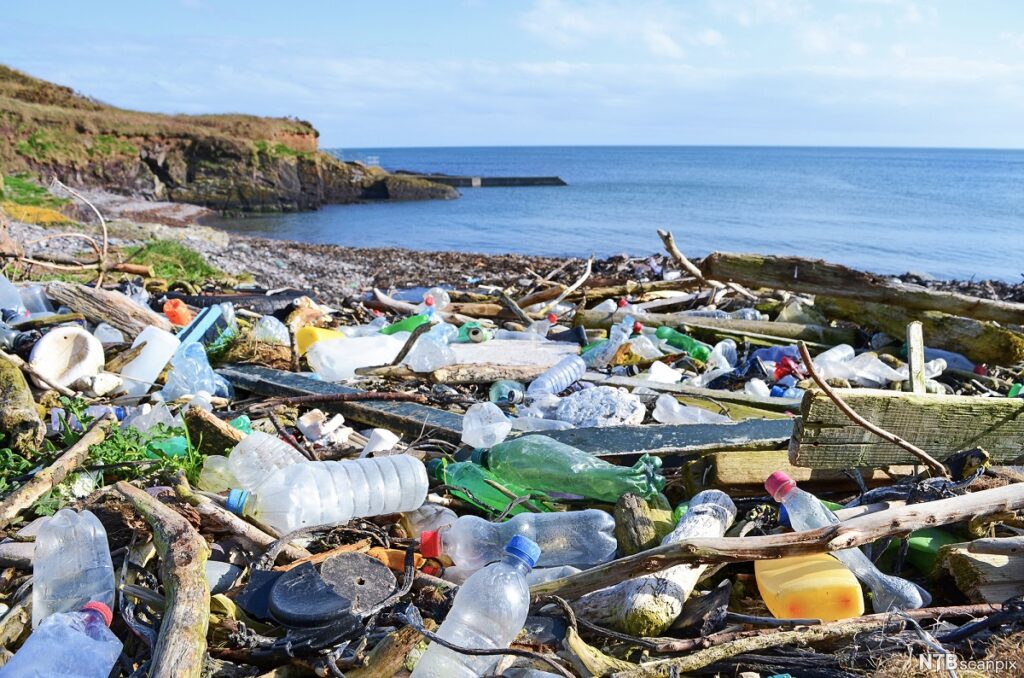
The waters of Italy are facing a concerning situation due to malabatement, excessive discharges, pollution, and the ongoing climate crisis. This is what emerges from the final report of the Goletta Verde and Goletta dei Laghi 2024 campaigns by Legambiente.
A Comprehensive Review of Italy’s Waters
In the summer between June and August, Legambiente conducted a total of 394 checks in 19 Italian regions. The results show that 36% of the samples were found to be “beyond the limit”, with 101 points classified as “strongly contaminated” and 39 as “contaminated”. Specifically, the state of the sea is a major concern, with an average of one contaminated point every 76 km of coastline. The trend of pollution is on the rise, increasing from 31% in 2022 to 37% in 2024.
Critical Focus Areas: Foci of Rivers and Canals
The foci of rivers, canals, and waterways that flow into the sea or lakes are among the most critical points. Legambiente conducted 47% of its checks in these areas, with 59% of samples found to be “beyond the limit”. In contrast, the waters of lakes and seas, both frequented by bathers and at critical points, showed better results, with only 14% of samples classified as negative.
Enhanced Monitoring and Special Observations
In 2024, Legambiente introduced 18 “special observations”, monitoring historically critical areas along the coast and four lakes: Maggiore, Orta, Trasimeno, and Bolsena. Of 45 samples taken, 69% showed excessive levels of pollutants even before the summer.
Climate Crisis and Emerging Threats
The climate crisis is another factor exacerbating the quality of Italy’s waters. The year 2024 was marked by persistent drought in southern Italy and intense rainfall in northern regions, putting stress on wastewater treatment systems. Additionally, the warming of the Mediterranean Sea and the invasion of alien species like the blue crab.
The Impact of Human Activities
Human activities such as industrial agriculture, construction, and urbanization are significant contributors to pollution in Italy’s waters. Agricultural runoff from fertilizers and pesticides can lead to eutrophication, while construction sites can release heavy metals into waterways. Urbanization also leads to increased wastewater generation, which can overwhelm treatment plants if not properly managed.
The Role of Wastewater Treatment Plants
Wastewater treatment plants play a crucial role in protecting Italy’s waters. However, many of these plants are aging and unable to keep up with the increasing amount of wastewater generated by growing populations. Inadequate maintenance and lack of funding can lead to inadequate treatment of wastewater, allowing pollutants to enter waterways.
The Need for a National Plan
Given the scope of the problem, Legambiente proposes a national plan to protect marine and lake waters, which includes:
- Upgrading and completing wastewater treatment plants
- Implementing climate change adaptation plans
- Increasing protected areas by 2030
- Promoting renewable energy and offshore wind power
Specifically, Legambiente emphasizes the need to define the Pianificazione dello Spazio Marittimo (PSM) plan to manage marine resources effectively and protect ecosystems.
“Even this year Goletta Verde and dei Laghi remind us that rivers and canals can be vehicles of pollution. For this reason, we propose a national plan based on four pillars to combat the climate crisis,” comments Stefano Ciafani, President of Legambiente.
The Future of Italy’s Waters: Challenges Ahead
The situation is alarming, but there are steps that can be taken to protect Italy’s waters. The national plan proposed by Legambiente will require cooperation from all stakeholders to address the complex issues at hand. With awareness and action, we can work towards a cleaner, healthier future for Italy’s waters.
Consequences of Inaction
If left unchecked, the pollution in Italy’s waters can have severe consequences on human health, ecosystems, and the economy. The impact on biodiversity is already being felt, with many species struggling to survive in polluted environments. Additionally, the economic costs of pollution can be significant, with damage to tourism, fishing, and other industries that rely on healthy waters.
Solutions and Alternatives
There are many solutions and alternatives that can help mitigate the problem. One approach is to adopt a circular economy model, where waste is minimized and resources are recycled or reused. Another approach is to promote sustainable agriculture practices, such as organic farming, which can reduce pollution from fertilizers and pesticides.
Individual Actions
Individuals can contribute to water protection in Italy by making simple changes to their daily habits. These include:
- Reducing plastic use
- Using eco-friendly products
- Supporting organizations that work on environmental issues
- Advocating for policy changes that promote sustainable practices
Government Initiatives
The government also plays a crucial role in protecting Italy’s waters. This can be achieved through policies and initiatives such as:
- Investing in wastewater treatment infrastructure
- Promoting renewable energy sources
- Implementing climate change adaptation plans
- Increasing protected areas by 2030
Education and Awareness
Education and awareness are essential in addressing the issue of pollution in Italy’s waters. By educating citizens about the importance of water protection, we can build a movement to demand action from policymakers and industry leaders.
Conclusion
The state of Italy’s waters is alarming, but it is not insurmountable. With awareness, cooperation, and collective action, we can work towards a cleaner, healthier future for Italy’s waters. The national plan proposed by Legambiente is a crucial step in this direction, but it requires the involvement of all stakeholders to be successful.
Recommendations
Based on the findings of the Goletta Verde and dei Laghi 2024 campaigns, we recommend:
- Developing a national plan to protect marine and lake waters
- Upgrading and completing wastewater treatment plants
- Implementing climate change adaptation plans
- Increasing protected areas by 2030
- Promoting renewable energy and offshore wind power
By working together, we can build a future where Italy’s waters are clean, healthy, and thriving for generations to come.


