
Understanding Disposofobia: A Comprehensive Guide
Disposofobia, literally meaning “fear of discarding,” is a psychological disorder characterized by an accumulation of objects that becomes compulsive and pathological. This article aims to provide a thorough understanding of disposofobia, its symptoms, causes, treatment options, and related resources.
What is Disposofobia?
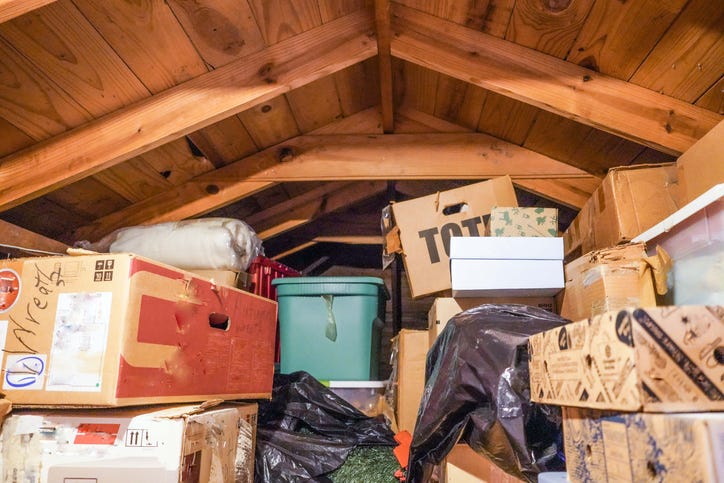
Disposofobia is a type of anxiety disorder where individuals accumulate objects excessively, without necessarily using them. This behavior can lead to cluttered living spaces, difficulties with mobility, nutrition, and hygiene. The accumulation of objects becomes an obsessive-compulsive behavior, often triggered by a need for control or perfection.
Symptoms of Disposofobia
While disposofobia can manifest in various ways, some common symptoms include:
- Accumulating objects without a clear purpose or function
- Difficulty discarding items, even when they are no longer needed or useful
- Feeling overwhelmed by cluttered living spaces
- Struggling with organization and decision-making skills
- Experiencing anxiety or stress related to the accumulation of objects
Causes of Disposofobia
While the exact causes of disposofobia are not fully understood, several factors can contribute to its development:
- Perfectionism: Individuals who strive for perfection may accumulate objects as a means of achieving control and order.
- Family dynamics: A person’s relationship with their parents, particularly their father, can influence their behavior.
- Body image issues: People with a higher body mass index (BMI) are more likely to develop disposofobia.
- Depression: Individuals who experience depression may be more prone to developing disposofobia.
Treatment Options for Disposofobia
Fortunately, there are effective treatment options available for disposofobia:
- Cognitive-behavioral therapy (CBT): A type of talk therapy that helps individuals identify and change negative thought patterns and behaviors.
- Medications: Selective serotonin reuptake inhibitors (SSRIs) can help alleviate symptoms of anxiety and depression associated with disposofobia.
Living with Disposofobia: Tips for Management
While disposofobia is a treatable condition, it requires effort and dedication to manage:
- Start small: Begin by decluttering one area or object at a time.
- Set boundaries: Establish clear rules for discarding items.
- Practice self-care: Engage in activities that promote relaxation and stress reduction.
Additional Resources
For those seeking additional support, consider the following resources:
- Books: “The Life-Changing Magic of Tidying Up” by Marie Kondo
- Online communities: Join online forums or support groups for individuals with disposofobia.
- Professional help: Consult a mental health professional for personalized guidance and support.
FAQs
- What is the difference between disposofobia and hoarding disorder?
Disposofobia is characterized by an accumulation of objects without necessarily using them, whereas hoarding disorder involves a persistent difficulty discarding or parting with possessions. - Can disposofobia be treated without therapy?
While medications can help alleviate symptoms, cognitive-behavioral therapy (CBT) is often the most effective treatment for disposofobia. - Is disposofobia related to anxiety or depression?
Yes, individuals with disposofobia are more likely to experience anxiety and depression due to the emotional distress associated with accumulating objects. - Can disposofobia be inherited?
There is no clear evidence that disposofobia is inherited, but family dynamics can play a role in its development. - How common is disposofobia?
Disposofobia is a relatively rare condition, affecting approximately 1% of the general population.
Conclusion
Disposofobia is a complex psychological disorder characterized by an accumulation of objects that becomes compulsive and pathological. By understanding its symptoms, causes, treatment options, and related resources, individuals can take the first step towards managing this condition and improving their overall well-being.
Managing Disposofobia: A Step-by-Step Guide
- Acknowledge your feelings: Recognize that you are struggling with disposofobia.
- Seek professional help: Consult a mental health professional for personalized guidance and support.
- Develop coping mechanisms: Engage in activities that promote relaxation and stress reduction, such as exercise or meditation.
- Create a support network: Join online communities or support groups for individuals with disposofobia.
Living with Disposofobia: Tips for Daily Life
While disposofobia can impact daily life, there are strategies to manage its effects:
- Prioritize self-care: Engage in activities that promote relaxation and stress reduction.
- Establish routines: Create a schedule for decluttering and organizing your living space.
- Seek support: Consult a mental health professional or join an online community for personalized guidance and support.
Disposofobia can have a significant impact on daily life, but with the right treatment and support, individuals can learn to manage their condition. By understanding its symptoms, causes, and treatment options, you can take the first step towards improving your overall well-being.
Final Thoughts
Disposofobia is a complex psychological disorder that requires effort and dedication to manage. By acknowledging your feelings, seeking professional help, developing coping mechanisms, and creating a support network, individuals can learn to live with disposofobia and improve their daily lives.


