
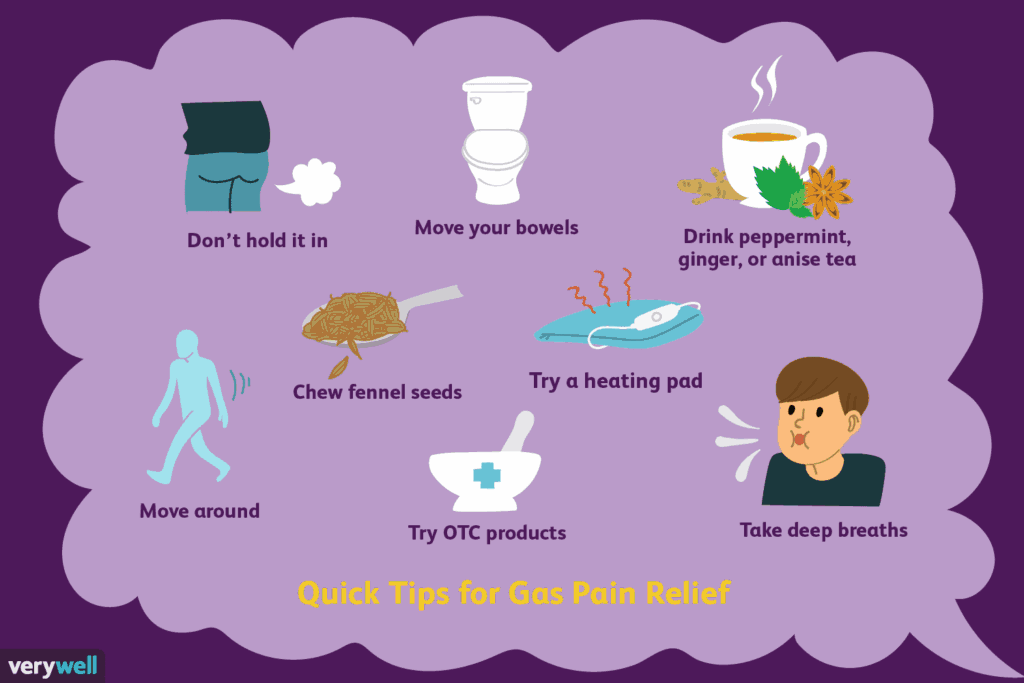
Flatulence, or meteorism, is a common phenomenon that occurs when gas builds up in the digestive system. While it can be uncomfortable and embarrassing, flatulence is generally not a cause for concern. However, chronic flatulence can be a sign of an underlying digestive issue.
Understanding Flatulence: Causes and Consequences
Flatulence is caused by the fermentation of food by bacteria in the gut, which produces gases such as nitrogen, oxygen, carbon dioxide, and hydrogen. These gases are released through the anus during defecation. While flatulence can be a normal part of digestion, excessive or persistent flatulence can be a sign of an underlying issue.
There are two main reasons why flatulence occurs: food intake and gut bacteria. When we eat certain foods or drinks, they can ferment in the digestive system, producing gas. Additionally, some people may have difficulty digesting certain nutrients or compounds, leading to increased gas production.
Common culprits of flatulence include:
- Legumes (beans, lentils, etc.)
- Cruciferous vegetables (broccoli, cauliflower, etc.)
- Carbonated drinks (soda, beer, etc.)
- High-fiber foods
Symptoms of Flatulence
Flatulence can manifest in various ways, including:
- Passing gas
- Bloating and discomfort
- Abdominal pain or cramping
- Nausea and vomiting
- Diarrhea or constipation
If you experience persistent or severe flatulence, it’s essential to consult with a healthcare professional to rule out any underlying conditions.
Natural Remedies for Flatulence
Fortunately, there are several natural remedies that can help alleviate flatulence and promote digestive health. Here are some effective options:
1. Ginger
Ginger has been used for centuries to aid digestion and reduce gas production. Its carminative properties help soothe the stomach and reduce inflammation.
Ginger Tea Recipe:
Ingredients:
- 10 grams of fresh ginger, peeled and sliced
- 250ml of water
Instructions:
- Boil the water and add the sliced ginger.
- Steep for 5-7 minutes.
- Strain and drink before meals or as a digestive aid.
Benefits of Ginger:
- Reduces inflammation in the digestive system
- Eases nausea and vomiting
- Relieves symptoms of irritable bowel syndrome (IBS)
Turmeric Benefits:
Turmeric contains curcumin, a powerful anti-inflammatory compound that can help reduce inflammation in the digestive system. Turmeric has also been shown to have antioxidant properties.
Turmeric Latte Recipe:
Ingredients:
- 250ml of milk (dairy or non-dairy)
- 1/2 teaspoon of turmeric powder
- Pinch of black pepper
Instructions:
- Heat the milk and add the turmeric powder.
- Whisk until well combined.
- Add a pinch of black pepper to enhance absorption.
Benefits of Turmeric:
- Reduces inflammation in the digestive system
- Eases symptoms of IBS
- Supports immune function
2. Fennel Seeds
Fennel seeds have natural carminative properties that can help reduce gas production and alleviate bloating.
Fennel Tea Recipe:
Ingredients:
- 250ml of water
- 1 tablespoon of fennel seeds
Instructions:
- Boil the water and add the fennel seeds.
- Steep for 5-7 minutes.
- Strain and drink before meals or as a digestive aid.
Benefits of Fennel:
- Relieves symptoms of IBS
- Eases bloating and discomfort
- Supports immune function
3. Cinnamon
Cinnamon has natural antibacterial properties that can help regulate gut bacteria and reduce inflammation in the digestive system.
Cinnamon Tea Recipe:
Ingredients:
- 250ml of water
- 1 cinnamon stick
Instructions:
- Boil the water and add the cinnamon stick.
- Steep for 5-7 minutes.
- Strain and drink before meals or as a digestive aid.
Benefits of Cinnamon:
- Regulates gut bacteria
- Reduces inflammation in the digestive system
- Supports immune function
4. Peppermint Oil
Peppermint oil has natural carminative properties that can help ease nausea, bloating, and discomfort.
Peppermint Oil Recipe:
Ingredients:
- 10ml of peppermint oil
- 250ml of water
Instructions:
- Mix the peppermint oil with the water.
- Drink before meals or as a digestive aid.
Benefits of Peppermint Oil:
- Eases nausea and vomiting
- Relieves bloating and discomfort
- Supports immune function
5. Probiotics
Probiotics are live bacteria that can help regulate gut bacteria and promote digestive health.
Probiotic Supplements:
Ingredients:
- Various strains of probiotics (e.g., Lactobacillus, Bifidobacterium)
- Recommended daily dosage: 1-2 billion CFU
Instructions:
- Take the recommended dose with a meal.
- Consult with a healthcare professional before starting any new supplement.
Benefits of Probiotics:
- Regulates gut bacteria
- Supports immune function
- Eases symptoms of IBS
6. Chamomile Tea
Chamomile tea has natural anti-inflammatory properties that can help soothe the digestive system and reduce inflammation.
Chamomile Tea Recipe:
Ingredients:
- 250ml of water
- 1 tablespoon of dried chamomile flowers
Instructions:
- Boil the water and add the chamomile flowers.
- Steep for 5-7 minutes.
- Strain and drink before meals or as a digestive aid.
Benefits of Chamomile:
- Soothes the digestive system
- Reduces inflammation in the digestive system
- Supports immune function
Frequently Asked Questions (FAQs)
Q: What is the best way to prevent flatulence?
A: Eating slowly, chewing food thoroughly, and avoiding gas-producing foods can help reduce flatulence.
Q: Can I try these remedies if I have sensitive skin or allergies?
A: Always do a patch test before trying new remedies, especially if you have sensitive skin or allergies.
Q: How long will it take to see results from using natural remedies for flatulence?
A: Results may vary depending on individual digestive issues and the severity of flatulence. Consult with a healthcare professional if symptoms persist.
Q: Can I use these remedies if I’m pregnant or breastfeeding?
A: Always consult with a healthcare professional before trying new remedies, especially if you’re pregnant or breastfeeding.
Q: Are there any other natural remedies for flatulence that I should try?
A: Yes, other effective options include dandelion root tea, slippery elm tea, and marshmallow root tea. Consult with a healthcare professional before adding new supplements to your diet.
By incorporating these natural remedies into your daily routine, you can help alleviate flatulence and promote digestive health. Remember to always consult with a healthcare professional if symptoms persist or worsen.
Conclusion
Flatulence is a common phenomenon that can be alleviated with natural remedies. By understanding the causes of flatulence, identifying individual triggers, and incorporating effective natural remedies into your daily routine, you can reduce flatulence and promote digestive health. Remember to always consult with a healthcare professional if symptoms persist or worsen.
Additional Tips
- Eat slowly and chew food thoroughly to reduce gas production
- Avoid gas-producing foods, such as beans, cabbage, and broccoli
- Incorporate probiotics into your diet to regulate gut bacteria
- Stay hydrated by drinking plenty of water
- Manage stress through relaxation techniques, such as meditation or deep breathing
By following these tips and incorporating natural remedies into your daily routine, you can effectively manage flatulence and promote digestive health.


