
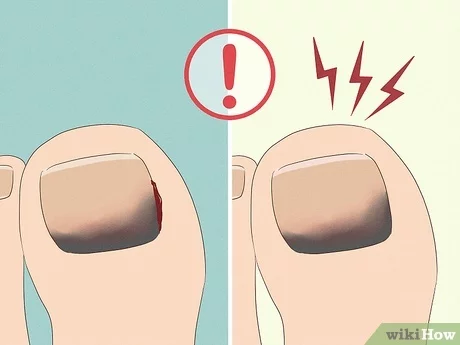
As the saying goes, “an injury is done” when it comes to a dark nail, commonly known as onychocryptosis. This painful condition often occurs due to domestic accidents, particularly if you’re prone to squeezing your fingers or toes when closing doors, drawers, or car doors. Wearing ill-fitting shoes can also cause repeated trauma, leading to the formation of an ematoma subungueal – a dark-colored nail that can be quite painful.
What are Dark Nails?
In medical terms, onychocryptosis refers to an ematoma that occurs between the nail and its bed. This condition is characterized by a range of colors, including gray, purple, and black. The appearance of a dark nail can be alarming, but it’s essential to understand that this is not a sign of cancer or any other serious disease.
Causes of Dark Nails
The causes of onychocryptosis are varied and often related to accidents or repetitive trauma. In most cases, domestic incidents contribute to the development of dark nails, particularly when they occur on fingers or toes. The following scenarios can lead to onychocryptosis:
- Squeezing fingers or toes when closing doors, drawers, or car doors
- Wearing ill-fitting shoes that cause repeated trauma
- Sports injuries, such as running or skiing, where the toe is subjected to repetitive stress
Identifying the Cause of Dark Nails
To determine the cause of your dark nail, look for these common symptoms:
- Pain and swelling in the affected area
- Redness and inflammation around the nail
- A dark-colored nail that may be painful to touch
- Blisters or sores near the nail
If you’re unsure about the cause of your dark nail or if it’s accompanied by other symptoms, consult a doctor for proper diagnosis and treatment.
Treating Dark Nails
Treatment options for onychocryptosis depend on the underlying cause. In most cases, conservative management is sufficient to resolve the condition. Here are some common treatments:
- Cold compress: Apply an ice pack to reduce swelling and pain.
- Elevation: Elevate the affected area above the level of your heart to reduce swelling.
- Pain relief medication: Over-the-counter pain relievers can help manage discomfort.
If the dark nail is caused by a fungal infection or diabetes, your doctor may prescribe antifungal medications or adjust your treatment plan accordingly.
Preventing Dark Nails
To prevent onychocryptosis, follow these tips:
- Wear well-fitting shoes that don’t cause repeated trauma.
- Avoid squeezing fingers or toes when closing doors, drawers, or car doors.
- Practice good hygiene to reduce the risk of fungal infections.
- Manage diabetes by following a healthy diet and exercise routine.
By understanding the causes and symptoms of onychocryptosis, you can take steps to prevent this painful condition from occurring in the first place. If you do experience dark nails, seek medical attention to determine the best course of treatment.
Frequently Asked Questions
- Can onychocryptosis be a sign of cancer?
No, onychocryptosis is not typically a sign of cancer. - How long does it take for an ematoma subungueal to heal?
Healing time varies depending on the underlying cause and treatment. - Can I treat dark nails at home?
While some treatments can be done at home, it’s often best to consult a doctor for proper diagnosis and treatment. - Are there any risks associated with onychocryptosis?
In rare cases, onychocryptosis can lead to infection or gangrene if left untreated. - Can dark nails be caused by stress or anxiety?
There is no direct link between stress/anxiety and the development of onychocryptosis.
Consult a doctor for personalized advice on treating your specific situation.
Additional Information
- Diabetes and Onychocryptosis: People with diabetes are more susceptible to developing dark nails due to nerve damage and poor circulation.
- Fungal Infections: Fungal infections can cause dark nails, particularly in people who wear ill-fitting shoes or have a history of fungal infections.
- Sports Injuries: Sports injuries, such as running or skiing, can cause dark nails if the toe is subjected to repetitive stress.
Conclusion
Onychocryptosis is a painful condition that can be caused by a range of factors, including domestic accidents and repetitive trauma. By understanding the causes and symptoms of this condition, you can take steps to prevent it from occurring in the first place. If you do experience dark nails, seek medical attention to determine the best course of treatment.
In conclusion, onychocryptosis is not just a minor issue that can be treated with over-the-counter pain relief medication. It’s a serious condition that requires proper diagnosis and treatment to prevent further complications. By following these tips and consulting a doctor for personalized advice, you can take control of your dark nails and live a healthier life.


