
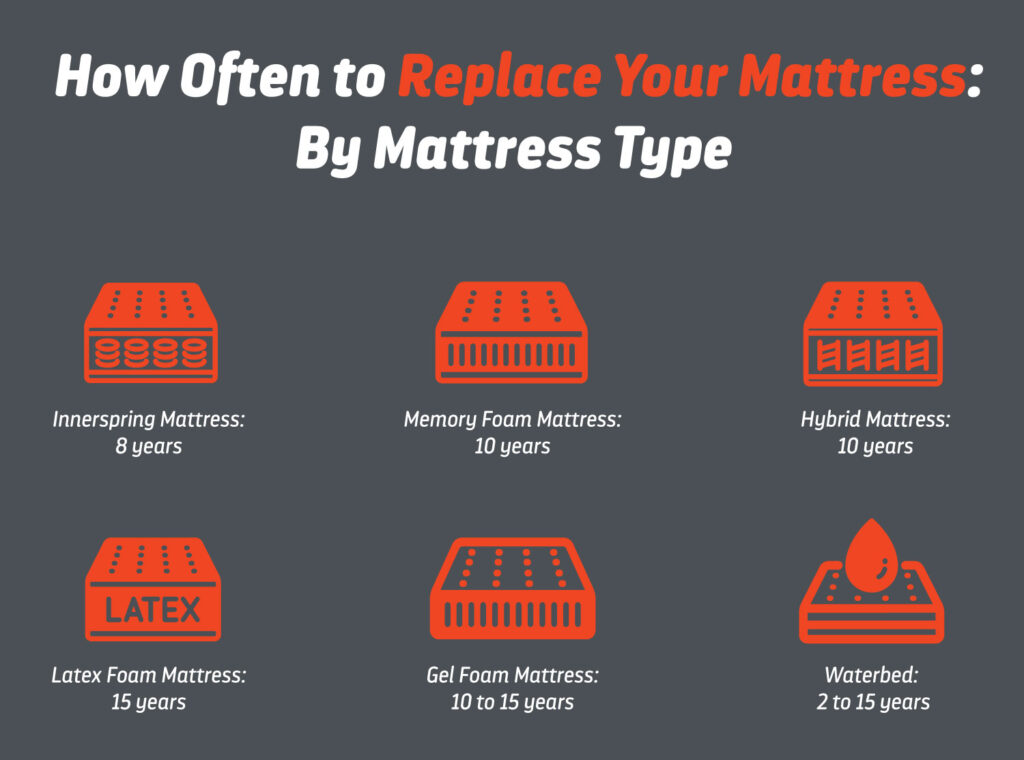
Mattresses are a crucial part of our daily lives, providing us with comfort and support as we sleep. However, like any other household item, mattresses can become worn out over time. But how often should you replace your mattress? In this article, we’ll delve into the world of mattress replacement, discussing factors that affect its lifespan, the importance of regular maintenance, and what to do when it’s time to say goodbye.
Understanding Mattress Lifespan
The lifespan of a mattress depends on various factors, including the type of material used, usage patterns, and personal preferences. Generally, mattresses can last anywhere from 7-10 years. However, some high-quality mattresses may last up to 15 years or more with proper care and maintenance.
Why Replace Your Mattress?
There are several reasons why you might need to replace your mattress. Here are a few:
- Hygiene: Mattresses can harbor bacteria, dust mites, and other microorganisms that can affect your health.
- Support: Over time, mattresses can lose their shape and provide inadequate support for your body, leading to back pain and other issues.
- Comfort: A worn-out mattress can become uncomfortable, affecting the quality of your sleep.
The Importance of Regular Maintenance
Regular maintenance is key to extending the lifespan of your mattress. Here are a few tips:
- Rotate and flip: Rotate and flip your mattress every 3-6 months to ensure even wear and tear.
- Wash covers: Wash your mattress covers regularly to prevent dirt and stains from building up.
- Vacuum: Vacuum your mattress periodically to remove dust mites and other allergens.
Sustainability Matters
When it comes time to replace your mattress, sustainability is an important consideration. Here are a few eco-friendly options:
- Donate or repurpose: Consider donating or repurposing your old mattress instead of throwing it away.
- Recycle: Many mattress manufacturers offer recycling programs for their products.
- Buy sustainable: When purchasing a new mattress, look for sustainable materials and production methods.
What to Do with Your Old Mattress
When it’s time to say goodbye to your old mattress, here are a few options:
- Donate or repurpose: Consider donating or repurposing your old mattress.
- Recycle: Many mattress manufacturers offer recycling programs for their products.
- Dispose of responsibly: If you can’t donate or recycle your mattress, dispose of it responsibly through your local waste management agency.
Frequently Asked Questions
Here are a few frequently asked questions about replacing mattresses:
- Q: How often should I replace my mattress?
A: Generally, mattresses last anywhere from 7-10 years. - Q: What factors affect the lifespan of a mattress?
A: Factors include material quality, usage patterns, and personal preferences. - Q: Can I repair or repurpose my old mattress instead of replacing it?
A: Yes, consider donating, repurposing, recycling, or repairing your old mattress.
Choosing the Right Mattress
When selecting a new mattress, there are several factors to consider:
- Material: Look for mattresses made from high-quality materials that provide optimal support and comfort.
- Support: Consider the level of support you need for your body type and sleeping position.
- Comfort: Think about the level of firmness and softness you prefer.
The Benefits of a New Mattress
Replacing your mattress can have numerous benefits, including:
- Improved sleep quality: A new mattress can provide optimal support and comfort, leading to better sleep quality.
- Reduced back pain: A mattress that provides adequate support can help alleviate back pain.
- Increased energy levels: Getting a good night’s sleep is essential for maintaining energy levels throughout the day.
Mattress Types
There are several types of mattresses available, including:
- Memory foam: Known for their ability to conform to the body, memory foam mattresses provide excellent support and comfort.
- Innerspring: Innerspring mattresses feature coils that provide support and breathability.
- Hybrid: Hybrid mattresses combine different materials to create a unique sleeping experience.
The Future of Mattresses
As technology advances, mattresses are becoming more sophisticated. Here are a few trends to watch:
- Smart mattresses: Smart mattresses can track sleep patterns and provide personalized recommendations for improvement.
- Sustainable materials: Manufacturers are increasingly using sustainable materials in their products.
- Customization: With advancements in technology, it’s now possible to customize your mattress to suit your individual needs.
Conclusion
Replacing your mattress is an essential part of maintaining a healthy and comfortable living space. By understanding the factors that affect mattress lifespan, regular maintenance tips, and sustainable options, you can make an informed decision about when to replace your mattress and how to do so in a way that’s good for the environment. Whether you’re looking for a new mattress or just want to learn more about the process, this guide has provided valuable insights into the world of mattress replacement.


