
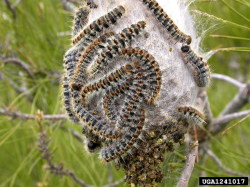
What is the Pine Processionary?
The pine processionary (Thaumatopoea pityocampa) is a type of moth that can cause significant damage to pine trees and other coniferous species. The pest is native to Europe and Asia, but its range has expanded in recent years due to climate change.
Why Should You Care About the Pine Processionary?
The pine processionary is considered an invasive species due to its potential to outcompete native species for resources and habitat. Additionally, the moth’s caterpillars can cause significant damage to trees, leading to reduced growth rates and increased mortality.
When Does the Pine Processionary Become Active?
The pine processionary becomes active in late winter or early spring, typically between January and March. During this time, the adult moths emerge from their overwintering sites and begin to feed on the sap of pine trees.
How Can You Identify the Pine Processionary?
The pine processionary is a relatively small moth with a wingspan of around 10-12 cm (4-5 in). The caterpillars are green or yellowish-green, with distinctive white stripes and can grow up to 3.5 cm (1.4 in) long.
What Are the Symptoms of Pine Processionary Damage?
The pine processionary’s caterpillars feed on the needles of pine trees, causing them to turn brown or yellow and fall off. This can lead to reduced growth rates and increased mortality.
How Can You Prevent Pine Processionary Infestations?
While it may not be possible to completely eliminate the pine processionary from your area, there are steps you can take to prevent infestations:
- Planting non-native conifer species in your garden: Some conifer species, such as juniper and arborvitae, are less susceptible to pine processionary damage. Planting these species in your garden may help reduce the risk of an infestation.
- Failing to remove debris and leaf litter that can provide shelter for adult moths: Adult pine processionaries overwinter in protected areas such as leaf litter, pine needles, and other debris. Removing this debris from your garden or yard can help prevent re-infestation.
- Not pruning trees regularly: Pine processionary infestations often occur when trees are not pruned regularly. Regular pruning can help reduce the number of moths and caterpillars on trees.
What Are the Risks of Contact with Pine Processionary?
The pine processionary’s caterpillars are covered in urticating hairs that can cause skin irritation, including hives, itching, and blistering. This is especially true for people who have allergies or sensitive skin.
How Can You Treat a Pine Processionary Bite?
If you come into contact with the pine processionary’s urticating hairs, wash your hands thoroughly with soap and water. Apply calamine lotion or hydrocortisone cream to affected areas to relieve symptoms. If the irritation is severe, seek medical attention.
What Are the Best Ways to Control Pine Processionary Infestations?
There are several methods for controlling pine processionary infestations:
- Fumigation: This method involves using a gas to kill the caterpillars and adult moths. However, it can be expensive and may not be effective in all cases.
- Biological control: This approach uses natural predators or parasites of the pine processionary to control its population. One such parasite is the formica rufa (red wood ant), which has been shown to be effective against the moth.
- Cultural control: This method involves modifying your garden environment to make it less conducive to the pine processionary’s survival. For example, pruning trees regularly and removing debris can help prevent infestations.
What Should You Do If You Suspect a Pine Processionary Infestation?
If you suspect that you have a pine processionary infestation, contact your local forestry service or pest control professional for assistance. They can assess the situation and provide recommendations for treatment.
FAQs
- How long does it take to treat a pine processionary infestation?
- The length of time required to treat a pine processionary infestation depends on several factors, including the size of the infestation and the effectiveness of the treatment method.
- What are the best ways to prevent pine processionary infestations?
- Planting non-native conifer species in your garden, failing to remove debris and leaf litter that can provide shelter for adult moths, and not pruning trees regularly are some effective methods for preventing pine processionary infestations.
- Can I use insecticides to control pine processionaries?
- While insecticides can be used to control pine processionaries, they should be used with caution as they can also harm other beneficial insects in the garden.
- How can I safely treat my garden for pine processionary infestations?
- When treating your garden for pine processionary infestations, make sure to wear protective clothing and gloves, and avoid using insecticides that contain neonicotinoids, which are toxic to bees and other pollinators.
- Are there any natural remedies for treating pine processonary bites?
- Calamine lotion or hydrocortisone cream can be used to treat skin irritation caused by pine processionary bites.
- Can pine processionaries be found in other parts of the world?
- The pine processionary is native to Europe and Asia, but its range has expanded in recent years due to climate change. It has been detected in several other parts of the world, including North America and South Africa.
- How do pine processionaries affect trees and forest ecosystems?
- Pine processionary infestations can cause significant damage to pine trees, leading to reduced growth rates and increased mortality. The impact on forest ecosystems is still being studied, but it is likely that the pest will have significant effects over time.
- What are some effective methods for managing pine processionary populations?
- Fumigation, biological control using natural predators or parasites, and cultural control by modifying your garden environment can be effective methods for managing pine processionary populations.
Conclusion
The pine processionary is a significant pest that can cause damage to pine trees and other coniferous species. While it may not be possible to completely eliminate the pest from your area, there are steps you can take to prevent infestations and treat existing infestations. By understanding the life cycle and behavior of the pine processionary, as well as effective methods for controlling its population, you can help protect your trees and forest ecosystem.
References
- “Pine Processionary Moth (Thaumatopoea pityocampa)”. www.bugguide.net https://bugguide.net/node/view/106142
- “Invasive Species: Pine Processionary”. invasivespecies.gov https://www.invasivespecies.gov/what-is/invasive-species/pine-processionary
- “Pine Processionary Infestations in the United States”. www.extension.umn.edu https://www.extension.umn.edu/publications/pestmanagement/forest-pests/ pine-processionary-infestations-in-the-united-states/
By understanding and addressing the risks associated with the pine processionary, you can help protect your trees and forest ecosystem from damage caused by this invasive pest.
Additional Resources
- National Invasive Species Information Center: www.invasivespecies.gov https://www.invasivespecies.gov/
- Pest Management Information Center: www.pestmanagementinfo.org https://www.pestmanagementinfo.org/
- National Forest Service: www.fs.usda.gov https://www.fs.usda.gov/
Disclaimer
The information provided in this article is for general purposes only and should not be considered as professional advice. It is recommended that you consult with a pest control professional or forestry service to determine the best course of action for managing pine processionary infestations on your property.
By Following This Article
- You will have a better understanding of what the pine processionary is, its life cycle and behavior, and how it can damage trees and forest ecosystems.
- You will know effective methods for preventing and treating pine processionary infestations, including fumigation, biological control using natural predators or parasites, and cultural control by modifying your garden environment.
- You will be able to identify the symptoms of pine processionary damage and take steps to prevent it from occurring on your property.
By following this article, you can help protect your trees and forest ecosystem from damage caused by the invasive pine processionary pest.


