
What is Oziorrinco?
Oziorrinco is a bothersome insect that attacks ornamental plants and fruit-bearing plants without being picky. Its presence is mainly felt in the center and south of Italy, with the damage starting in May and continuing until August, before taking a break during the colder months. As an effective natural pest control method, understanding Oziorrinco’s behavior and life cycle is essential for developing a strategy to fight it.
Recognizing Oziorrinco
When dealing with Oziorrinco, seeing its photos can be unpleasant but is useful for recognizing it and fighting it effectively. Oziorrinco emerges at night after sunset, rests in underground tunnels, and then climbs up plant trunks using any available support structures to feed on younger leaves until morning.
The Harmful Effects of Oziorrinco Larvae
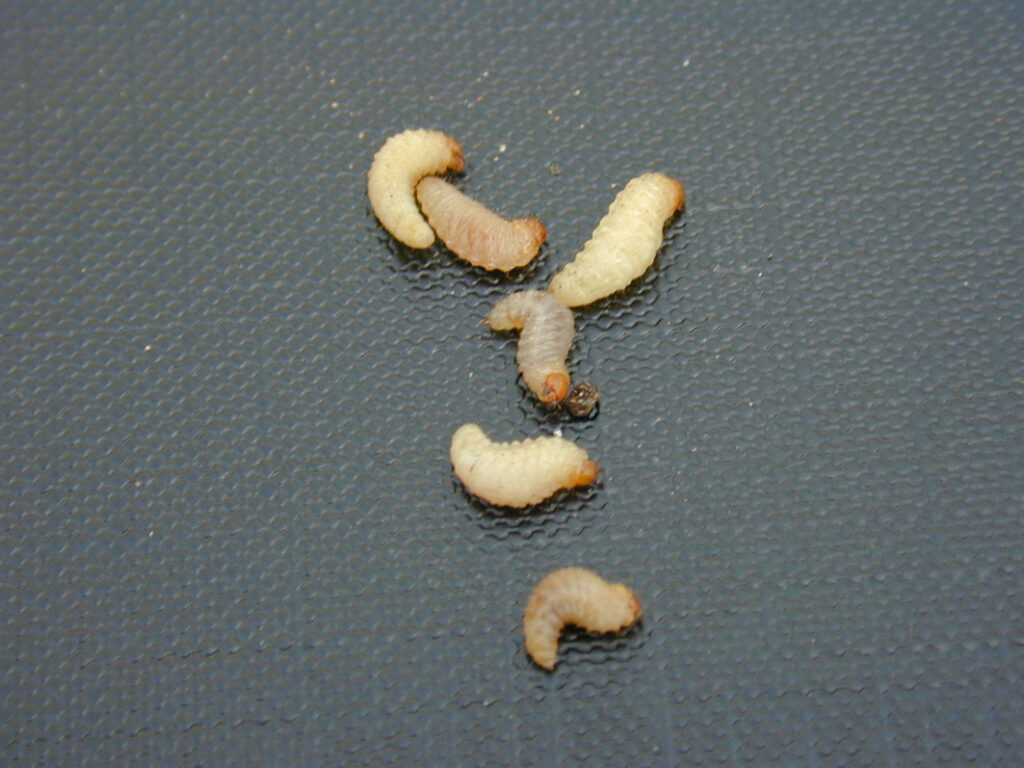
Even the larvae of this insect are harmful. They have a repulsive appearance, are white or flesh-colored, with a yellowish head that turns reddish-brown over time. They can be about 1 cm in size and prefer to attack plants at their roots, whether ornamental, edible, or fruit-bearing.
The Danger Oziorrinco Poses to Olive Trees
Oziorrinco is a significant threat to olive trees, which are widely cultivated in areas where this insect is present. It attacks the youngest and most vulnerable leaves of olive trees, as well as other plants, and devours them, causing extensive damage in one night with crescent-shaped holes that not only are aesthetically problematic but also compromise the plant’s photosynthetic capacity.
How to Fight Oziorrinco
Fighting Oziorrinco is challenging but not impossible. Various methods can be employed, including insecticides, biological warfare, and manual collection of adult insects.
Insecticides: A Quick Fix?
If you’re not afraid to use insecticides, products like Protect Garden Sanium found on Amazon can effectively combat Oziorrinco and other pests such as aphids and whiteflies. However, their effectiveness varies, especially when used alone for an extended period.
- Pros of using insecticides:
- Quick results
- Easy to use
- Effective against a wide range of pests
- Cons of using insecticides:
- Can harm beneficial insects and the environment
- May need to be reapplied frequently
- Can lead to pesticide resistance
Biological Warfare: The Natural Approach
For a more sustainable approach, biological warfare using substances containing high numbers of microscopic nematodes that feed on and reproduce inside Oziorrinco larvae can be effective. Biotop, which can be purchased on Amazon, is applied to the soil at the base of plants, offering a long-lasting solution.
- Pros of using biological warfare:
- Natural and non-toxic
- Can provide long-term protection
- Can target specific pests
- Cons of using biological warfare:
- May require more effort to implement
- Can be affected by weather conditions
Manual Collection: A Time-Consuming Method
Another method involves manually collecting adult Oziorrinco insects. This should be done at night, shaking branches and throwing the fallen bodies onto the ground after laying down plastic sheets under the plants. The fallen bodies must then be burned to ensure they do not pose a future threat.
- Pros of manual collection:
- Can provide targeted control
- Can be effective against large infestations
- Can reduce pesticide use
- Cons of manual collection:
- Time-consuming and labor-intensive
- May require multiple trips to collect all insects
- Can be physically demanding
Insecticidal Baits: A Less Effective Option
While there are products available for fighting Oziorrinco in an effective way, insecticidal baits have not been successful based on agricultural experience. Their activity lasts for at least 4 months but often coincide with the appearance of other pests, making them less than ideal.
- Pros of using insecticidal baits:
- Can provide long-term control
- Easy to use
- Can target specific pests
- Cons of using insecticidal baits:
- May not be effective against large infestations
- Can attract non-target pests
- May require repeated applications
Conclusion
Fighting Oziorrinco requires a well-planned approach that balances short-term needs with long-term sustainability. Biological warfare implemented for an extended period has shown considerable success, especially when considering the risks associated with chemical products.
Prevention is Key
Prevention is key to reducing the impact of Oziorrinco infestations. Regularly applying Biotop and using other biological warfare methods like manual collection of adult insects can help prevent damage to plants. Additionally, maintaining good garden hygiene practices such as removing weeds and debris, and avoiding over-watering can also help reduce the risk of Oziorrinco infestations.
Frequently Asked Questions
- Is Oziorrinco exclusive to Italy?
No, it is not exclusive to Italy; it can be found in other regions as well. - What are the best ways to prevent damage caused by Oziorrinco?
Prevention involves applying Biotop regularly and using other biological warfare methods like manual collection of adult insects. - Can I use insecticides for long-term control?
Insecticides can offer short-term relief but should not be used as a sole method due to the risk of further pest infestations. - Are there any natural substances that can kill Oziorrinco larvae?
Yes, nematodes found in Biotop are effective against Oziorrinco larvae and other pests. - How often do insecticides need to be reapplied for their full effectiveness?
Insecticides typically last for at least 4 months but may require repeated applications due to pest resurgence. - Is manual collection of adult insects a time-consuming process?
Yes, it is a more time-consuming method compared to other approaches like using Biotop or insecticides. - Can I use these methods for both ornamental and fruit-bearing plants?
While some methods like biological warfare and manual collection can be applied to various types of plants, caution should be exercised when dealing with fruit-bearing plants due to the risk of pesticide residues affecting edible produce. - How long do biological warfare methods take to show results?
The effectiveness of biological warfare methods may vary, but they generally offer longer-term solutions compared to chemical products.
Conclusion
By understanding Oziorrinco’s behavior and life cycle, you can develop a comprehensive strategy to fight it effectively. Whether using insecticides, biological warfare, or manual collection of adult insects, the key is to find a method that balances short-term needs with long-term sustainability.


