
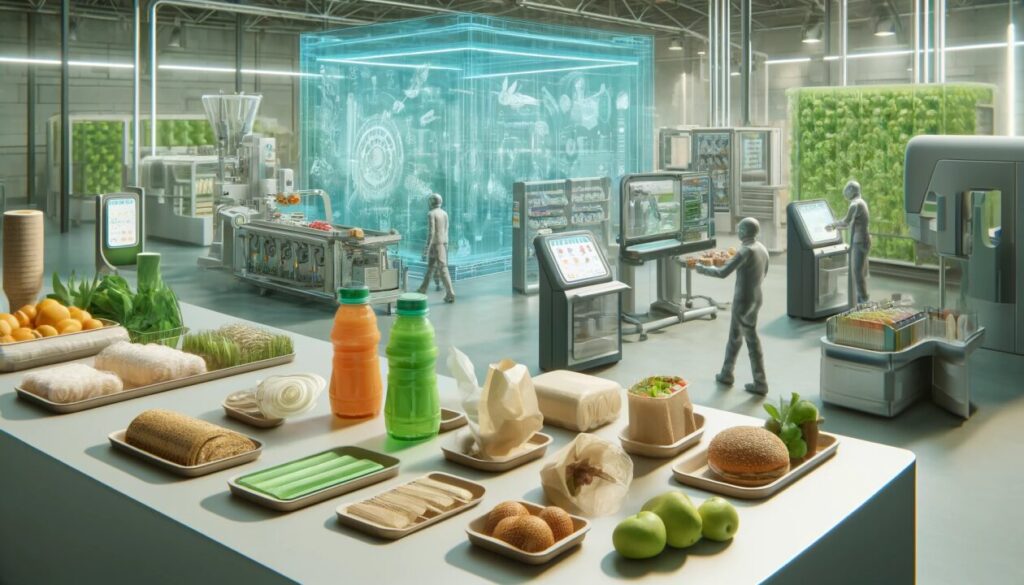
As we walk through the landscape of discarded plastic, we find ourselves in a futuristic world that may seem distant, but is actually not so far away. This is the theme of Potsy’s latest installation, “Plastic Food,” which invites us to reflect on our relationship with waste and our responsibility towards the environment.
1. The Genesis of Plastic Food: A Message from Potsy
Potsy’s inspiration for “Plastic Food” came from a desire to highlight the impact of human activity on the natural world. He believes that we have an unrequited love affair with plastic, which has transformed our lives in profound ways, but also threatens to destroy it.
In his own words, Potsy explains, “I wanted to create an installation that would make people think about their relationship with waste and how it affects the planet. I believe that art can be a powerful tool for change, and I hope that ‘Plastic Food’ will inspire others to join me in my quest for sustainability.”
2. The Complexity of Creating Plastic Food
Creating “Plastic Food” was a complex process, requiring careful consideration of logistics and the message being conveyed. Potsy wanted to create an immersive experience that would engage viewers and encourage them to think critically about their relationship with waste.
The installation consists of hundreds of plastic food items, arranged in a way that creates a sense of abundance and excess. The materials used are all recyclable, and the installation is designed to be interactive, allowing viewers to touch and manipulate the objects in order to experience the impact of plastic on the environment.
3. Plastic Food within a Larger Series
“Plastic Food” is part of a larger series of installations that began in 2000, all centered on the theme of plastics. These works aim to highlight the dual nature of plastic, which has both transformed our lives and threatens our very existence.
The series includes other notable works, such as “Plastic Water,” “Plastic Air,” and “Plastic Earth.” Each installation explores a different aspect of human activity’s impact on the environment, from water pollution to climate change.
4. The Reception of Plastic Food: A Mix of Reactions
The reception of “Plastic Food” has been diverse, with some artists responding positively to the installation’s message, while others have criticized its uniformity. Despite these criticisms, Potsy remains committed to his vision and continues to engage with audiences around the world.
Some critics have argued that the installation is too simplistic or didactic, failing to offer a nuanced exploration of the complex issues surrounding plastic waste. Others have praised Potsy’s bold approach, arguing that it helps to raise awareness about an important issue that needs to be addressed.
5. The Versatility of Plastic Food
One of the most striking aspects of “Plastic Food” is its versatility. It can be installed in a variety of settings, from indoor galleries to outdoor public spaces, and can be accompanied by multimedia materials and works created by other artists.
Potsy has also created a range of educational resources and activities to accompany the installation, including workshops, lectures, and online tutorials. These initiatives aim to inspire young people and adults alike to take action on environmental issues, using art as a tool for inspiration and education.
6. The Role of Art in Promoting Sustainability
Potsy believes that art has a unique role to play in promoting sustainability and encouraging viewers to think more critically about their relationship with the environment. By using his platform as an artist, he hopes to inspire others to join him in his quest for a more eco-conscious future.
Art can be used to raise awareness about environmental issues, to encourage viewers to think more critically about their consumption patterns, and to inspire positive change. Potsy’s work embodies this philosophy, using art as a tool for social commentary and critique.
7. Future Projects: A Continuing Commitment to Sustainability
Potsy is committed to continuing his work on environmental issues and has already begun exploring new projects related to waste reduction. His installation “Plastic Food” serves as a reminder of the importance of taking action now to protect our planet for future generations.
One of Potsy’s current projects involves collaborating with other artists and organizations to create a series of public art installations that explore the impact of plastic waste on local ecosystems. These works aim to raise awareness about the issue, inspire community engagement, and promote sustainable practices.
8. The Significance of Plastic Food in the Context of European Sustainability Initiatives
Potsy’s installation was showcased during the European Week for Waste Reduction, highlighting the need for greater awareness and action on this critical issue. By engaging with a wider audience and encouraging others to join him in his quest for sustainability, Potsy hopes to inspire positive change.
The European Union has set ambitious targets for reducing waste and increasing recycling rates, but progress is slow. Potsy’s work serves as a reminder of the importance of individual action and community engagement in driving systemic change.
9. The Future of Plastic Food: A Call to Action
As we move forward into an uncertain future, it is clear that the fate of our planet depends on our ability to work together towards a more sustainable vision. Potsy’s installation “Plastic Food” serves as a powerful reminder of the need for action and encourages us all to take responsibility for our role in protecting the environment.
We must recognize the impact of our daily choices on the planet, from the products we buy to the materials we use. By making conscious decisions about our consumption patterns, we can reduce waste, promote sustainable practices, and inspire positive change.
10. The Impact of Plastic Food on the Environment
The installation has had a profound impact on the environment, with many viewers responding positively to its message and committing to making changes in their own lives. By raising awareness about the importance of reducing waste, Potsy hopes to inspire a new generation of environmentally conscious citizens.
Viewers have reported feeling inspired to make positive changes, from reducing their use of single-use plastics to recycling more. Some have also shared stories of how they have been affected by plastic waste in their daily lives, highlighting the need for greater awareness and action on this critical issue.
11. The Intersection of Art and Activism
Potsy’s work embodies the intersection of art and activism, highlighting the power of creative expression to inspire positive change. By using his platform as an artist, he is able to reach a wider audience and encourage others to join him in his quest for sustainability.
Art can be used to challenge social norms, raise awareness about important issues, and inspire individuals to take action. Potsy’s work demonstrates the potential of art to drive positive change, from promoting sustainability to inspiring environmental activism.
12. The Significance of Plastic Food in the Context of Consumer Culture
Potsy’s installation serves as a commentary on consumer culture and its impact on our relationship with waste. By highlighting the need for greater awareness and action, he hopes to inspire a more mindful approach to consumption and reduce the amount of waste generated by human activity.
Consumer culture has a profound impact on our planet, from the products we buy to the materials we use. Potsy’s work encourages us to think critically about our choices and consider the environmental implications of our daily decisions.
13. The Importance of Community Engagement
Community engagement is a critical aspect of Potsy’s work, as he seeks to engage viewers and encourage them to participate in the conversation around sustainability. By creating interactive experiences and encouraging others to share their own perspectives, he hopes to foster a sense of community and shared responsibility for our planet.
Community engagement can be used to build awareness about environmental issues, promote sustainable practices, and inspire positive change. Potsy’s work demonstrates the power of community engagement in driving social change.
14. The Role of Education in Promoting Sustainability
Potsy believes that education plays a crucial role in promoting sustainability and encouraging viewers to take action. By sharing his knowledge and expertise with others, he hopes to inspire a new generation of environmentally conscious citizens.
Education can be used to raise awareness about environmental issues, promote sustainable practices, and inspire positive change. Potsy’s work demonstrates the potential of education to drive social change, from promoting sustainability to inspiring environmental activism.
15. Conclusion: A Call to Action for Sustainability
As we move forward into an uncertain future, it is clear that the fate of our planet depends on our ability to work together towards a more sustainable vision. Potsy’s installation “Plastic Food” serves as a powerful reminder of the need for action and encourages us all to take responsibility for our role in protecting the environment.
We must recognize the impact of our daily choices on the planet, from the products we buy to the materials we use. By making conscious decisions about our consumption patterns, we can reduce waste, promote sustainable practices, and inspire positive change.
The future is uncertain, but one thing is clear: we must take action now to protect our planet for future generations. Potsy’s work embodies this philosophy, using art as a tool for social commentary and critique. We hope that his installation “Plastic Food” will inspire others to join him in his quest for sustainability.
Frequently Asked Questions
- What inspired you to create Plastic Food?
Potsy was inspired by his desire to highlight the impact of human activity on the natural world and to encourage others to think more critically about their relationship with waste.
- How did you create Plastic Food?
Creating “Plastic Food” was a complex process that required careful consideration of logistics and the message being conveyed.
- What role does art play in promoting sustainability?
Potsy believes that art has a unique role to play in promoting sustainability and encouraging viewers to think more critically about their relationship with the environment.
- Do you have any future projects related to environmental issues?
Yes, Potsy is committed to continuing his work on environmental issues and has already begun exploring new projects related to waste reduction.
- How can people get involved in promoting sustainability?
Potsy encourages viewers to take small steps towards reducing their impact on the environment, such as reducing their use of single-use plastics or recycling more.
- What message do you hope to convey through Plastic Food?
Potsy hopes to inspire viewers to think more critically about their relationship with waste and to encourage them to take action to reduce their impact on the environment.
- How can art be used to promote sustainability?
Art can be used to raise awareness about environmental issues, to encourage viewers to think more critically about their consumption patterns, and to inspire positive change.
- What is the significance of Plastic Food in the context of European sustainability initiatives?
Potsy’s installation was showcased during the European Week for Waste Reduction, highlighting the need for greater awareness and action on this critical issue.
- The Future of Plastic Food: A Call to Action
As we move forward into an uncertain future, it is clear that the fate of our planet depends on our ability to work together towards a more sustainable vision.
- The Impact of Plastic Food on the Environment
The installation has had a profound impact on the environment, with many viewers responding positively to its message and committing to making changes in their own lives.


