
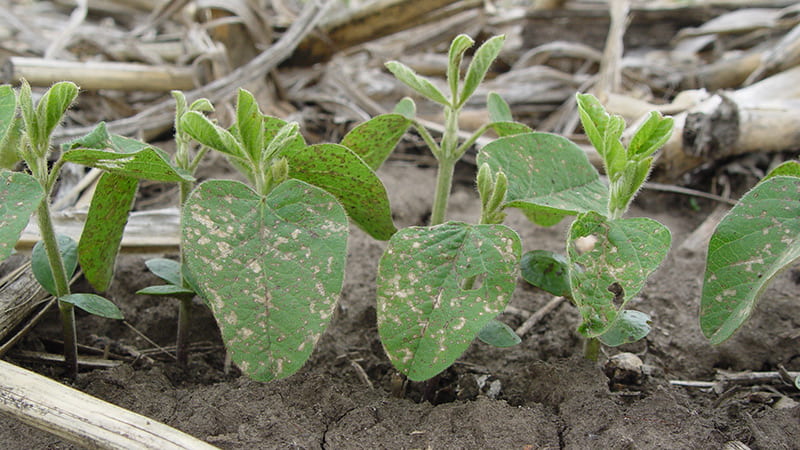
Understanding Plant Diseases: When the Cause Isn’t a Parasite
Plant diseases are often perceived as being caused by parasites, but the reality is more complex. Environmental factors can play a significant role in causing plant diseases, and it’s essential to understand these causes to prevent them.
The Most Common Causes of Plant Diseases
Before we dive into the specifics, let’s take a look at some of the most common causes of plant diseases:
- Watering problems (too little or too much water)
- Temperature fluctuations
- Light deficiency or excess
- Nutrient deficiencies or excesses
- Damage from pesticides
Watering Problems: The Double-Edged Sword
Water is essential for plant growth, but overwatering can be just as detrimental as underwatering. Prolonged standing water in the soil can cause root asphyxiation, leading to leaf and shoot degeneration and discoloration. On the other hand, a lack of water can lead to wilting and reduced resistance to pests.
Why Watering Problems Occur
Watering problems occur when plants are exposed to extreme temperatures, poor drainage, or inadequate soil moisture. This can be due to various factors such as:
- Weather conditions: heavy rainfall, droughts, or high winds
- Soil type: sandy, clayey, or loamy soils with different water-holding capacities
- Plant species: some plants are more tolerant of dryness than others
Temperature Fluctuations: A Major Cause of Stress
Plants are sensitive to temperature fluctuations, which can cause stress and lead to disease. If the temperature is too high, plants stop growing, delicate parts turn necrotic, and leaves, flowers, and fruits fall off. Similarly, if it’s too cold, leaves tend to yellow and curl up, germs struggle to open, and are prone to necrosis.
Why Temperature Fluctuations Occur
Temperature fluctuations occur due to various factors such as:
- Weather conditions: temperature drops or rises rapidly
- Climate change: changing weather patterns and temperature regimes
- Indoor conditions: heating or cooling systems that cause temperature fluctuations
Light Deficiency or Excess: A Delicate Balance
Plants need light to grow, but excessive light can be harmful. Shade-loving plants that normally live in shaded areas can be damaged by too much light exposure, leading to burns, discoloration, and shriveling of leaves. On the other hand, a lack of light can cause plants to stretch abnormally and anemically, germs are weak and stunted.
Why Light Deficiency or Excess Occur
Light deficiency or excess occurs due to various factors such as:
- Weather conditions: shading from clouds or overcast skies
- Indoor conditions: lighting in offices or homes that is too intense or dim
- Plant species: some plants require more light than others
Nutrient Deficiencies or Excesses: A Common Problem
Overfertilization or underfertilization can be a major problem for houseplants. Excessive care can lead to “fat” plants that can’t grow and become unbalanced, leading to leaf, germ, and flower necrosis. On the other hand, a lack of nutrients can slow down growth and cause color changes in leaves.
Why Nutrient Deficiencies or Excesses Occur
Nutrient deficiencies or excesses occur due to various factors such as:
- Soil type: nutrient-rich soil that is prone to overfertilization
- Fertilizer usage: improper fertilizer application
- Plant species: some plants require more nutrients than others
Damage from Pesticides: A Hidden Dangers
Pesticides are often used to treat fungal infestations or parasitic pests, but they can also cause plant diseases. Symptoms can include leaf necrosis, discoloration, or unusual colorations depending on the substance used. It’s essential to follow dosages and instructions on pesticide labels and never apply substances in direct sunlight or during hottest parts of the day.
Why Pesticides Cause Damage
Pesticides cause damage due to various factors such as:
- Overuse: excessive application of pesticides
- Inadequate labeling: failure to follow instructions on pesticide labels
- Environmental factors: wind, rain, and other environmental conditions that affect pesticide efficacy
Preventing Plant Diseases
By understanding the causes of plant diseases and taking steps to prevent them, you can keep your plants healthy and thriving. Here are some tips:
- Water plants carefully, taking into account their specific needs
- Provide plants with the right temperature and light conditions
- Fertilize plants regularly but avoid overfertilizing
- Use pesticides judiciously and follow instructions on labels
Frequently Asked Questions
Q: What is the most common cause of plant diseases?
A: Watering problems, specifically overwatering or underwatering.
Q: How can I prevent plant diseases caused by temperature fluctuations?
A: By providing plants with a consistent temperature range and avoiding sudden changes.
Q: Can I use pesticides to treat fungal infestations?
A: Yes, but always follow dosages and instructions on labels, and avoid applying substances in direct sunlight or during hottest parts of the day.
Q: How can I prevent nutrient deficiencies or excesses?
A: By fertilizing plants regularly and avoiding overfertilization.
Q: What is the best way to care for my houseplants?
A: By providing them with the right temperature, light, water, and fertilizer conditions, and regular maintenance.


