
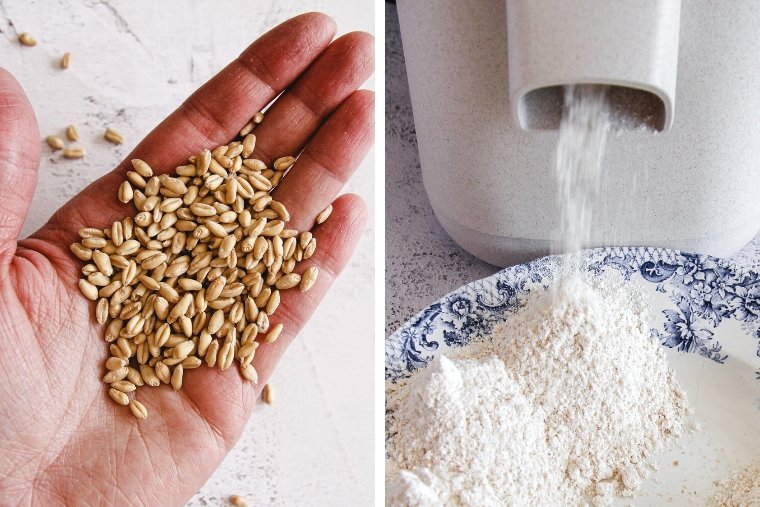
Making flour at home is a simple yet rewarding process that allows you to control the quality and ingredients of your baked goods. In this article, we will explore the benefits of making your own flour, discuss the various types of flours that can be made at home, and provide guidance on how to get started.
Why Make Your Own Flour?
There are several reasons why you should consider making your own flour at home:
- Cost-effectiveness: Making your own flour can be a cost-effective alternative to buying commercial flour. The cost of ingredients can be significantly lower than the price of high-quality commercial flour.
- Nutritional benefits: Many commercial flours contain additives and preservatives that can have negative health effects. By making your own flour, you can control the ingredients and avoid these additives.
- Flavor: Homemade flour often has a more complex flavor profile than commercial flour, which can add depth and richness to your baked goods.
Types of Flours That Can Be Made at Home
There are many types of flours that can be made at home, including:
- Grain flours: These include flours made from grains such as wheat, rye, barley, and oats.
- Legume flours: These include flours made from legumes such as beans, lentils, and peas.
- Nut flours: These include flours made from nuts such as almonds, hazelnuts, and walnuts.
- Seed flours: These include flours made from seeds such as sunflower seeds, pumpkin seeds, and chia seeds.
Some examples of homemade flour types are:
- Whole wheat flour
- Oat flour
- Rye flour
- Almond flour
Factors to Consider When Making Flour at Home
When making flour at home, there are several factors to consider:
- Grain quality: The quality of the grains used will affect the flavor and nutritional content of your flour.
- Milling method: The method used to mill the grains can affect the texture and consistency of your flour.
- Additives: You may want to add ingredients such as salt, sugar, or yeast to enhance the flavor and texture of your flour.
How to Make Flour at Home
Making flour at home is a simple process that requires:
- Gathering ingredients: Collect the grains, nuts, seeds, or legumes you want to use.
- Cleaning and drying: Clean and dry the ingredients before milling them into flour.
- Milling: Use a mill or blender to grind the ingredients into flour.
Here are some examples of homemade flour recipes:
- Whole wheat flour
- Ingredients: whole wheat grains, water
- Instructions: Grind the whole wheat grains in a mill or blender until they become flour.
- Oat flour
- Ingredients: oats, water
- Instructions: Grind the oats in a mill or blender until they become flour.
Tips and Tricks for Making Flour at Home
Tips:
- Use the right equipment: A grain mill or high-powered blender is necessary for grinding grains into flour.
- Store your flour properly: Store your homemade flour in an airtight container to maintain freshness and quality.
- Experiment with different grains: Try experimenting with different types of grains to create unique flavor profiles.
Tricks:
- Dry the grains before milling: Dry the grains thoroughly before milling to prevent moisture from affecting the texture of the flour.
- Milling order matters: The order in which you mill your grains can affect the final product. For example, milling oats first and then wheat may result in a coarser flour than milling wheat first.
Common Challenges When Making Flour at Home
Common challenges:
- Getting the right consistency: Achieving the right texture and consistency in your homemade flour can be challenging.
- Flavor issues: Flavor profiles can vary greatly depending on the type of grain used, so it may take some trial and error to find the perfect flavor for your baked goods.
Solutions:
- Adjust your milled grains: Adjust the amount or order in which you mill your grains to achieve the right consistency.
- Additives can help: Additives such as salt or sugar can enhance the flavor profile of your flour and make it more palatable.
Conclusion
Making flour at home is a simple and rewarding process that allows you to control the quality and ingredients of your baked goods. With a little practice and patience, you can create a variety of flours that will elevate your baking to new heights.
Frequently Asked Questions
Q: What are the benefits of making my own flour?
A: Making your own flour can be cost-effective, nutritional, and flavorful.
Q: Which types of grains can I use to make flour at home?
A: You can use a variety of grains such as wheat, rye, barley, oats, legumes, nuts, seeds, and more.
Q: How do I mill the grains into flour?
A: You can use a mill or blender to grind the grains into flour. The method used will depend on the type of grain and desired texture.
Q: Can I add ingredients to my homemade flour?
A: Yes, you can add ingredients such as salt, sugar, yeast to enhance the flavor and texture of your flour.
Q: What are some examples of homemade flour recipes?
A: Some examples include whole wheat flour, oat flour, almond flour, and more.


