
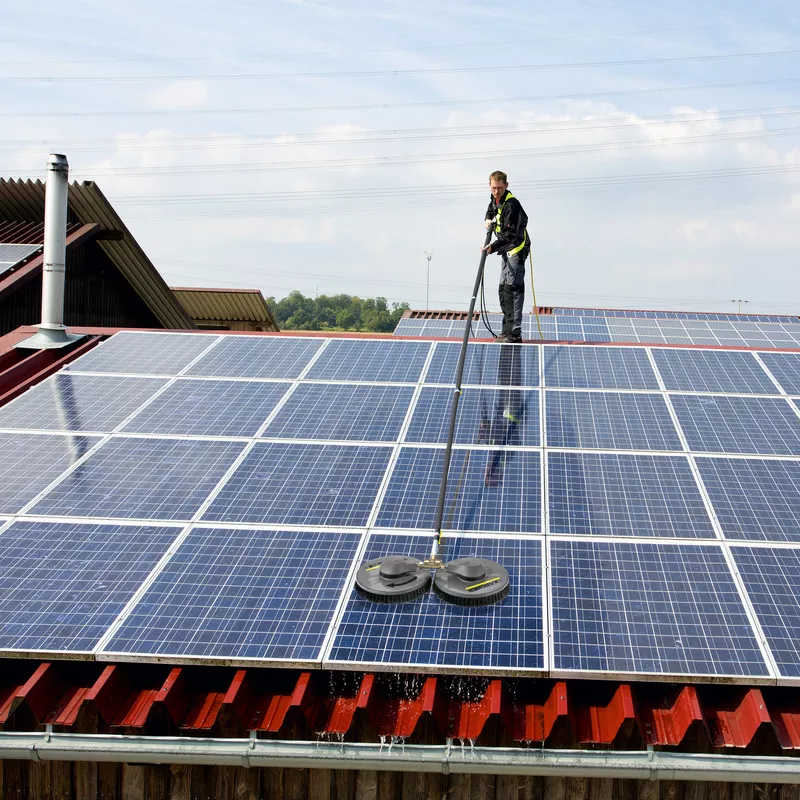
As the world shifts towards renewable energy sources, maintaining your solar panel system is crucial for optimal performance. One often overlooked aspect of maintenance is cleaning the panels themselves. In this article, we’ll delve into the importance of cleaning solar panels, discuss methods and techniques, and provide tips on how to keep your system running smoothly.
Why Clean Solar Panels?
While rain can clean solar panels, it’s not always effective in removing all debris and pollutants that can reduce their efficiency. Leaf buildup, pollen, dust, and other environmental factors can accumulate on the panels, causing a significant loss of energy production. In areas with high agricultural activity or near natural habitats, this problem is especially pronounced.
For instance, in regions like California’s Central Valley or Florida’s citrus groves, debris can accumulate quickly due to the abundance of vegetation. If left unchecked, these issues can lead to:
- Reduced energy production: A dirty solar panel system can reduce energy output by up to 30%, resulting in higher electricity bills and reduced savings.
- Increased maintenance costs: Cleaning and repairing damaged panels can be costly, especially if they’re exposed to harsh weather conditions or require replacement.
- Potential damage to the panel surfaces: Leaves, branches, and other debris can cause scratches, cracks, or even punctures on the solar panels, leading to electrical shorts and system failure.
Target Areas for Cleaning
Solar panel cleaning is essential in agricultural areas and rural zones where debris can accumulate quickly. Vegetation like leaves, grasses, and branches can create an ideal environment for pests to thrive, further compromising the system’s performance. In these regions, regular cleaning can help prevent:
- Reduced energy production: By keeping the panels clean, you can ensure maximum energy output and reduce your reliance on the grid.
- Increased maintenance costs: Regular cleaning can help detect potential issues early on, reducing the need for costly repairs or replacements.
- Potential damage to the panel surfaces: Cleaning debris from the panels can prevent scratches, cracks, or punctures that can lead to electrical shorts and system failure.
Traditional Cleaning Methods
Using a soft-bristled broom or specialized cleaning tools like gentle brushes or leaf removers are effective for removing debris and vegetation from solar panels. For more intricate cleaning tasks, a microfiber cloth and water can be used. Be cautious when using these methods, as rough scrubbing or excessive water pressure can damage the panel surfaces.
Some popular traditional cleaning methods include:
- Soft-bristled broom: Use a soft-bristled broom to gently sweep away debris from the panels.
- Leaf removers: Specialized leaf removers are designed specifically for solar panels and can be an effective way to remove leaves and other debris.
- Microfiber cloth: A microfiber cloth and water can be used to clean the panels, but be sure to use gentle circular motions and avoid applying too much pressure.
The No-Go List
When it comes to cleaning solar panels, there are certain substances and methods that should never be used:
- Abrasive materials: Avoid using abrasive materials like sandpaper or steel wool, as they can scratch or damage the panel surfaces.
- High-pressure washes: High-pressure washes can dislodge debris from the panels but also risk damaging the surfaces or washing away cleaning solutions.
- Harsh chemicals: Never use harsh chemicals, such as bleach or ammonia, to clean your solar panels. These can cause irreversible damage to the panel surfaces or harm the environment.
- Domestic detergents: Avoid using domestic detergents, like dish soap or laundry detergent, to clean your solar panels. These can leave residue on the surfaces and reduce their efficiency.
Monitoring Your System’s Performance
Regular monitoring of your solar panel system is vital for identifying potential issues before they become major problems. Tools like energy monitoring devices can provide valuable insights into:
- Energy production: By tracking your energy output, you can identify areas where your system may be underperforming and adjust your cleaning schedule accordingly.
- Irradiation levels: Monitoring irradiation levels can help you optimize your system’s performance and ensure maximum energy output during periods of high sunlight.
- Temperature fluctuations: Tracking temperature fluctuations can help you detect potential issues with your system, such as overheating or cooling issues.
By regularly reviewing these metrics, you can:
- Optimize system performance: By identifying areas where your system may be underperforming, you can adjust your cleaning schedule and optimize energy output.
- Identify areas for improvement: Regular monitoring can help you identify potential issues before they become major problems, allowing you to make informed decisions about maintenance and upgrades.
- Make informed decisions about maintenance and upgrades: By tracking your system’s performance, you can make informed decisions about when to perform routine maintenance or upgrade your system.
Inspections and Maintenance
Regular inspections by trained professionals are essential to detect potential issues before they escalate. A thorough examination can help identify:
- Fractures or damage on the panel surfaces: Regular inspections can help detect fractures or damage on the solar panels, which can lead to electrical shorts and system failure.
- Corrosion or other forms of degradation: Inspectors can check for corrosion or other forms of degradation that may have occurred due to exposure to harsh weather conditions.
By catching these problems early, you can:
- Prevent costly repairs: Regular inspections can help prevent costly repairs by detecting potential issues before they become major problems.
- Ensure optimal system performance: By identifying and addressing issues promptly, you can ensure your solar panel system operates at peak efficiency.
Best Practices for Cleaning Solar Panels
To keep your solar panels clean and efficient, follow these guidelines:
- Regularly inspect and clean the panels to remove debris and pollutants
- Use gentle cleaning tools and methods to avoid damage
- Monitor your system’s performance regularly to identify potential issues
- Consider hiring a professional for regular inspections and maintenance
Some additional best practices include:
- Clean your solar panels during cooler parts of the day to prevent heating up the surfaces
- Avoid using water or cleaning solutions that can cause streaks or residue on the panel surfaces
- Regularly inspect your system’s wiring and connections to ensure they remain secure and free from damage.
By following these tips and best practices, you can enjoy a cleaner, more efficient solar panel system that produces maximum energy while minimizing maintenance costs.
Frequently Asked Questions (FAQs)
- How often should I clean my solar panels?
Regular cleaning is essential to maintain optimal performance. Check your system’s monitoring data to determine the frequency of cleaning based on your location and usage patterns. - Can I use regular household cleaners to clean my solar panels?
No, avoid using domestic detergents or harsh chemicals, as they can damage the panel surfaces. Instead, opt for gentle cleaning methods with mild soap and water. - How do I remove stubborn debris from my solar panels?
For tough debris like leaves or branches, consider using specialized tools or consulting a professional for assistance. - What are some common mistakes to avoid when cleaning solar panels?
Rough scrubbing, excessive water pressure, and the use of abrasive materials can all lead to damage or system failure. Be gentle and cautious when cleaning your solar panels. - Can I clean my solar panels during inclement weather?
No, avoid cleaning your solar panels in heavy rain, high winds, or extreme temperatures. These conditions can cause damage to the panels or disrupt their performance.
By understanding the importance of cleaning solar panels and following these guidelines, you can enjoy a cleaner, more efficient renewable energy system that benefits your home, business, or community.


