
Introduction
In recent years, the red clover (Trifolium pratese) has gained popularity in the Western world as a natural remedy for various health issues. Native to India, this herb has been used in traditional medicine for its numerous benefits, including alleviating menopausal symptoms, reducing inflammation, and promoting relaxation. In this article, we will delve into the properties, benefits, and precautions of red clover, helping you understand whether it’s a suitable addition to your health regimen.
What is Red Clover?
Red clover is an herbaceous plant that belongs to the Leguminosae family. Its leaves are adorned with small flowers that attract pollinators, making it a popular choice for gardens and landscaping. In Italy, red clover is commonly cultivated as a forage crop or used in domestic settings as a substitute for grass.
Growing Red Clover
Growing red clover is relatively easy. It thrives in well-draining soil with a pH range of 5 to 7.5. You can sow seeds directly in the field in spring or plant them between September and October in Southern Italy, before the winter sets in. Additionally, red clover acts as a green manure crop, absorbing significant amounts of nitrogen from the soil and releasing it during leaf fall.
Properties and Benefits
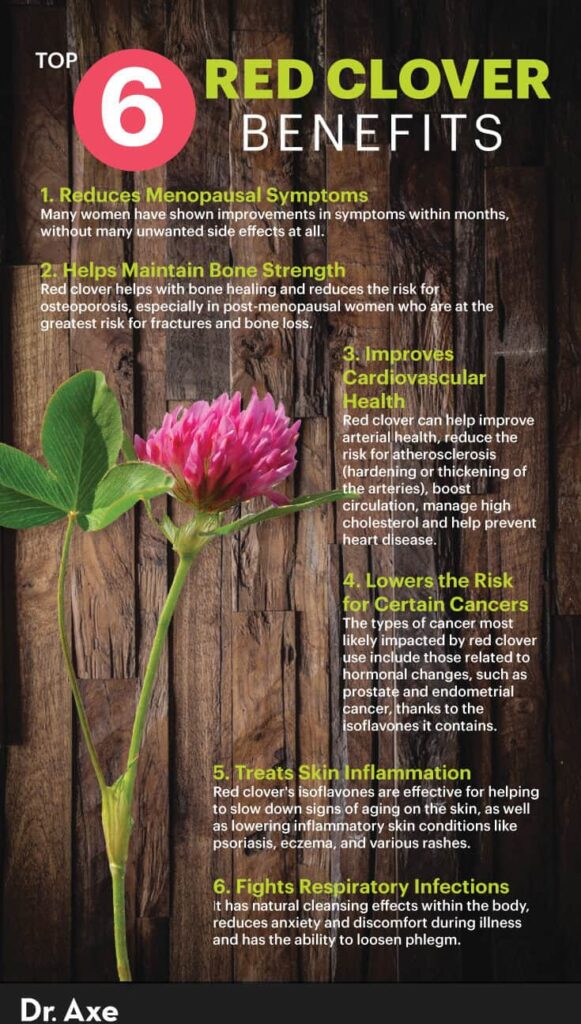
Red clover is prized for its numerous properties and benefits, including:
- Antispasmodic
- Sedative
- Anti-inflammatory
- Antidyspeptic
In traditional Indian medicine, red clover is used to treat various ailments, such as:
- Menopausal symptoms
- Throat problems
- Lymphatic disorders
- Thyroid issues
How Does Red Clover Work?
Red clover contains coumestrol, a phytoestrogen that binds to estrogen receptors in the body. This interaction helps alleviate menopausal symptoms, such as hot flashes and night sweats.
Nutritional Value
Red clover is rich in vitamins A, B12, E, K, and C, as well as essential minerals like calcium, phosphorus, potassium, magnesium, and chromium. Its high isoflavone content provides potent antioxidant properties, which can help combat free radicals in the body.
Precautions and Contraindications
While red clover has numerous benefits, it’s not without its drawbacks. Some potential side effects include:
- Rash or skin irritation
- Muscle pain
- Nausea
- Headaches
Additionally, red clover may interact with certain medications, such as blood thinners, and is contraindicated in women with a history of breast cancer, endometriosis, ovarian cancer, uterine cancer, fibroids, and other estrogen-sensitive conditions.
Red Clover and Weight Gain
There is no conclusive evidence linking red clover to increased fat accumulation. However, its phytoestrogenic properties may affect weight distribution in some individuals.
Precautions for Pregnant Women
Due to its phytoestrogenic properties, it’s recommended to avoid using red clover during pregnancy.
Precautions for Breast Cancer Patients
Red clover is contraindicated in women with a history of breast cancer due to its estrogenic properties.
Conclusion
In conclusion, red clover is a multifaceted herb with a rich history of traditional use. Its benefits, effects, and precautions should be carefully considered before incorporating it into your health regimen. As with any natural remedy, consult with a healthcare professional before using red clover, especially if you have pre-existing medical conditions or are taking medications.
Frequently Asked Questions
- Is red clover safe to use during pregnancy?
No, due to its phytoestrogenic properties, it’s recommended to avoid using red clover during pregnancy. - Can I grow my own red clover at home?
Yes, you can cultivate red clover in your garden or backyard. It thrives in well-draining soil and full sun. - How do I prepare red clover tea?
Steep 1-2 teaspoons of dried red clover flowers in a cup of boiling water for 5-7 minutes. - Can I use red clover topically?
Yes, red clover can be used as a topical application for skin irritations and minor cuts. - Are there any potential interactions with medications?
Red clover may interact with blood thinners and is contraindicated in women with a history of estrogen-sensitive conditions. - Can I consume red clover tea during menstruation?
Yes, but it’s recommended to drink it in moderation due to its estrogenic properties. - Is red clover effective in reducing inflammation?
Yes, red clover contains anti-inflammatory compounds that may help alleviate joint pain and swelling. - Can I use red clover as a natural remedy for thyroid issues?
Some studies suggest that red clover’s phytoestrogenic properties may help regulate thyroid function, but more research is needed to confirm its effectiveness.
Precautions for Menopausal Women
Menopausal women should consult with their healthcare provider before using red clover, as it may exacerbate hot flashes and night sweats.
Conclusion
In conclusion, red clover is a multifaceted herb with a rich history of traditional use. Its benefits, effects, and precautions should be carefully considered before incorporating it into your health regimen. As with any natural remedy, consult with a healthcare professional before using red clover, especially if you have pre-existing medical conditions or are taking medications.
Frequently Asked Questions
- Is red clover safe to use during pregnancy?
No, due to its phytoestrogenic properties, it’s recommended to avoid using red clover during pregnancy. - Can I grow my own red clover at home?
Yes, you can cultivate red clover in your garden or backyard. It thrives in well-draining soil and full sun. - How do I prepare red clover tea?
Steep 1-2 teaspoons of dried red clover flowers in a cup of boiling water for 5-7 minutes. - Can I use red clover topically?
Yes, red clover can be used as a topical application for skin irritations and minor cuts. - Are there any potential interactions with medications?
Red clover may interact with blood thinners and is contraindicated in women with a history of estrogen-sensitive conditions. - Can I consume red clover tea during menstruation?
Yes, but it’s recommended to drink it in moderation due to its estrogenic properties. - Is red clover effective in reducing inflammation?
Yes, red clover contains anti-inflammatory compounds that may help alleviate joint pain and swelling. - Can I use red clover as a natural remedy for thyroid issues?
Some studies suggest that red clover’s phytoestrogenic properties may help regulate thyroid function, but more research is needed to confirm its effectiveness.
Precautions for Breast Cancer Patients
Red clover is contraindicated in women with a history of breast cancer due to its estrogenic properties.
Conclusion
In conclusion, red clover is a multifaceted herb with a rich history of traditional use. Its benefits, effects, and precautions should be carefully considered before incorporating it into your health regimen. As with any natural remedy, consult with a healthcare professional before using red clover, especially if you have pre-existing medical conditions or are taking medications.
Frequently Asked Questions
- Is red clover safe to use during pregnancy?
No, due to its phytoestrogenic properties, it’s recommended to avoid using red clover during pregnancy. - Can I grow my own red clover at home?
Yes, you can cultivate red clover in your garden or backyard. It thrives in well-draining soil and full sun. - How do I prepare red clover tea?
Steep 1-2 teaspoons of dried red clover flowers in a cup of boiling water for 5-7 minutes. - Can I use red clover topically?
Yes, red clover can be used as a topical application for skin irritations and minor cuts. - Are there any potential interactions with medications?
Red clover may interact with blood thinners and is contraindicated in women with a history of estrogen-sensitive conditions. - Can I consume red clover tea during menstruation?
Yes, but it’s recommended to drink it in moderation due to its estrogenic properties. - Is red clover effective in reducing inflammation?
Yes, red clover contains anti-inflammatory compounds that may help alleviate joint pain and swelling. - Can I use red clover as a natural remedy for thyroid issues?
Some studies suggest that red clover’s phytoestrogenic properties may help regulate thyroid function, but more research is needed to confirm its effectiveness.
Precautions for Breast Cancer Patients
Red clover is contraindicated in women with a history of breast cancer due to its estrogenic properties.
Conclusion
In conclusion, red clover is a multifaceted herb with a rich history of traditional use. Its benefits, effects, and precautions should be carefully considered before incorporating it into your health regimen. As


