
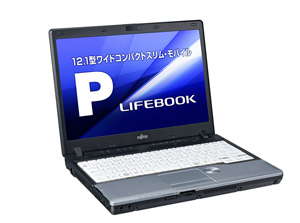
In the digital age, we’ve seen a rapid decline in the use of traditional media like CDs and DVDs. Our music and video preferences have shifted towards streaming services, and CD sales have plummeted. But what’s happened to these old discs? Fujitsu has taken steps to address this issue by repurposing recycled CDs and DVDs into notebook computers.
The Problem with Obsolete Media
We’ve all been there – stuck in a crowded store, surrounded by stacks of outdated CDs and DVDs. It’s hard to imagine a time when these media were the norm. But despite their obsolescence, they still pose an environmental threat. The production process for new electronics requires massive amounts of raw materials, contributing to waste and pollution.
The Environmental Impact of Obsolete Media
The statistics are staggering: over 100 million CDs and DVDs are discarded every year in the United States alone. This generates a significant amount of electronic waste (e-waste), which contains toxic substances like lead, mercury, and cadmium. These hazardous materials can contaminate soil and water if not disposed of properly.
The Rise of Sustainable Computing
Fujitsu has taken a proactive approach to reducing e-waste by repurposing recycled CDs and DVDs into notebook computers. This innovative solution not only reduces plastic waste but also decreases greenhouse gas emissions by 15%. By embracing sustainable computing practices, Fujitsu is setting a new standard for the industry.
How it Works
Fujitsu’s recycling process involves careful examination of the materials used in CD and DVD production. The company has developed a database to assess the chemical composition of these materials, ensuring that the recycled notebook computers meet rigorous safety standards. This quality control measures allows Fujitsu to reduce its environmental impact while producing reliable and efficient devices.
The Benefits of Recycling
Recycling is essential for reducing waste and conserving natural resources. By repurposing existing materials, we can significantly decrease the demand for raw materials needed for production. This approach also reduces energy consumption, which contributes to greenhouse gas emissions. Fujitsu’s efforts demonstrate a commitment to reducing e-waste while promoting eco-friendly practices.
A New Era for Notebook Design
CDs and DVDs are being repurposed as the outer casing material for new notebook computers. This approach reduces plastic waste by up to 10 tons per year. The recycled materials used in this process have already been successfully integrated into Fujitsu’s LIFEBOOK P772 Fuji line of notebooks.
The Future of Sustainable Computing
Fujitsu’s pioneering efforts have set a new standard for the industry. As consumers demand more eco-friendly products, companies must adapt to meet these changing expectations. By embracing innovative recycling methods like Fujitsu’s, we can create a more sustainable future for computing.
Key Benefits of Sustainable Computing
• Reduced plastic waste by 10 tons per year
• Decreased greenhouse gas emissions by 15%
• High-quality notebook computers produced using recycled materials
Challenges and Limitations
While Fujitsu’s approach is innovative, there are challenges and limitations to consider. The cost of recycling CDs and DVDs can be high, making it less competitive with traditional production methods. Additionally, the quality of recycled materials may vary, which can impact the performance of the final product.
FAQs: The Future of Sustainable Computing
- What is Fujitsu’s recycling process?
Fujitsu has developed a database to assess the chemical composition of CDs and DVDs, ensuring that the recycled materials meet safety standards. - How does Fujitsu reduce plastic waste?
By repurposing CD and DVD materials as notebook casings, reducing plastic waste by up to 10 tons per year. - What is the environmental impact of electronic waste?
The production process for new electronics requires massive amounts of raw materials, contributing to waste and pollution. - How does Fujitsu’s approach promote sustainable computing?
By repurposing existing materials, reducing waste and conserving natural resources. - Can I recycle my old CDs and DVDs?
Yes, Fujitsu accepts recycled CD and DVD materials for its notebook production process. - What is the future of electronic waste management?
As consumers become increasingly aware of their environmental footprint, companies must adapt to meet these changing demands. - How can I support sustainable computing practices?
By choosing eco-friendly products and supporting companies that prioritize sustainability.
The Importance of Sustainable Computing
Sustainable computing is essential for reducing e-waste and conserving natural resources. By embracing innovative recycling methods like Fujitsu’s, we can create a more sustainable future for computing. As consumers demand more eco-friendly products, companies must adapt to meet these changing expectations.
Conclusion
Fujitsu’s pioneering efforts have set a new standard for the industry. By repurposing recycled CDs and DVDs into notebook computers, the company has demonstrated a commitment to reducing e-waste while promoting eco-friendly practices. As we move forward in the digital age, it’s essential that companies like Fujitsu continue to innovate and prioritize sustainable computing practices.
Recommendations
- Support companies that prioritize sustainability: By choosing eco-friendly products and supporting companies that prioritize sustainability, consumers can encourage innovation and reduce e-waste.
- Develop new recycling technologies: Companies must invest in research and development of new recycling technologies to improve the efficiency and effectiveness of electronic waste management.
- Raise awareness about e-waste: Educating consumers about the environmental impact of electronic waste is essential for promoting sustainable computing practices.
The Future of Sustainable Computing: A Call to Action
As we move forward in the digital age, it’s essential that companies like Fujitsu continue to innovate and prioritize sustainable computing practices. By embracing innovative recycling methods like Fujitsu’s, we can create a more sustainable future for computing. The time has come to take action – let’s work together to reduce e-waste and promote eco-friendly practices.


