
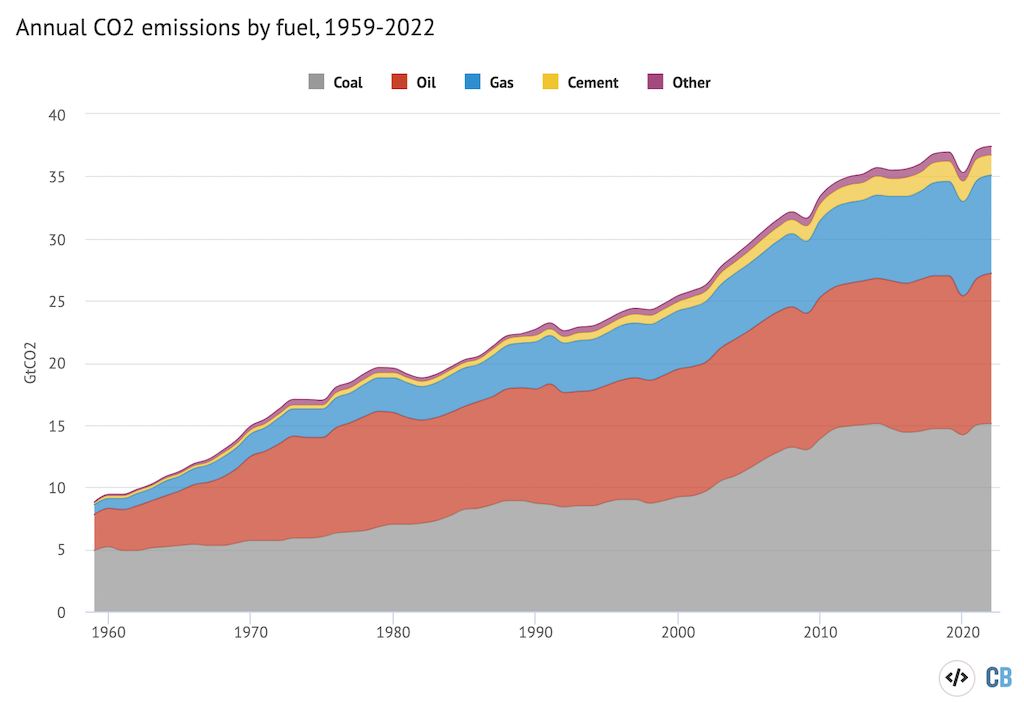
The world is at a crossroads, with the pursuit of efficiency and sustainability driving innovation in the energy sector. However, despite efforts to reduce harmful emissions, the International Energy Agency (IEA) has just reported a new record of global emissions.
While progress has been made in reducing carbon dioxide emissions, these have continued to increase alarmingly, reaching a record high in 2011. According to initial estimates from the IEA, there was a 3.2% increase in CO2 emissions, with a total of 31.6 billion tons emitted that year.
So, what’s driving this surge? The growing demand for fossil fuels is largely to blame, with the rapid industrialization of countries like China and India contributing significantly. The sources of carbon dioxide account for 45% of total emissions, followed by petroleum at 35%, and natural gas at 20%. These estimates are based on a report from the IEA, which provides valuable insights into global energy trends.
The Link Between CO2 Emissions and Global Warming
These statistics raise concerns about the potential impact on global warming. The estimated increase of 2°C is considered a critical threshold, beyond which climate change will become even more severe. However, there are still hopes that we can avoid this scenario, with a 50% chance of preventing it.
But what does this mean for our economies? The IEA report also explores the relationship between CO2 emissions and economic growth. While the global GDP has grown, so have carbon dioxide emissions, suggesting that our pursuit of energy is coming at a significant environmental cost.
The Top Emitters
The top emitters are well-known, with China and India leading the pack. However, there’s some good news on the horizon. China has already begun to implement measures aimed at increasing efficiency in its energy sector, which should help reduce its carbon footprint.
In stark contrast, India’s emissions have skyrocketed by 140 million tons, while the United States has made significant strides, reducing CO2 emissions by 92 million tons. Europe is also making progress, but there are concerns about Japan’s emissions, which have increased due to the closure of the Fukushima nuclear plant.
A Beacon of Hope
There are still reasons for optimism, however. The adoption of solar energy in Japan has sparked a new wave of innovation, with plans underway to build massive solar parks. As we look to the future, it’s clear that sustainable energy is not just a moral imperative, but an economic necessity.
In addition, countries like Costa Rica and Norway are leading by example, investing heavily in renewable energy sources and reaping the benefits of a cleaner environment. These examples show that there are many ways to reduce emissions without sacrificing economic growth or quality of life.
The Role of Policy in Shaping Emissions
Policy plays a crucial role in shaping global emissions trends. Governments can implement policies aimed at increasing energy efficiency, promoting renewable energy sources, and regulating the use of fossil fuels. For example, carbon pricing mechanisms like cap-and-trade systems have been shown to be effective in reducing emissions.
In addition, governments can invest in research and development, supporting innovative technologies that can help reduce emissions. This could include advanced nuclear power, hydrogen fuel cells, or other clean energy technologies.
The Importance of International Cooperation
International cooperation is also essential for addressing the global emissions challenge. The Paris Agreement, which aims to limit warming to 1.5°C above pre-industrial levels, sets a clear framework for countries to work together on reducing emissions.
However, despite these efforts, there are still significant gaps in global action. Developing countries, in particular, require support and resources to develop their own low-carbon economies. This could include providing access to clean energy technologies, promoting sustainable land use practices, and supporting climate-resilient infrastructure.
The Economic Benefits of Sustainable Energy
While the costs of transitioning to a low-carbon economy are significant, the economic benefits are substantial. According to estimates by the International Renewable Energy Agency (IRENA), the transition to 100% renewable energy could create up to 24 million new jobs globally by 2030.
In addition, sustainable energy can also help reduce energy poverty, improving the lives of millions of people worldwide. This is particularly important for developing countries, where access to reliable and affordable energy is often limited.
Conclusion
The IEA report highlights the urgent need for collective action to address global emissions and mitigate the effects of climate change. By embracing sustainable energy sources and reducing our reliance on fossil fuels, we can create a brighter future for generations to come.
In conclusion, the record high in CO2 emissions serves as a wake-up call for governments, businesses, and individuals around the world. It’s time to take action, investing in renewable energy sources, increasing energy efficiency, and promoting sustainable land use practices.
Only through collective action can we hope to avoid the worst impacts of climate change, create a more equitable and sustainable future, and ensure that our pursuit of energy is guided by economic necessity rather than environmental degradation.
Frequently Asked Questions
- What are the main drivers of global CO2 emissions?
The main drivers of global CO2 emissions are the growing demand for fossil fuels, particularly coal, petroleum, and natural gas. - How have global emissions changed over time?
Global CO2 emissions have continued to increase alarmingly since 2011, reaching a record high in that year. - What is the impact of increased CO2 emissions on global warming?
The estimated increase of 2°C is considered a critical threshold beyond which climate change will become even more severe. - Can we still prevent a 2°C increase in global warming?
There’s a 50% chance that we can avoid this scenario by taking action to reduce CO2 emissions. - How do CO2 emissions affect the economy?
The growth of CO2 emissions is closely linked to economic growth, with the two increasing at a similar rate since 2011. - Which countries are leading the way in reducing CO2 emissions?
Countries like the United States and Japan are making significant strides in reducing their carbon footprint. - What can we do to mitigate the effects of climate change?
Reducing our reliance on fossil fuels, investing in renewable energy sources, and implementing policies aimed at increasing energy efficiency can all help mitigate the effects of climate change. - Is there hope for a sustainable future?
Yes, with continued innovation and action, it’s possible to create a brighter future for generations to come.


