
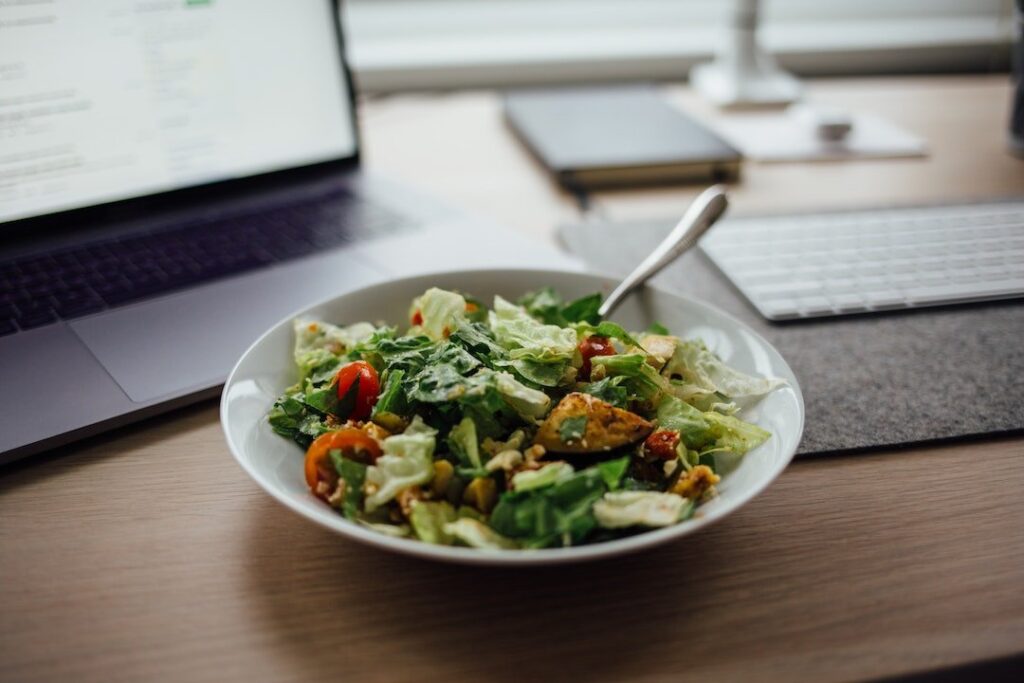
Taking a break for lunch is essential for maintaining productivity and overall well-being. While it may seem like an unnecessary expense or a luxury, skipping lunch can lead to energy crashes, decreased focus, and lower performance.
Why Take a Break for Lunch?
Skipping lunch can have severe consequences on both physical and mental health. When we don’t take breaks to eat, our bodies crave fuel to keep going. If we don’t provide that fuel, we risk experiencing:
- Energy crashes: Feeling tired, sluggish, or lethargic throughout the day.
- Decreased focus: Struggling to concentrate on tasks and making mistakes.
- Lower performance: Producing lower-quality work and meeting deadlines.
In contrast, taking regular breaks to eat can help us recharge, refocus, and perform at our best. A healthy lunch break can also lead to:
- Improved mood: Eating a balanced meal can boost serotonin levels, reducing stress and anxiety.
- Increased productivity: Taking breaks to eat can help you stay focused and motivated throughout the day.
- Better decision-making: Eating a nutritious lunch can improve cognitive function, leading to better decision-making skills.
Healthy Snacking: A Better Option?
While snacks like energy bars or fruit may seem convenient, they often lack essential nutrients. Instead of relying on quick fixes, consider incorporating healthy snacks into your daily routine:
- Whole grains: Whole grain crackers, brown rice cakes, or whole grain bread with avocado or hummus.
- Lean proteins: Hard-boiled eggs, Greek yogurt, or cottage cheese with fruit.
- Vegetables: Carrot sticks with hummus or cherry tomatoes with balsamic vinegar.
Packing a Healthy Lunch: Tips and Tricks
When packing a healthy lunch, consider the following:
- Balance is key: Aim for a balance of protein, complex carbohydrates, and healthy fats.
- Pack leftovers: Use last night’s dinner as tomorrow’s lunch to reduce food waste.
- Choose whole foods: Opt for whole grains, fruits, vegetables, lean proteins, and healthy fats.
Some popular lunch ideas include:
- Salad jars: Layering mixed greens, veggies, lean proteins, and healthy fats in a jar.
- Wraps: Using whole grain wraps to hold fillings like turkey, avocado, and hummus.
- Soups: Packing a thermos of homemade soup with whole grain bread or crackers.
The Benefits of Taking a Break for Lunch
Taking regular breaks to eat can have numerous benefits:
- Improved productivity: Boosting energy levels and focus.
- Enhanced creativity: Providing time for reflection and mental rejuvenation.
- Better work-life balance: Allowing for more leisure time and relaxation.
Finding the Perfect Balance: A Guide
Finding the perfect balance between work, rest, and play can be challenging. Consider the following tips:
- Listen to your body: Pay attention to hunger cues and take breaks when needed.
- Prioritize self-care: Make time for activities that bring you joy and relaxation.
- Set boundaries: Establish clear boundaries between work and personal life.
By taking regular breaks to eat, we can improve our overall well-being, increase productivity, and enjoy a better work-life balance.
Common Obstacles to Taking Lunch Breaks
Despite the benefits of taking lunch breaks, many people struggle to prioritize this activity. Common obstacles include:
- Time constraints: Rushing through meals or feeling like there isn’t enough time.
- Work environment: Working in a noisy or distracting space that makes it difficult to focus on eating.
- Lack of options: Having limited access to healthy food or struggling to find time for meal prep.
Overcoming Common Obstacles
To overcome common obstacles and prioritize lunch breaks, consider the following strategies:
- Schedule it in: Treat lunch breaks as non-negotiable appointments.
- Find a quiet space: Identify a quiet spot outside of the office or workspace to enjoy meals.
- Prep ahead: Plan meals in advance to save time and reduce stress.
By overcoming common obstacles, we can create healthy habits that support overall well-being and productivity.
Conclusion
Taking regular breaks to eat is essential for maintaining productivity, improving focus, and promoting overall health. By prioritizing lunch breaks and incorporating healthy snacks into our daily routine, we can:
- Boost energy levels: Recharging with a nutritious meal.
- Enhance creativity: Allowing time for reflection and mental rejuvenation.
- Improve work-life balance: Establishing clear boundaries between work and personal life.
By making lunch breaks a priority, we can improve our overall well-being, increase productivity, and enjoy a better quality of life.


