
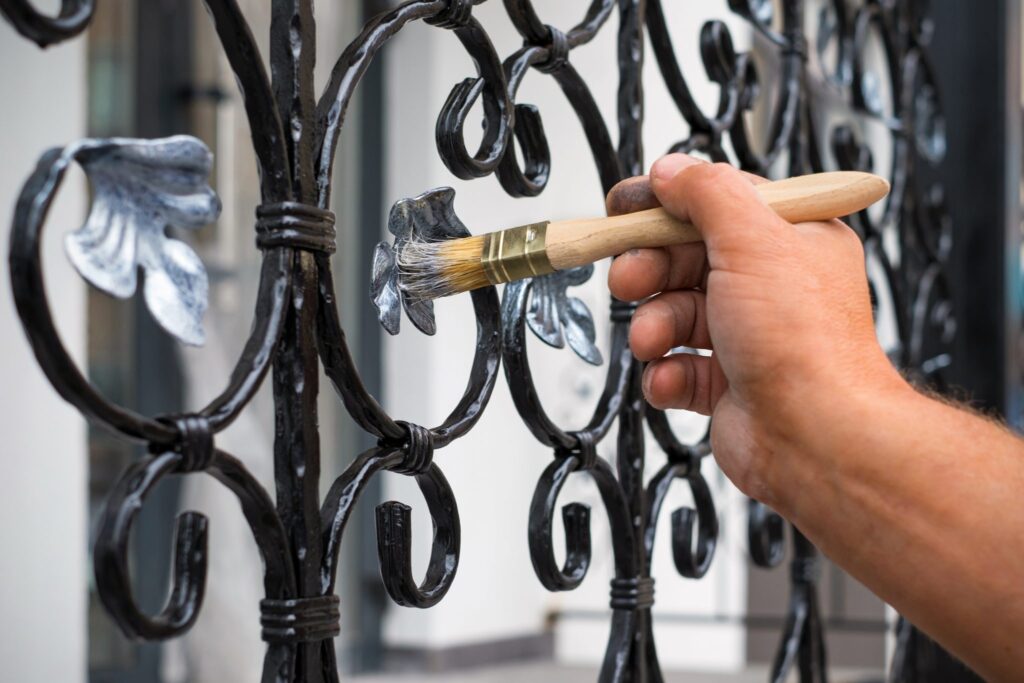
As homeowners and DIY enthusiasts, we often find ourselves facing the daunting task of restoring old metal objects. Whether it’s a rusty garden gate or a worn-out railing, repainting metal can be a cost-effective way to give new life to these structures. In this article, we’ll explore the process of painting metal, from preparation to finishing touches.
Understanding Your Metal Object
Before you begin painting your metal object, it’s essential to assess its condition. Is it rusty and damaged? Or is it already painted and just needs a fresh coat? Understanding the type of metal and its current state will help you determine the best approach for restoration.
Metal objects can be categorized into several types, including:
- Aluminum: Known for its durability and corrosion resistance, aluminum is often used in construction and transportation.
- Steel: A strong and versatile metal alloy, steel is commonly used in building frames, railings, and other infrastructure projects.
- Copper: This reddish-orange metal has natural antimicrobial properties and is often used in plumbing fixtures and electrical wiring.
Removing Rust and Old Paint
Rust and old paint can be a significant obstacle when painting metal. To remove rust, you can use mechanical methods like grinders or manual lime, or chemical methods involving two-part varnishes. For more thorough removal, consider using a drill to mount a metal brush. Be sure to wear protective gear, including gloves and masks.
Cleaning the Surface
Once the rust is removed, it’s time to clean the surface. For slightly rusty metals, a damp cloth and stiff-bristled steel brush can do the trick. However, for larger surfaces with thick rust, a buffer with abrasive paper specifically designed for metal is the best option. Be cautious not to apply too much pressure, which could damage the surrounding material.
Preparing the Surface
Before painting, it’s crucial to protect your floor and surrounding objects from paint splatters. Use plastic or cardboard sheets to create a barrier. Next, eliminate any remaining rust and old paint using abrasive paper and olive oil. If the metal surface has holes, fill them with metal filler compound applied with a car repair spatula.
Applying Antirust Foundation
After preparing the surface, apply an antirust foundation layer. This acts as a protective barrier against oxidation and damage caused by atmospheric agents. Use a universal brush to spread the antirust and follow the manufacturer’s instructions for drying times. Some paints have the power to disable rust, so be sure to check the product label.
Painting the Metal
With the surface prepared and antirust foundation applied, it’s time to paint. Choose your desired color and apply a specific primer if necessary. For aluminum, zinc, or other metals, use a specialized primer that allows the chosen color paint to adhere. Apply the first coat of paint according to the manufacturer’s instructions, and allow it to dry completely before applying additional coats.
Tips and Considerations
- When painting metal, always wear protective gear, including gloves and masks.
- Use a universal brush for spreading antirust foundation to ensure even coverage.
- For thermometers, consult our specific article on “How to Paint a Thermometer”.
- Be cautious when using abrasive materials or chemicals, as they can damage the surrounding material.
Common Questions
Q: Can I paint rusty metal without removing rust first?
A: While it’s possible, it’s not recommended. Rust can flake off and create uneven surfaces, which may require additional coats of paint.
Q: What type of primer should I use for aluminum or zinc metals?
A: Use a specialized primer specifically designed for these metals to ensure proper adhesion.
Q: Can I paint metal objects with exposed wiring or electrical components?
A: No, as painting can cover and potentially short-circuit electrical components. Consult a professional if necessary.
Q: How often should I apply additional coats of paint to the metal object?
A: Follow the manufacturer’s instructions for drying times and recommended coat thicknesses.
Q: Can I use standard paint on any type of metal?
A: No, some metals may require specialized paints or primers to ensure proper adhesion and durability. Always check the product label.
Q: How long does it take for the antirust foundation to dry completely?
A: Follow the manufacturer’s instructions for drying times, which can range from a few hours to several days.
Q: Can I paint metal objects in direct sunlight or high temperatures?
A: No, as this can cause the paint to dry too quickly and potentially lead to uneven surfaces. Apply paint in shaded areas or use a UV-resistant primer.
Q: How do I remove excess paint from the metal surface?
A: Use a soft brush or cloth to gently wipe away excess paint, taking care not to scratch the surrounding material.
Painting metal can be a rewarding DIY project, but it requires careful planning and attention to detail. By following these steps and tips, you’ll be able to give your metal objects a fresh new look that will last for years to come.


