
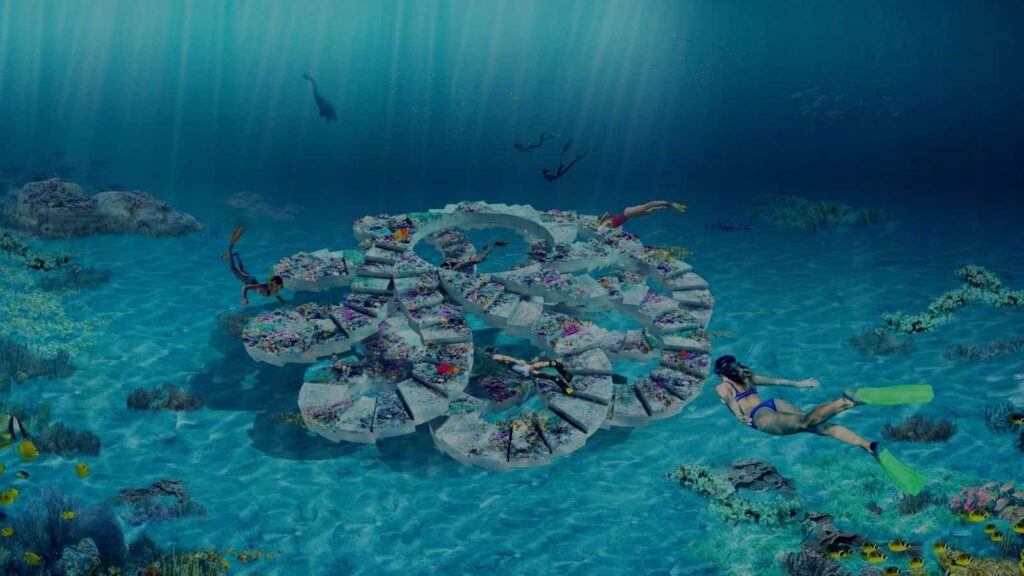
As we explore the world’s oceans, we are discovering new and exciting artifacts that reveal the history and culture of our ancestors. However, preserving these underwater treasures is a daunting task, especially when it comes to sustainability. This is where TETI (Integrated Technologies for the Sustainable Management of Underwater Cultural Heritage) comes in – a revolutionary project that aims to make museums sottomarini (underwater museums) safe, secure, and sustainable.
What is TETI?
TETI was born out of a multidisciplinary collaboration between two Italian universities, Politecnico di Milano e Torino, and the Sicilian Regional Authority for the Sea. The project has been ongoing for two years, with nine students working in teams of four and five to develop an innovative system for the conservation of underwater cultural heritage.
The Challenge
The team faced numerous challenges while developing TETI, including finding a balance between preserving the site’s ecosystem and providing visitors with an engaging experience. They also had to address concerns about cost, maintenance, and the potential impact on the surrounding environment.
One of the primary challenges was ensuring that the underwater museum did not harm the marine ecosystem. To achieve this, the team used advanced research methods to study the local sea life and identify areas where human activity could have a minimal impact. They also worked closely with experts in oceanography and marine biology to develop strategies for mitigating any potential harm.
A New Era for Underwater Museums
TETI offers several innovations that make it a game-changer for underwater museums:
- Interactive guides: Using advanced technology, TETI provides visitors with an immersive experience through audio-guided tours, interactive displays, and fiber-optic lighting. These features allow visitors to engage more deeply with the artifacts and learn about their historical significance.
- Eco-friendly materials: The system is designed using non-toxic materials that minimize environmental impact. This approach reduces the risk of pollution or damage to the marine ecosystem.
- Renewable energy sources: Pannelli fotovoltaici (solar panels) and systems for harnessing ocean currents provide a sustainable power source. These renewable energy sources help reduce the museum’s carbon footprint and minimize its reliance on non-renewable energy sources.
Lessons Learned
The team behind TETI had to overcome several hurdles, including finding the perfect balance between innovation and sustainability. They discovered that using innovative materials, such as aluminum or magnesium anodized surfaces, could help preserve artifacts while minimizing environmental harm.
Another important lesson was the importance of collaboration and interdisciplinary approaches. By working together with experts from various fields, including oceanography, marine biology, and engineering, the team was able to develop a comprehensive solution for preserving underwater cultural heritage.
The Impact on Museums
TETI’s innovative approach has far-reaching implications for museums around the world. By adopting sustainable practices and using cutting-edge technology, museums can reduce their environmental impact while providing visitors with an engaging and educational experience.
Moreover, TETI showcases the potential for underwater museums to serve as cultural and scientific hubs. These museums can not only preserve historical artifacts but also foster international cooperation and exchange between nations.
Potential Applications
TETI’s innovative technologies and sustainable approaches have numerous applications beyond the Italian context:
- Preservation of ancient civilizations: By developing sustainable methods for preserving underwater cultural heritage, researchers can uncover more about ancient civilizations and their ways of life.
- Conservation of marine ecosystems: The use of eco-friendly materials and renewable energy sources can help mitigate the impact of human activity on marine ecosystems.
- Tourism development: Underwater museums can become a major tourist attraction, generating revenue and promoting cultural exchange between nations.
Conclusion
TETI is a groundbreaking project that showcases the potential for sustainable underwater cultural heritage management. By combining cutting-edge technology with eco-friendly practices, this initiative sets a new standard for museums sottomarini (underwater museums) and inspires others to follow in its footsteps.
As we continue to explore the world’s oceans, it is essential that we prioritize preserving our cultural heritage while minimizing environmental harm. TETI offers a compelling vision of how this can be achieved, providing a blueprint for future generations to build upon.
Frequently Asked Questions
- What inspired the development of TETI?
- The project was born out of a desire to create an innovative system for preserving underwater cultural heritage while minimizing environmental impact.
- How does TETI address the challenge of sustainability?
- The system is designed using non-toxic materials, renewable energy sources, and minimizes waste throughout its lifecycle.
- What are some potential applications of TETI beyond the Italian context?
- The technology can be applied to various underwater cultural heritage sites worldwide, providing a sustainable solution for their preservation and management.


