
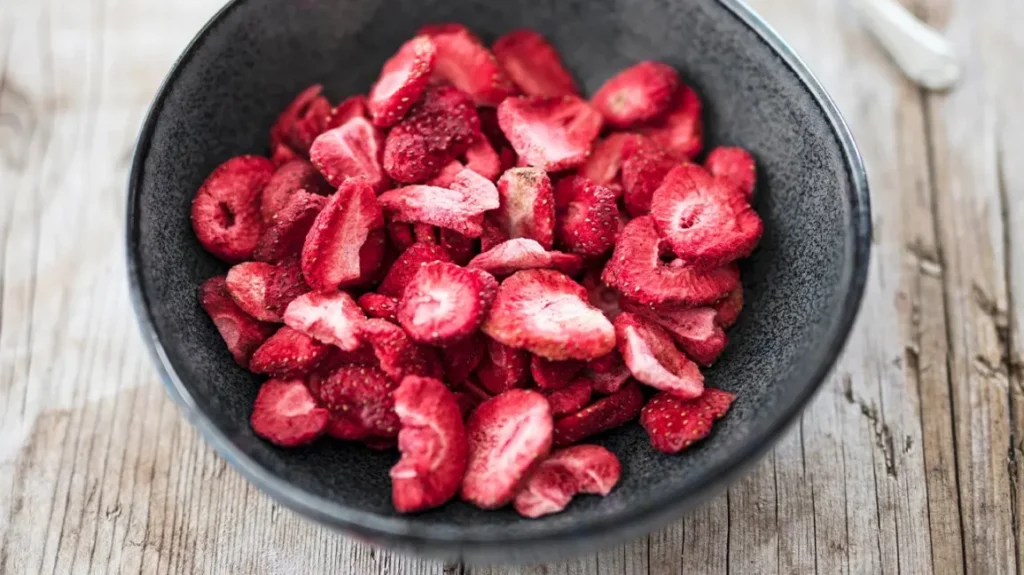
Dehydrated foods have become increasingly popular in recent years, particularly among outdoor enthusiasts and health-conscious individuals. But what exactly are dehydrated foods, and how do they differ from other types of preserved foods? In this article, we’ll delve into the world of dehydrated foods, exploring their benefits, risks, and uses.
What Are Dehydrated Foods?
Dehydrated foods are those that have been treated to remove moisture, typically through a process called lyophilization or freeze-drying. This method involves freezing the food and then reducing the surrounding pressure to allow the frozen water molecules to sublimate (change directly from a solid to a gas) without going through the liquid phase.
Dehydrated foods can be made from a wide variety of ingredients, including fruits, vegetables, meats, and even grains. They are often used as a convenient alternative to fresh produce, particularly for individuals who lead active lifestyles or have limited access to fresh food.
Benefits of Dehydrated Foods
So, what makes dehydrated foods so appealing? Here are just a few benefits:
- Convenience: Dehydrated foods are lightweight and compact, making them perfect for backpacking trips or emergency supplies.
- Long Shelf Life: When stored properly, dehydrated foods can last for months or even years without refrigeration.
- Nutrient Preservation: Dehydrating helps preserve the natural nutrients found in whole foods, unlike many other preservation methods that can destroy or alter these compounds.
The Science Behind Dehydration
Dehydration is a simple yet effective way to preserve food. By removing moisture from the food, dehydration prevents the growth of microorganisms and bacteria that can cause spoilage. This method is especially useful for perishable ingredients like fruits and vegetables, which are prone to decay if not stored properly.
Types of Dehydrated Foods
Dehydrated foods come in a wide range of forms and flavors. Some popular types include:
- Dried Fruits: Dried fruits like apricots, apples, and bananas are perfect for snacking on the go.
- Vegetable Chips: Thinly sliced vegetables dehydrated to crispy perfection make for a delicious and healthy snack.
- Meat Jerky: Beef, turkey, or chicken strips dehydrated to perfection make for a tasty protein-packed snack.
Dehydrating at Home
You don’t need a food dehydrator to make your own dehydrated foods. Here are some easy methods:
- Air Drying: Simply spread out your ingredients on a baking sheet and let them air dry in a low-temperature oven or under direct sunlight.
- Sun Drying: Place your ingredients directly on the sun, either on a wire rack or on a piece of parchment paper.
Getting Started with Dehydrated Foods
Ready to give dehydrating a try? Here are some essential tips:
- Start small: Begin with simple recipes like dried fruits or veggies.
- Invest in the right equipment: While you can start without a food dehydrator, investing in one will make the process much easier and more efficient.
- Explore different options: Try using your own fresh produce instead of buying pre-made products.
Dehydrating for Emergency Preparedness
One of the most significant benefits of dehydrated foods is their ability to provide sustenance during emergency situations. By stockpiling dehydrated ingredients, individuals can ensure that they have a reliable source of nutrition in case of natural disasters or other crises.
Here are some tips for building an emergency food supply:
- Choose shelf-stable items: Opt for dehydrated foods that don’t require refrigeration to extend their shelf life.
- Select nutrient-dense options: Focus on nutrient-rich ingredients like fruits, vegetables, and whole grains.
- Plan your meals: Consider how you’ll prepare and rehydrate your food when disaster strikes.
Conclusion
Dehydrated foods may not get the attention they deserve, but trust us when we say that they’re more than just a convenient alternative to fresh produce. With their incredible shelf life and numerous health benefits, these preservation methods have won over many fans around the world – including yours truly!
In the next article, we’ll explore the world of fermented foods and how they can add a new level of nutrition and flavor to your diet.


