
Have you ever found yourself scrolling through your phone in a waiting room, only to catch a glimpse of someone engrossed in a physical book? It’s interesting to see how people choose to consume their favorite stories. While some swear by the convenience and environmental benefits of eBooks, others remain loyal to traditional books. But who loses out in this digital age?
In recent years, the debate between eBooks and traditional books has been gaining momentum. Both sides have valid arguments, and it’s essential to weigh the pros and cons before making a decision. In this article, we’ll delve into the world of eBooks and printed books, exploring their environmental impact, convenience, and sustainability.
The Environmental Impact of Printed Books
It’s no secret that printed books have a significant environmental impact. With millions of trees cut down every year to produce paper for books, it’s hard not to wonder if the convenience of eBooks is worth the cost to our planet. The production of paper requires large amounts of water and energy, contributing to greenhouse gas emissions.
Studies suggest that the carbon footprint of printed books can be substantial. According to a study by the Environmental Paper Network (EPN), the average American household generates about 11 pounds of paper waste per year. This not only contributes to deforestation but also affects air quality and water resources.
The Rise of eBooks
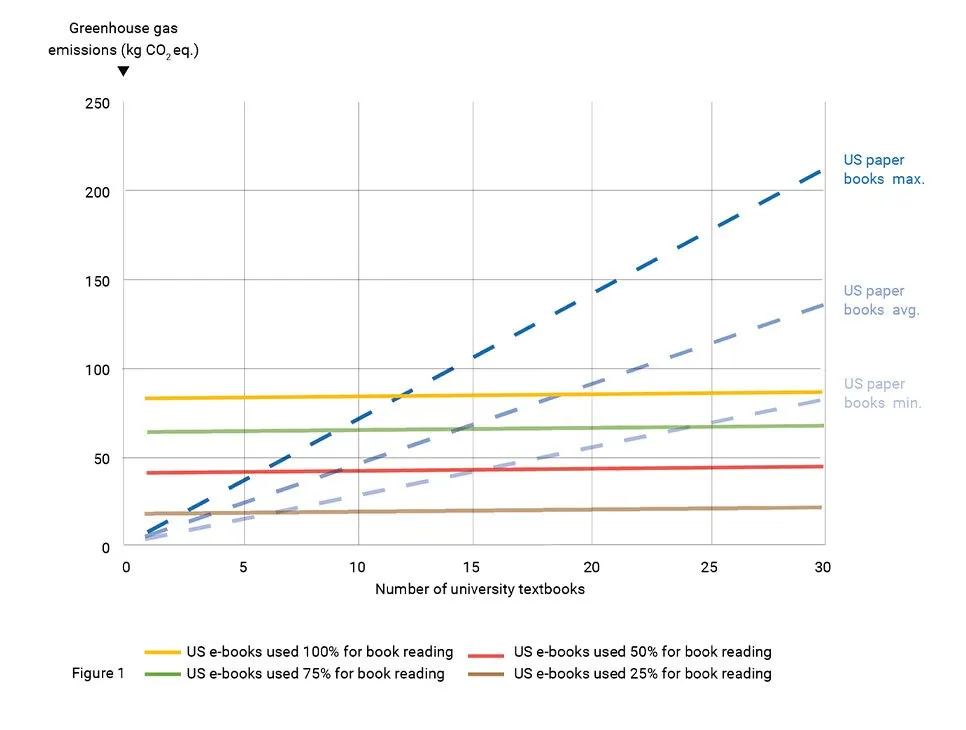
In 2009, a study highlighted the environmental impact of the Amazon Kindle e-reader. The analysis revealed that the carbon emissions emitted during the entire life of the device are offset after the first year of use. This was seen as a major victory for proponents of eBooks, who claim they’re eco-friendly and lightweight.
However, it’s essential to note that this study only considered the production of one e-reader and didn’t account for the environmental impact of subsequent purchases or updates. Moreover, the rise of eBooks has led to an increase in energy consumption and e-waste.
The Environmental Benefits of eBooks
Since one e-reader can contain hundreds of digital books, it’s clear that the environment has saved by not cutting down on a significant number of trees. However, this doesn’t necessarily mean that eBooks are more environmentally friendly than printed books.
In reality, the production and disposal of eBook readers have their own environmental impact. Most eBook readers are made from non-renewable materials, such as plastic and metal, which contribute to waste and pollution.
The Dark Side of eBook Production
No matter where we go, whether it’s to work or just shopping, when we leave, we carry around multiple mobile devices, from smartphones, MP3 players, gaming platforms, tablets, and e-readers. eBook readers are almost all “non-renewable,” destined to become waste. In addition, they are equipped with lithium-ion batteries, made from rare materials that cannot be recycled.
The extraction of these materials has significant environmental consequences, including water pollution and habitat destruction. Furthermore, the manufacturing process for eBooks requires large amounts of energy, which contributes to greenhouse gas emissions.
The Renewable Resource: Trees
On the other hand, trees are a renewable resource or at least “renewable in theory” because soil consumption plays a crucial role. By using eBooks, we can reduce our carbon footprint and help preserve these vital resources.
However, it’s essential to note that the production of paper for printed books also has environmental benefits. Paper can be made from recycled materials, reducing waste and conserving natural resources.
A More Sustainable Future?
Progress can push us in two directions: on one side, easier-to-recycle e-readers, and on the other side, more likely, books made from recycled paper due to optimization of paper collection and production processes. In this way, fewer trees would be cut down and minimal water consumption would be limited.
Moreover, advances in technology have led to the development of more sustainable eBook readers. Some e-readers now use solar power or biodegradable materials, reducing their environmental impact.
The Cost of Convenience
To make an e-reader requires extracting 33 kilograms of minerals. Production involves the use of fossil fuels. Even book sales have their own flaws that go beyond the expenditure of water and trees, but also the physical transportation: if you order a book online, the book must be transported to your home, consuming many fossil fuels that are not comparable to simply clicking for an eBook download.
However, it’s essential to consider the cost of convenience. eBooks often require subscription fees or rental costs, which can add up over time.
The Environmental Impact of Our Habits
In addition, to read a good book without straining your eyes, you will have to turn on a lamp and better for the environment (and your pockets) a high-efficiency lamp! In short, there are many factors involved, and it depends on how much and when the user uses their e-reader and its reading habits.
Conclusion
In conclusion, while eBooks may seem like the more environmentally friendly option, the truth is far more complex. Both printed books and digital devices have their own set of problems, from production to disposal. As consumers, we must consider our choices carefully and think about the impact they have on our planet.
While eBooks can reduce carbon emissions in the long run, the environmental impact of eBook readers and digital devices cannot be ignored. By understanding the full lifecycle of these devices, we can make more informed decisions and strive towards a more sustainable future.
Frequently Asked Questions
Q: Do eBooks really reduce carbon emissions?
A: While some studies suggest that eBooks can offset carbon emissions, the full picture is more complex and depends on various factors, including production and disposal.
Q: Are e-readers made from renewable materials?
A: Unfortunately, most eBook readers are not made from renewable materials and contain rare minerals and fossil fuels in their production process.
Q: Can we reduce our environmental impact by using eBooks?
A: Yes, by choosing eBooks over printed books, we can reduce our carbon footprint. However, it’s essential to consider the full lifecycle of these devices.
Q: What about the production of paper for printed books?
A: The production of paper for printed books does have an environmental impact, including deforestation and water consumption.
Q: Can we make eBooks more sustainable in the future?
A: Yes, by developing easier-to-recycle e-readers and optimizing paper collection and production processes, we can reduce our environmental footprint.
Q: What about the disposal of eBook readers?
A: The disposal of eBook readers is a significant concern due to their non-renewable materials and lack of recyclability.
Q: Are eBooks really more convenient than printed books?
A: While eBooks may be more portable and accessible, they also require the use of multiple devices, which can lead to increased energy consumption and waste.


