
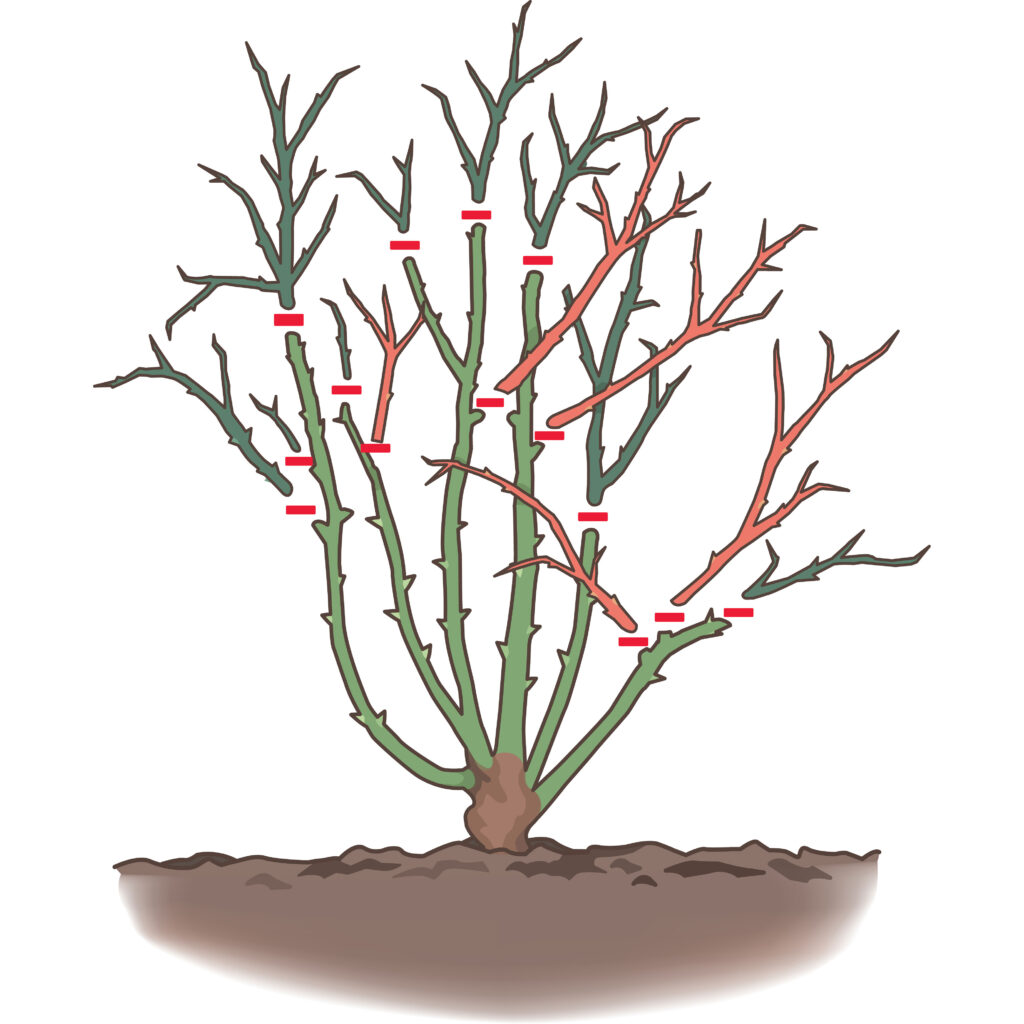
As a rose enthusiast, understanding when and how to prune your roses is crucial for their health and beauty. In this article, we will delve into the world of rose pruning, covering the best time to prune, techniques for different types of roses, and provide you with valuable tips to keep your roses thriving.
Why Prune Roses?
Pruning roses serves multiple purposes:
- Removes dead, diseased, or damaged branches
- Promotes healthy growth and encourages new blooms
- Enhances the overall appearance of the plant
Understanding the right timing for pruning is essential. Different regions have different seasons, and so does the best time to prune.
When to Prune Roses
The ideal time to prune roses varies depending on your location:
- Southern Italy: Late February or early March
- Northern Italy: Mid-March
In general, it’s recommended to prune after the last frost in winter. This allows you to remove damaged branches and promote new growth.
Pruning Techniques
Here are some tips for pruning roses effectively:
- Remove dead, diseased, or damaged branches: These can harbor diseases and pests, which can spread to other parts of the plant.
- Cut back canes to about 6-8 inches from the ground: This encourages new growth and promotes healthy stems.
- Make angled cuts, about 45 degrees from the stem: This helps prevent water from collecting on the cut end of the stem and reduces the risk of disease.
- Prune in late winter or early spring, when the plant is dormant: This minimizes stress on the plant and allows it to focus its energy on new growth.
Pruning Roses Rifiorenti
For roses that produce blooms multiple times a year (rifiorenti), pruning involves removing only the dead flowers and cutting back the stems to encourage new growth.
- Potatura estiva: Remove dead flowers and trim stems to about 3-4 inches from the ground. This encourages new growth and promotes healthy stems.
- Accorciamento: Cut back stems to promote new blooms. This involves pruning the stems to a certain height, which allows the plant to produce new flowers.
Pruning Hybrid Tea Roses
Hybrid tea roses are known for their large, repeat-blooming flowers. Pruning these roses requires some care and attention:
- Remove dead flowers: Make sure to remove all dead or damaged flowers from the stem.
- Cut back canes: Cut back canes to about 6-8 inches from the ground to promote new growth.
- Thin stems: Thin out stems to allow for good air circulation and prevent disease.
Pruning Floribunda Roses
Floribunda roses are known for their clusters of small flowers. Pruning these roses requires some care and attention:
- Remove dead flowers: Make sure to remove all dead or damaged flowers from the stem.
- Cut back canes: Cut back canes to about 6-8 inches from the ground to promote new growth.
- Thin stems: Thin out stems to allow for good air circulation and prevent disease.
Pruning Climbing Roses
Climbing roses are known for their long, trailing canes. Pruning these roses requires some care and attention:
- Remove dead flowers: Make sure to remove all dead or damaged flowers from the stem.
- Cut back canes: Cut back canes to about 6-8 inches from the ground to promote new growth.
- Thin stems: Thin out stems to allow for good air circulation and prevent disease.
Pruning Tips and Tricks
Here are some additional tips and tricks to keep in mind when pruning your roses:
- Use clean and sharp tools: Make sure to use clean and sharp tools to prune your roses, as dull tools can damage the plant.
- Prune at the right angle: Make sure to prune your roses at the right angle, about 45 degrees from the stem, to prevent water from collecting on the cut end of the stem.
- Don’t over-prune: Be careful not to over-prune your roses, as this can stress the plant and cause it to become more susceptible to disease.
- Prune in stages: Consider pruning your roses in stages, removing dead branches first and then thinning out stems to promote healthy growth.
Frequently Asked Questions
Here are some common questions about pruning and caring for roses:
- Q: When should I prune my roses?
A: Prune in late winter or early spring, when the plant is dormant. - Q: How often should I fertilize my roses?
A: Fertilize in the spring and summer months to promote healthy growth and blooming. - Q: What’s the best way to prune roses?
A: Make angled cuts, about 45 degrees from the stem, removing dead, diseased, or damaged branches.
By following these tips and techniques, you’ll be well on your way to becoming a rose pruning expert!


