
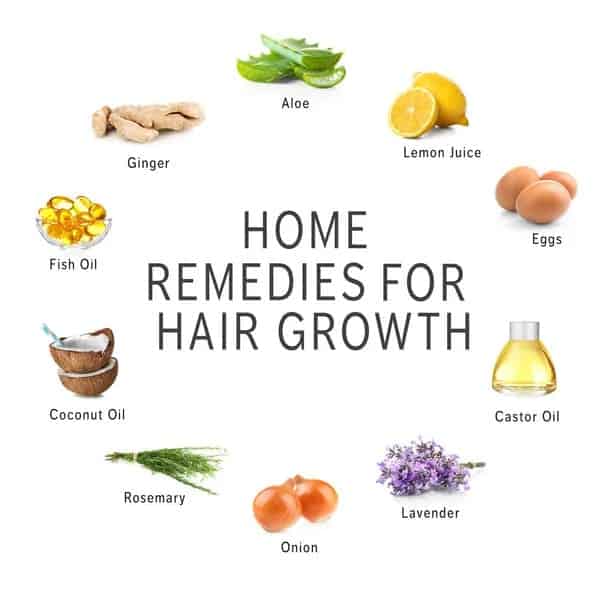
Losing hair can be distressing and affect one’s self-confidence. However, before resorting to invasive treatments, there are several natural remedies that can help boost hair growth and combat shedding.
Understanding the Causes of Hair Loss
Before we dive into the remedies, it’s essential to understand what causes hair loss. A lack of vitamins, stress, and poor diet can all contribute to hair thinning. But the good news is that there are many ways to address these issues without resorting to harsh chemicals or surgery.
Hair Boosting Tips: Setting Yourself Up for Success
To boost hair growth naturally, it’s crucial to adopt certain habits and avoid others. Here are some tips to get you started:
- Choose a gentle shampoo: Opt for a mild, sulfate-free shampoo that won’t strip your hair of its natural oils.
- Avoid frequent washing: Washing your hair too often can lead to dryness and breakage. Try to limit your washing to once or twice a week.
- Say goodbye to invasive treatments: Haircuts, permanent waves, coloring, and heat styling can all damage your hair and slow down growth. Consider alternative methods like henna packs or natural dyes.
- Protect your hair from heat: If you must use heat styling tools, make sure to use a thermoprotective product made from linseed oil.
Nutrition for Hair Growth: Fuel Your Locks
A healthy diet is one of the best ways to promote hair growth. Biotin, vitamins A, C, and E are all essential nutrients that can be found in various foods. Here are some biotin-rich foods you should include in your diet:
- Oats: Steel-cut oats or rolled oats are both great sources of biotin.
- Sunflower seeds: These tiny seeds are packed with biotin and other nutrients.
- Rice: Brown rice is a good source of biotin, as well as other B vitamins.
- Nuts: Almonds, walnuts, and pecans are all high in biotin.
Other Hair Growth-Boosting Foods
In addition to biotin-rich foods, there are many other nutrients that can help promote hair growth. These include:
- Vitamin A: Found in sweet potatoes, carrots, and dark leafy greens.
- Vitamin C: Abundant in citrus fruits, berries, and leafy greens.
- Vitamin E: Rich in avocado, sesame seeds, olive oil, and nuts.
DIY Hair Mask: A Natural Treatment
One of the most effective natural remedies for hair growth is a DIY hair mask. Here’s how to make one:
- Gather your ingredients: Apple cider vinegar, sage, linseed oil, water.
- Mix the solution: Combine 200ml of apple cider vinegar with a few sprigs of sage in an empty bottle. Let it sit for a week, shaking the bottle once a day to help expand the sage.
- Dilute the solution: After the time has passed, dilute the solution by adding half a liter of water.
- Add linseed oil: Finally, add a few drops of linseed oil and mix well.
Applying the DIY Hair Mask
To use the mask, apply it to clean, wet hair and leave it on for 20 minutes. Massage your scalp for a couple of minutes before rinsing with warm water without using shampoo.
Repeat and Rinse
Repeat this process once a week for two months. Before applying the mask, apply a few drops of vegetable oil (such as jojoba or sesame oil) to the skin around your hairline and leave it on for 5 minutes before applying the mask.
Henna Packs: A Natural Remedy
Another natural remedy against hair loss is using henna packs in its neutral, non-dyeing variety. To apply, mix the powdered henna with warm water and a tea infusion (such as chamomile or green tea) until you get a paste.
Applying Henna Packs
Apply the paste to your hair once it has cooled down, and leave it on for at least an hour before shampooing. To achieve better results, wrap your hair in a towel and cover it with a warm cloth during the treatment.
Benefits of Using Henna Packs
Henna packs have been used for centuries to promote hair growth and improve the health of the scalp. The main benefits of using henna packs include:
- Reducing dandruff: Henna has antifungal and antibacterial properties that can help reduce dandruff and other scalp issues.
- Improving circulation: Henna helps increase blood flow to the scalp, which can promote hair growth and improve the overall health of the hair.
- Strengthening hair follicles: The antioxidants and minerals present in henna can help strengthen hair follicles and promote hair growth.
Potential Side Effects of Using Henna Packs
While rare, some people may experience allergic reactions or irritation when using henna packs. Do a patch test before applying the treatment to ensure you’re not sensitive to any ingredients.
Other Natural Remedies for Hair Growth
In addition to DIY hair masks and henna packs, there are many other natural remedies that can promote hair growth. Some of these include:
- Coconut oil: Rich in nutrients and antioxidants, coconut oil can help nourish the scalp and promote hair growth.
- Argan oil: This essential oil is rich in vitamins A, C, and E, as well as antioxidants and fatty acids that can help promote hair growth.
- Rosemary essential oil: Rosemary oil has been shown to improve circulation and reduce dandruff, making it a popular choice among those with hair loss.
Conclusion: Boost Your Hair Growth Naturally
Hair loss can be distressing, but there are many natural remedies that can help boost hair growth and combat shedding. By adopting certain habits, eating a balanced diet, and using DIY treatments like henna packs or natural hair masks, you can promote healthy hair growth without resorting to harsh chemicals.
FAQs: Common Questions About Hair Loss Remedies
Q: How long does it take for the DIY hair mask to work?
A: The results may vary depending on individual hair types and conditions. However, with consistent use, you may start to notice improvements in 4-6 weeks.
Q: Can I use henna packs every day?
A: It’s recommended to use henna packs once a week for best results. Overusing henna can lead to dryness and irritation.
Q: What is the best natural hair mask for thinning hair?
A: The DIY hair mask made with apple cider vinegar, sage, and linseed oil is a popular choice among those with thinning hair.
Q: How do I know if my diet is contributing to hair loss?
A: If you notice that your hair loss is linked to a specific food or nutrient deficiency (such as biotin), try incorporating more of that nutrient into your diet.
Q: Can stress cause hair loss?
A: Yes, stress can contribute to hair loss. Practice stress-reducing techniques like meditation, yoga, or deep breathing exercises.
Q: Are there any other natural remedies for hair growth besides henna packs and DIY hair masks?
A: Yes, there are many other natural remedies that can promote hair growth, such as coconut oil, argan oil, and rosemary essential oil. Consult with a healthcare professional before trying new treatments.
Q: Can I use both henna packs and the DIY hair mask together?
A: It’s recommended to start with one treatment at a time to see how your hair responds. If you experience any adverse reactions, discontinue use and try another treatment.
Q: How often should I wash my hair while using the DIY hair mask?
A: Avoid washing your hair for 2-3 days before applying the mask, as this can strip your hair of its natural oils. Shampoo as usual after the treatment.
Q: Can I use the DIY hair mask on damaged or colored hair?
A: It’s best to avoid using the DIY hair mask on damaged or colored hair, as this can cause further dryness and damage. Consult with a healthcare professional before trying new treatments.
Q: Are there any potential side effects of using henna packs?
A: While rare, some people may experience allergic reactions or irritation when using henna packs. Do a patch test before applying the treatment to ensure you’re not sensitive to any ingredients.


