
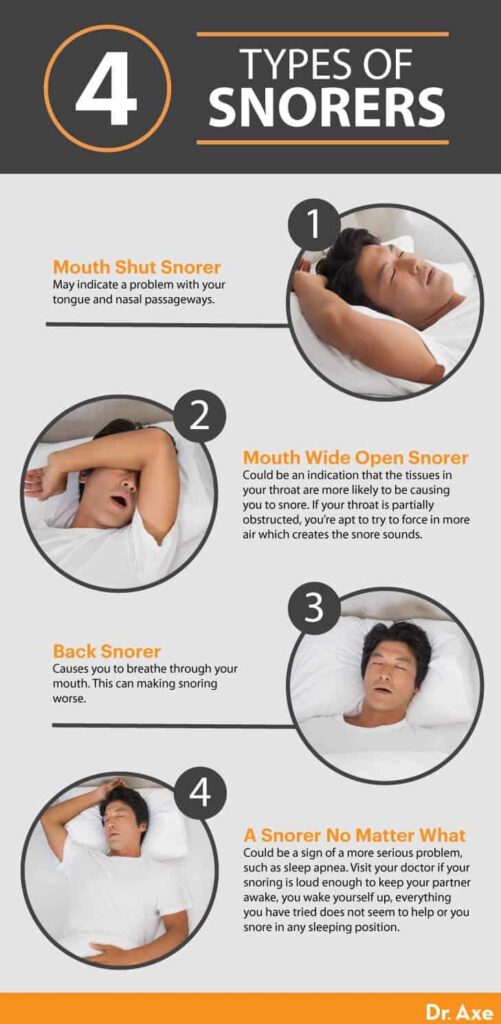
Snoring is a common problem that affects millions of people worldwide. It’s often seen as a comedic issue, but in reality, it can cause problems not just for the snorer, but also for their partner or spouse. Snoring can disrupt sleep patterns, leading to fatigue, decreased productivity, and other health issues.
Understanding Snoring and Its Causes
Snoring is typically caused by a relaxation of the soft palate (the roof of the mouth) and/or the tissues in the throat. When these tissues relax, they can partially block the airways, causing the vibration of the airways that produces the characteristic snoring sound. Other factors, such as allergies, sinus infections, or nasal congestion, can also contribute to snoring.
What Causes Snoring?
Snoring is often caused by a combination of factors, including:
- Obstruction of the nasal passages: When the nasal passages are congested or blocked, air must take a longer path through the throat, leading to vibration and snoring.
- Relaxation of the muscles in the throat: The muscles in the throat can relax during sleep, causing the soft palate to droop and partially block the airways.
- Obesity: Being overweight or obese can cause fat tissue to build up in the throat, leading to increased resistance to airflow and snoring.
- Sleep position: Sleeping on one’s back can cause the tongue and soft palate to fall back and block the airway.
Natural Remedies for Snoring
Fortunately, there are several natural remedies that can help alleviate snoring. In this article, we’ll explore some of these remedies, including essential oils, air quality, lifestyle changes, and other methods.
Essential Oils for Snoring
Certain essential oils have been found to be effective in reducing snoring. These include:
- Tumerone oil: Derived from the timber tree, tumerone oil has anti-inflammatory properties that can help reduce swelling in the nasal passages.
- Peppermint oil: Peppermint oil has natural decongestant properties that can help open up airways and reduce snoring.
- Eucalyptus oil: Eucalyptus oil has expectorant properties that can help loosen mucus and reduce congestion, making it easier to breathe.
These essential oils can be inhaled before bedtime or used as a nasal spray to help alleviate snoring. Some people also use them in combination with other natural remedies.
Air Quality for Snoring
Maintaining good air quality is crucial for reducing snoring. Here are some tips:
- Humidify the air: Dry air can exacerbate snoring by drying out the mucous membranes and nasal passages.
- Use an air purifier: An air purifier can help remove allergens, bacteria, and other pollutants that can contribute to snoring.
- Keep your bedroom clean: Regularly vacuuming and dusting your bedroom can help reduce exposure to allergens and irritants.
Lifestyle Changes for Snoring
In addition to using natural remedies and improving air quality, there are several lifestyle changes you can make to help alleviate snoring:
- Lose weight: Being overweight or obese can put pressure on the airways, making it easier to snore.
- Avoid alcohol before bedtime: Drinking alcohol before bed can relax the muscles in the throat, leading to snoring.
- Get regular exercise: Regular physical activity can help improve sleep quality and reduce snoring.
Other Remedies for Snoring
There are several other remedies that can help alleviate snoring:
- Cerotics: Cerotics are small pieces of gelatin or silicone that can be placed under the nose to help keep it open during sleep.
- Nasal strips: Nasal strips can be placed on the bridge of the nose to help open up the nasal passages and reduce congestion.
- Sleep position devices: Devices that encourage sleeping on one’s side can help prevent snoring by keeping the tongue and soft palate from falling back and blocking the airway.
While these remedies may not completely eliminate snoring, they can help alleviate symptoms and improve overall health.
When to Seek Medical Attention
If you’re experiencing persistent or severe snoring, it’s important to seek medical attention. Snoring can be a sign of an underlying sleep disorder or other health issue, such as:
- Sleep apnea: A condition in which breathing is interrupted during sleep, causing fragmented and poor-quality sleep.
- Asthma: A chronic respiratory disease that can cause inflammation and constriction of the airways.
- Sinus infections: Infections that can cause swelling and congestion in the nasal passages.
Consult with a healthcare professional to determine the best course of treatment for your specific situation. They may recommend further testing, such as a sleep study or nasal endoscopy, to diagnose any underlying conditions.


