
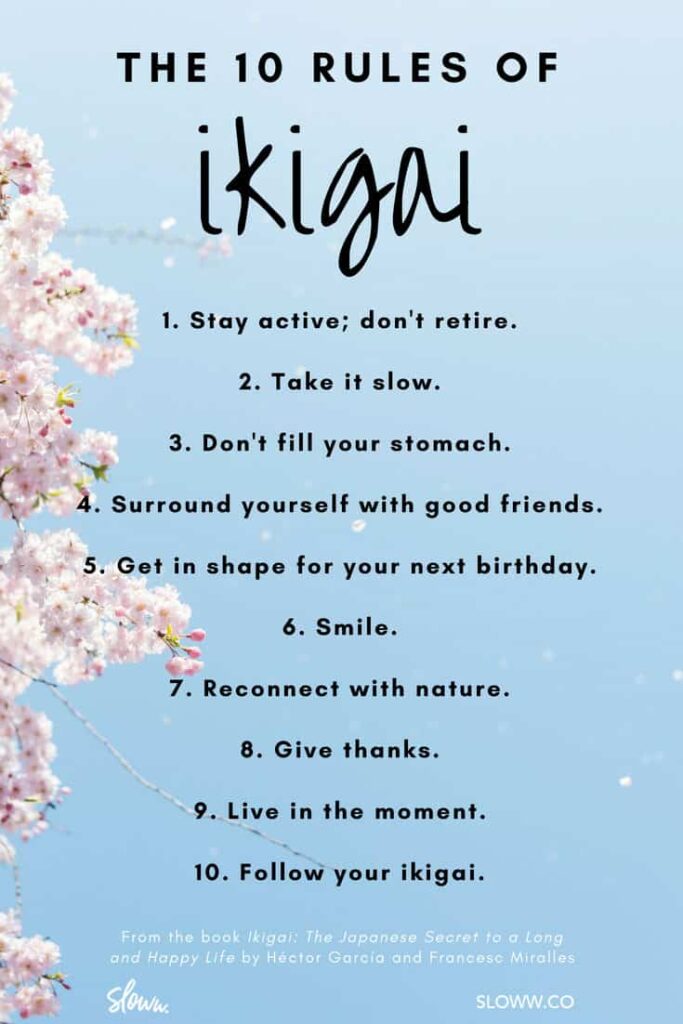
Ikigai is a Japanese concept that roughly translates to “reason for being” or “purpose in life.” It’s an elusive yet intriguing idea that has captured the attention of many seeking answers about the meaning and significance of their existence. In this article, we’ll delve into the world of ikigai, exploring its history, philosophy, and practical applications.
What is Ikigai?
Ikigai is not just a word; it’s a way of life. It represents the intersection of five elements: what you’re good at, what you love doing, what the world needs, what you can be paid for, and what you can do (Levinson, 2014). Finding your ikigai means discovering your unique purpose in life, which can lead to a sense of fulfillment, happiness, and contentment.
The Book: “Il Metodo Giapponese”
There’s a book that has gained popularity among those seeking answers about the meaning of life. Entitled “Il metodo giapponese: Trovare il senso della vita per essere felici,” it was written by Bettina Lemke and explores the concept of ikigai in depth. The book offers practical advice on how to find your purpose in life, making it a valuable resource for those seeking guidance.
The Significance of Ikigai
Ikigai is more than just a personal goal; it’s a way of living. When you find your ikigai, you’ll experience a sense of flow, where time seems to disappear, and you’re fully engaged in what you’re doing (Csikszentmihalyi, 1990). This state of being is characterized by a sense of purpose, passion, and fulfillment.
The Different Aspects of Ikigai
Ikigai has multiple facets, making it difficult to define. However, here are some key aspects:
- Purpose: What gives your life meaning and direction.
- Passion: What you love doing and what drives you.
- Contribution: How you can make a positive impact on the world.
- Personal growth: How you can develop as a person and improve yourself.
- Career: How your work aligns with your passions and values.
The Importance of Self-Reflection
Finding your ikigai requires self-reflection. It’s essential to understand what drives you, what you’re passionate about, and how you can make a positive impact on the world. Take time to reflect on your values, goals, and aspirations. Ask yourself:
- What are my strengths and weaknesses?
- What do I value most in life?
- What kind of work environment would I thrive in?
- What kind of activities make me feel fulfilled?
The Ikigai Test
There’s a famous test that can help you discover your ikigai. The test consists of three questions:
- What are my passions?
- In what am I skilled?
- What makes the world better when I’m involved in it?
Answering these questions can give you a deeper understanding of yourself and help you find your ikigai.
Conclusion
Ikigai is not just a concept; it’s a way of living. Finding your ikigai means discovering your purpose in life, which can lead to a sense of fulfillment, happiness, and contentment. By understanding the different aspects of ikigai and taking time for self-reflection, you can uncover your unique purpose and live a more meaningful life.
Frequently Asked Questions
- What is the difference between ikigai and purpose?
Ikigai represents the intersection of five elements, while purpose refers to the main goal or objective. - How do I find my ikigai?
To find your ikigai, reflect on your values, goals, and aspirations. Ask yourself questions about what drives you, what you’re passionate about, and how you can make a positive impact on the world. - Is finding my ikigai easy?
No, finding your ikigai requires time, effort, and self-reflection. It’s not a one-time event; it’s an ongoing process of discovery and growth.
References
Csikszentmihalyi, M. (1990). Flow: The Psychology of Optimal Experience. Harper & Row.
Levinson, D. J. (2014). Ikigai: The Japanese Secret to a Long and Happy Life. Workman Publishing Company.
Roberto Baggio is quoted on page 5
In conclusion, the meaning of life is not just about fulfilling material needs but finding purpose in one’s existence. The concept of ikigai offers a unique perspective on how to live a more meaningful life, emphasizing personal growth, contribution to society, and pursuing passions. By understanding the different facets of ikigai and adopting a reflective mindset, individuals can uncover their purpose in life and strive for fulfillment, happiness, and contentment.
Ikigai is not just an abstract idea; it’s a practice that can be applied to daily life. By embracing the concept of ikigai and making it a part of one’s lifestyle, people can experience a deeper sense of satisfaction and purpose. As Roberto Baggio once said, “To find your passion and pursue it, you need to have patience, perseverance, and persistence.”


