
Measuring Blood Sugar: A Guide to Measuring Glucose Levels in the Blood
Understanding Blood Sugar Testing
Blood sugar testing, also known as glycemia testing, is an essential tool for managing diabetes and other conditions that affect blood glucose levels. In this article, we will explore the basics of measuring blood sugar, including the equipment needed, how to use it, and what the results mean.
What is a Glucometer?
A glucometer is a small device used to measure blood sugar levels in the blood. It is an indispensable tool for people with diabetes, as well as those who are at risk of developing the condition. A glucometer is also known as a “glucose meter” or “blood glucose meter.”
Choosing a Glucometer
There are several types of glucometers available on the market, including manual and electronic devices. Manual glucometers use a lancet to prick the skin and collect a drop of blood, while electronic glucometers use a small sensor to measure glucose levels directly from the blood.
For this article, we will focus on electronic glucometers, specifically the Contour XT by Bayer. This device is widely used and is considered one of the most accurate and reliable on the market.
Getting Started with Your Glucometer
Before you start using your glucometer, make sure to read the instructions carefully and follow these steps:
- Wash your hands: Before taking a blood sugar reading, wash your hands thoroughly with soap and water.
- Choose the right test strip: Select the correct test strip for your glucometer and ensure that it is not expired.
- Insert the test strip: Follow the manufacturer’s instructions to insert the test strip into the glucometer.
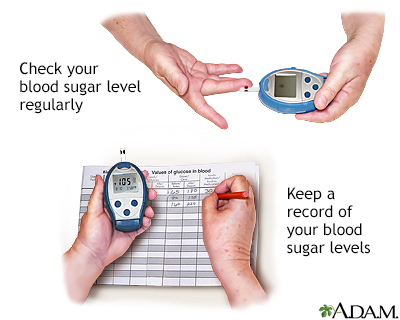
- Prick your finger: Use a lancet to prick your finger and collect a small drop of blood.
- Place the drop on the test strip: Carefully place the drop of blood onto the test strip, making sure not to touch any other parts of the device.
- Wait for the results: Wait for 2-3 minutes for the results to appear on the glucometer screen.
Understanding Your Results
Once you have taken a blood sugar reading, it is essential to understand what your results mean. The results will show your current glucose level in milligrams per deciliter (mg/dL).
- Normal range: A normal blood sugar level ranges from 70-100 mg/dL.
- High blood sugar: If your reading is above 180 mg/dL, you may be experiencing high blood sugar. Consult with your healthcare provider to determine the best course of action.
How Often to Take Blood Sugar Readings
The frequency at which you take blood sugar readings depends on various factors, including:
- Type of diabetes: People with type 1 or type 2 diabetes may need to check their blood sugar levels more frequently.
- Diet and exercise: Those who follow a strict diet and exercise regimen may need to monitor their blood sugar levels more often.
In general, it is recommended to take multiple readings throughout the day, including:
- Before breakfast
- After breakfast
- Lunchtime
- Pre-dinner snack
- Before bedtime
Tips for Taking Accurate Blood Sugar Readings
To ensure that your blood sugar readings are accurate, follow these tips:
- Use the right test strip: Always use the correct test strip for your glucometer and ensure that it is not expired.
- Wash your hands: Before taking a blood sugar reading, wash your hands thoroughly with soap and water.
- Prick your finger carefully: Use a lancet to prick your finger and collect a small drop of blood. Avoid touching any other parts of the device or your skin.
Common Issues with Blood Sugar Testing
There are several common issues that can arise when taking blood sugar readings, including:
- Inconsistent results: If you experience inconsistent results, consult with your healthcare provider to determine the cause and best course of action.
- Lancet insertion errors: Make sure to prick your finger carefully and avoid inserting the lancet too deeply or at an angle.
Conclusion
Measuring blood sugar levels is an essential tool for managing diabetes and other conditions that affect blood glucose levels. By following these guidelines and using the right equipment, you can ensure accurate and reliable results.
Frequently Asked Questions (FAQs)
- Q: How often should I take a blood sugar reading?
A: The frequency at which you take blood sugar readings depends on various factors, including your type of diabetes, diet, and exercise regimen. - Q: What is the normal range for blood sugar levels?
A: A normal blood sugar level ranges from 70-100 mg/dL. - Q: How do I choose the right test strip for my glucometer?
A: Always use the correct test strip for your glucometer and ensure that it is not expired. - Q: What happens if my blood sugar reading is high?
A: If your blood sugar reading is above 180 mg/dL, you may be experiencing high blood sugar. Consult with your healthcare provider to determine the best course of action.
By understanding how to measure blood sugar levels and following these guidelines, you can take control of your health and make informed decisions about your diabetes management.
Additional Resources
- American Diabetes Association (ADA): The ADA provides a wealth of information on managing diabetes, including tips for taking accurate blood sugar readings.
- Centers for Disease Control and Prevention (CDC): The CDC offers guidance on maintaining good health habits, including monitoring blood sugar levels.
By staying informed and seeking support from healthcare professionals and organizations, you can effectively manage your diabetes and achieve optimal health.


