
As a homeowner who has invested in a solar panel system, you may be wondering what maintenance is required to keep it running efficiently and effectively. While solar panels are designed to be low-maintenance, there are still several steps you can take to ensure your system continues to produce energy for years to come.
Understanding the Importance of Regular Maintenance
Regular maintenance is crucial to extending the lifespan of your solar panel system. In fact, a well-maintained system can increase its efficiency by up to 20% over time. Moreover, regular checks can help identify potential issues before they become major problems, saving you money on costly repairs.
What to Expect from Regular Maintenance
Regular maintenance typically involves checking and cleaning the solar panels, as well as inspecting other components of your system. Here are some of the key activities involved in maintaining your solar panel system:
Cleaning the Solar Panels
While solar panels can clean themselves through natural weathering processes, regular cleaning is still necessary to maintain their efficiency. Cleaning the panels helps remove dirt, debris, and other substances that can reduce energy production.
- How Often Should I Clean My Solar Panels? Regular cleaning is necessary to maintain efficiency, but over-cleaning can cause damage.
- What Tools Do I Need for Cleaning? A good quality spazzolone (scraper) can be an effective way to remove debris and dirt from the panels. Some popular options include:
- Kit Solar-Wash Spazzolone per la pulizia del Fotovoltaico
- Detergente specifico per pannelli solari
- What Are the Risks of Not Cleaning My Solar Panels? Neglecting to clean your solar panels can lead to reduced energy production, increased wear and tear on the system, and potentially even system failure.
Inspecting the Inverters
The inverters are a critical component of your solar panel system, responsible for converting DC power into AC electricity. Regular inspection and maintenance of the inverters is essential to ensure they continue to function properly.
- What Are the Symptoms of an Inverter Problem? Common signs of inverter issues include:
- Reduced energy production
- Increased error messages on the inverter’s display screen
- Unusual noises or vibrations from the inverter
- How Can I Inspect My Inverters? Regularly check the inverters for any visible signs of damage, such as corrosion or water damage. Also, monitor their performance data to detect any issues that may be affecting energy production.
Monitoring Performance
Monitoring your solar panel system’s performance helps identify any issues that may be affecting energy production. By tracking performance data, you can quickly detect problems such as reduced energy output or unusual behavior.
- What Tools Do I Need for Monitoring? Some popular options include:
- Smart meters with built-in monitoring capabilities
- Performance monitoring software or apps
- Data loggers or other devices that track system performance over time
- How Often Should I Monitor My System’s Performance? Regularly check your system’s performance data to detect any issues that may be affecting energy production.
Inspecting Electrical Connections and Cabling
Electrical connections and cabling are a critical component of your solar panel system, responsible for transmitting electricity from the panels to the inverter and then to the electrical grid. Regular inspection is necessary to ensure these connections remain secure and functional.
- What Are the Risks of Neglecting Electrical Connections? Failure to inspect electrical connections can lead to:
- Reduced energy production
- Increased risk of system failure or damage
- Potential safety hazards
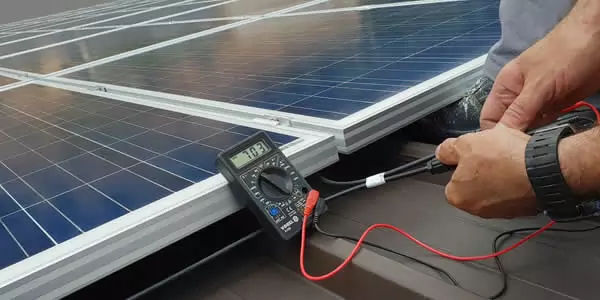
- How Can I Inspect My Electrical Connections? Regularly check the connections for any signs of wear, damage, or corrosion. Also, monitor their performance data to detect any issues that may be affecting energy production.
Verifying Module Performance
If energy production is reduced or inconsistent, it’s essential to verify module performance. By inspecting individual modules, you can identify issues such as cell damage, corrosion, or other problems that may be affecting overall system efficiency.
- What Tools Do I Need for Verifying Module Performance? Some popular options include:
- Module inspection tools or devices that track module performance over time
- Data loggers or other devices that monitor module temperature and other environmental factors
- Specialized equipment for testing individual modules
- How Often Should I Verify Module Performance? Regularly check your system’s performance data to detect any issues that may be affecting energy production.
Best Practices for Maintenance
To ensure your solar panel system receives proper maintenance, follow these best practices:
- Regularly Check and Clean the Solar Panels: Cleaning the panels helps remove dirt, debris, and other substances that can reduce energy production.
- Inspect the Inverters Regularly: The inverters are a critical component of your solar panel system, responsible for converting DC power into AC electricity. Regular inspection and maintenance of the inverters is essential to ensure they continue to function properly.
- Monitor Performance Data: Monitoring your solar panel system’s performance helps identify any issues that may be affecting energy production. By tracking performance data, you can quickly detect problems such as reduced energy output or unusual behavior.
- Inspect Electrical Connections and Cabling Regularly: Electrical connections and cabling are a critical component of your solar panel system, responsible for transmitting electricity from the panels to the inverter and then to the electrical grid. Regular inspection is necessary to ensure these connections remain secure and functional.
Choosing the Right Cleaning Tools
When it comes to cleaning your solar panels, choosing the right tools is crucial. A good quality spazzolone (scraper) can be an effective way to remove debris and dirt from the panels.
- What Are the Risks of Using Incorrect Cleaning Tools? Using incorrect cleaning tools can damage your solar panels or other components of your system.
- How Can I Choose the Right Cleaning Tools for My System? Research different cleaning options, consult with a professional solar installer if needed, and choose tools that are specifically designed for cleaning solar panels.
Conclusion
Regular maintenance is essential to ensuring your solar panel system continues to produce energy efficiently and effectively. By following the best practices outlined in this article, you can help extend the lifespan of your system and maximize its potential.
Frequently Asked Questions (FAQs)
- How Often Should I Clean My Solar Panels?
- What Are the Most Common Causes of Reduced Energy Production?
- How Do I Choose a Reliable Solar Panel Manufacturer?
- Can I Install My Own Solar Panel System?
- What Are the Benefits of Regular Maintenance for My Solar Panel System?


