
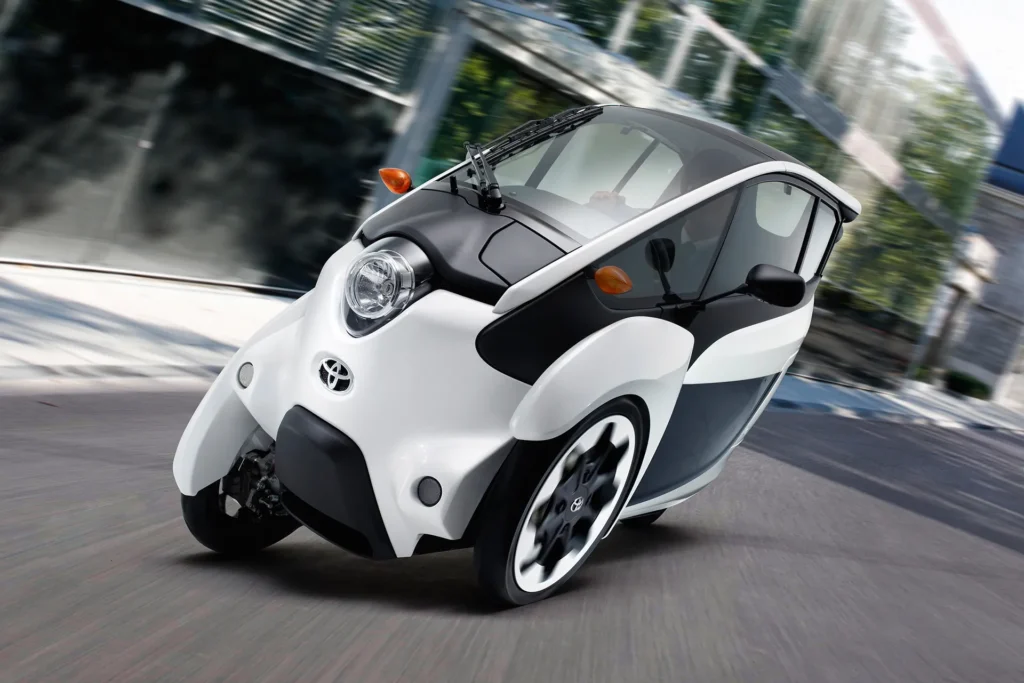
As we move towards a more sustainable future, electric vehicles are becoming increasingly popular. One such vehicle that has caught attention is the Toyota iRoad, an ultra-compact electric car designed specifically for the Greater Tokyo Area. In this article, we’ll delve into the features and specifications of the Toyota iRoad, and explore its potential impact on the automotive industry.
Introduction
The Toyota iRoad is a result of extensive testing and development, with the goal of creating a vehicle that is both environmentally friendly and user-friendly. The car’s design and technology are tailored to meet the unique needs of the Greater Tokyo Area, where congestion and parking space are scarce. With its compact size and electric powertrain, the Toyota iRoad is poised to revolutionize the way we think about urban mobility.
Design and Features
The Toyota iRoad boasts a sleek and futuristic design, with a focus on aerodynamics and visibility. The car’s dimensions are surprisingly small, measuring 234 cm in length, 87 cm in width, and 145 cm in height. Despite its compact size, the Toyota iRoad is designed to be highly maneuverable, with a minimum turning radius of just 3 meters.
One of the standout features of the Toyota iRoad is its advanced battery technology. The car’s lithium-ion batteries are lightweight and efficient, providing a range of approximately 50 km on a single charge. While this may seem limited by today’s standards, it’s worth noting that the Toyota iRoad is designed for short trips and urban commuting.
Another notable feature of the Toyota iRoad is its advanced suspension system, which provides a smooth ride and excellent handling. The car also features a state-of-the-art infotainment system, complete with a high-definition display screen and a range of convenient connectivity options.
Testing and Development
The Toyota iRoad has undergone rigorous testing at various locations in Japan, including Toyota City and Tokyo. The results of these tests have been promising, with the car demonstrating excellent performance and handling. However, there are still some areas where improvement is needed, particularly in terms of range and charging speed.
During testing, the Toyota iRoad was found to be highly responsive and easy to handle, even in heavy traffic conditions. However, the car’s small size can make it vulnerable to larger vehicles on the road, and drivers must be mindful of their surroundings at all times.
Market Potential
While the Toyota iRoad may not be the most practical vehicle for long-distance travel, it has the potential to revolutionize urban mobility. With its compact size and electric powertrain, the car can navigate narrow streets and parking spaces with ease, making it an ideal solution for commuters and city dwellers.
However, there are also some concerns about the market potential of the Toyota iRoad. While the car is designed for short trips, it may not be practical for longer journeys or for those who need to transport multiple passengers. Additionally, the lack of range and charging infrastructure in some areas could limit the car’s appeal.
Comparison to Other Electric Vehicles
The Toyota iRoad is just one of several electric vehicles that have been developed by Japanese manufacturers. While these cars share similar characteristics and features, they also have distinct differences. For example, the Nissan Leaf has a longer range and more powerful motor, making it a better option for those who need to travel farther.
On the other hand, the Honda e is another compact electric car that offers a similar range and performance to the Toyota iRoad. However, its design and features are slightly different, with a focus on comfort and practicality.
The BMW i3, meanwhile, offers a unique blend of style, functionality, and sustainability, making it an attractive option for those looking for a more premium electric vehicle experience.
Safety Features
Safety is always a top priority when it comes to vehicles, and the Toyota iRoad is no exception. The car features a range of advanced safety features, including:
- Forward Collision Alert: This system uses sensors and cameras to detect potential collisions and alert drivers.
- Lane Departure Warning: This feature warns drivers if they drift out of their lane without signaling.
- Blind Spot Monitoring: This system alerts drivers to vehicles in the blind spot using a series of warning lights on the side mirrors.
Environmental Benefits
The Toyota iRoad is an environmentally friendly vehicle that produces zero emissions and reduced greenhouse gas emissions compared to traditional gasoline-powered cars. The car’s electric powertrain also reduces noise pollution, making it a more pleasant driving experience for passengers and pedestrians alike.
However, there are still some environmental concerns associated with the production of lithium-ion batteries, which are used in the Toyota iRoad. These concerns include:
- Resource extraction: Lithium is a key component of lithium-ion batteries, and its extraction can have negative impacts on local ecosystems.
- Energy consumption: Producing lithium-ion batteries requires significant amounts of energy, which can contribute to greenhouse gas emissions.
Future Plans
Toyota has announced plans to expand its electric vehicle lineup and introduce new models in the coming years. The company has also committed to increasing its investment in electric vehicle technology and infrastructure.
In addition to expanding its EV offerings, Toyota is also exploring new technologies that will improve the efficiency and sustainability of its vehicles. Some examples include:
- Regenerative braking: This system captures kinetic energy generated by braking and converts it into electrical energy, which can be stored in the battery.
- Solar charging: Some future Toyota models may feature solar panels integrated into the roof or hood, allowing drivers to recharge their batteries using renewable energy.
Conclusion
The Toyota iRoad is an innovative and exciting vehicle that has the potential to transform urban mobility. With its compact size, electric powertrain, and advanced battery technology, the car is well-suited for short trips and city commuting. However, there are still some areas where improvement is needed, particularly in terms of range and charging speed.
As we move towards a more sustainable future, electric vehicles like the Toyota iRoad will play an increasingly important role in reducing our carbon footprint. With its unique design and features, the car has the potential to inspire a new generation of urban mobility solutions.
Frequently Asked Questions
- What is the range of the Toyota iRoad?
The Toyota iRoad has a range of approximately 50 km on a single charge. - How fast can the Toyota iRoad go?
The Toyota iRoad has a top speed of 60 km/h, making it suitable for urban driving. - Is the Toyota iRoad practical for long-distance travel?
No, the Toyota iRoad is not designed for long-distance travel and may not be practical for those who need to transport multiple passengers. - What are the charging requirements for the Toyota iRoad?
The Toyota iRoad requires a standard 3-phase AC charger, which can charge the battery in approximately 4-6 hours. - Is the Toyota iRoad available for purchase in Europe?
There is no official word on whether the Toyota iRoad will be available for purchase in Europe, but it’s likely that the car will be introduced to European markets in the near future. - How much does the Toyota iRoad cost?
The exact pricing of the Toyota iRoad has not been announced yet, but it’s expected to be competitive with other compact electric cars on the market. - Is the Toyota iRoad environmentally friendly?
Yes, the Toyota iRoad is an environmentally friendly vehicle that produces zero emissions and reduced greenhouse gas emissions compared to traditional gasoline-powered cars. - What are the future plans for the Toyota iRoad?
Toyota has announced plans to expand its electric vehicle lineup and introduce new models in the coming years. The company has also committed to increasing its investment in electric vehicle technology and infrastructure.
Note: The information provided is based on the original article and may not be up-to-date or accurate.


