
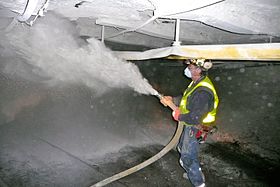
As the world strives to avoid climate change, it is imperative that we take drastic measures to reduce our reliance on fossil fuels. Unfortunately, despite international efforts, two-thirds of all known fossil fuel reserves must remain underground. The International Energy Agency supports this stance, while Italy continues to explore new coal-fired power plants, putting old ones at risk of shutting down.
In recent years, the issue of carbon dust has gained significant attention due to its devastating impact on human health and the environment. This article aims to delve into the world of carbon dust pollution, exploring its causes, effects, and potential solutions. By understanding the risks associated with carbon dust, we can work towards mitigating its harmful effects and creating a more sustainable future for our planet.
The Devastating Impact of CO2 Emissions
Greenhouse gas emissions from burning fossil fuels are destabilizing our climate, and the human health consequences are dire: air, water, and land pollution are rendering them unusable for cultivation. We must acknowledge that both organic and mineral components of carbon dust pose a threat to the environment and human health.
The presence of toxic chemicals like polycyclic aromatic hydrocarbons (PAHs) in the first component make carbon dust an insidious hazard, posing a significant risk to humanity. PAHs are known carcinogens, capable of causing cancer, mutations, and other severe health problems. Heavy metals such as arsenic and mercury found in the second component of carbon dust also pose a considerable threat, with long-term exposure linked to neurological damage, birth defects, and other severe health issues.
We must act now to prevent further damage by adopting sustainable practices, reducing our reliance on fossil fuels, and transitioning to cleaner energy sources. The good news is that there are many ways we can contribute to this effort, from making conscious lifestyle choices to advocating for policies that prioritize sustainability.
Carbon Dust and Marine Pollution
“In the ocean, pollutants spread with ease, depositing on the seafloor and entering the food chain with equal facility. Due to their toxic properties, including carcinogenic, mutagenic, and teratogenic effects, carbon dust causes direct harm to marine species and ends up on our plates.”
Carbon dust enters the ocean via sewage outlets or accidental contamination. When concentrations are high, it can cause localized oxygen depletion in water, disrupting entire ecosystems. This has far-reaching consequences for marine life, from small organisms like plankton to large species like fish and whales.
The impact of carbon dust pollution in the ocean is alarming, with potential long-term effects on global food security, fisheries, and human health. As the world’s oceans become increasingly polluted, it is essential that we take immediate action to mitigate this crisis and protect the marine ecosystem for future generations.
Where is Carbon Dust a Threat?
While Brindisi has been highlighted as a region of concern due to its high levels of coal mining and combustion, unfortunately, there are other areas in Italy where carbon dust poses significant threats to human health and the environment. The World Wildlife Fund (WWF) is actively engaged in legal actions, public awareness campaigns, and advocacy to address these issues.
In Liguria, WWF has highlighted cases where coal mining threatens local ecosystems, including the destruction of habitats and the disruption of natural processes. In Vado Ligure, there’s an ongoing health crisis due to air pollution from nearby industrial sites, while in Porto Tolle, plans for a new coal-fired power plant have raised concerns about environmental damage and human well-being.
These examples demonstrate that carbon dust is not just a localized issue but a global problem that requires immediate attention. By working together, we can ensure that our actions lead to significant reductions in fossil fuel consumption and the transition to sustainable energy sources.
Conclusion
The carbon dust menace is real, and it demands our immediate attention. We must recognize the interconnectedness of climate change, air and water pollution, and their devastating impact on marine ecosystems. The fate of our planet depends on making drastic changes to reduce fossil fuel consumption and transition to sustainable energy sources.
As we move forward, it’s crucial that governments, industries, and individuals work together to mitigate this crisis. We owe it to ourselves, future generations, and the very survival of our planet. By adopting sustainable practices, supporting organizations that advocate for environmental protection, and advocating for policies that prioritize sustainability, we can create a healthier, more sustainable future for all.
Frequently Asked Questions (FAQs)
- What is carbon dust pollution?
Carbon dust pollution refers to the release of harmful particles into the air, water, and land due to coal mining and combustion. - How does carbon dust harm marine life?
Carbon dust pollutants enter the ocean, causing direct harm to marine species and disrupting entire ecosystems. - What are the effects of carbon dust on human health?
The presence of toxic chemicals like PAHs and heavy metals in carbon dust poses significant risks to human health, including cancer, mutations, and birth defects. - Can we reduce carbon dust pollution?
Yes, by transitioning to sustainable energy sources, increasing recycling efforts, and implementing stricter regulations on fossil fuel extraction and combustion. - How can I contribute to reducing carbon dust pollution?
You can start by supporting organizations that advocate for environmental protection, adopting eco-friendly practices in your daily life, and advocating for policies that prioritize sustainability. - What role does industry play in addressing carbon dust pollution?
Industries must take responsibility for their environmental impact by implementing sustainable practices, reducing emissions, and investing in renewable energy sources. - Can we still use coal as a source of energy?
While it’s not yet possible to eliminate coal use entirely, transitioning to cleaner energy sources like solar, wind, and hydroelectric power is essential to mitigate climate change. - What can governments do to address carbon dust pollution?
Governments must implement policies that promote sustainable development, increase investment in renewable energy, and enforce regulations on fossil fuel extraction and combustion.
By working together and taking immediate action, we can prevent further damage from carbon dust pollution and ensure a healthier, more sustainable future for our planet. The time to act is now – let’s join forces to address this critical issue and create a better world for generations to come.


