
As we all know, our skin is the largest organ of our body, and it’s constantly exposed to stress and tension. It’s only natural that maintaining healthy, hydrated skin becomes a top priority.
But why do we often experience dry skin? The answer lies in understanding the factors that contribute to its development. In this article, we’ll delve into the causes of dry skin, explore its symptoms, and discuss effective remedies for alleviating this common condition.
Understanding Dry Skin: Causes and Symptoms
Dry skin is a common issue that affects millions of people worldwide. It’s characterized by a lack of moisture, leading to tightness, roughness, and sometimes even desquamation. The face, hands, feet, elbows, and knees are often the most affected areas.
The causes of dry skin can be divided into external (exogenous) and internal factors.
External Factors:
- Weather conditions: Extreme temperatures, dry air, or humidity can all contribute to dry skin.
- UV radiation: Prolonged exposure to the sun’s rays can damage the skin, leading to dryness and irritation.
- Products: Certain soaps, detergents, or skincare products may strip the skin of its natural oils, causing dryness.
Internal Factors:
- Genetics: Our genetic makeup plays a significant role in determining our skin’s natural moisture levels.
- Hormonal Changes: Hormonal fluctuations during menopause, pregnancy, or puberty can affect skin hydration.
- Age: As we age, our skin’s natural ability to retain moisture decreases, leading to dryness and wrinkles.
- Diet: A diet lacking essential nutrients, such as omega-3 fatty acids, vitamins, and minerals, can contribute to dry skin.
Symptoms of Dry Skin
Dry skin can manifest in various ways, including:
- Tightness and roughness
- Desquamation (scale or flaking)
- Pruritus (itching)
- Redness and irritation
In addition to these symptoms, some people may also experience:
- Flakiness: Dry skin can lead to flakes of dead skin that peel off easily.
- Dullness: The lack of moisture in dry skin can give it a dull and lifeless appearance.
- Skin cracks: If the dryness is severe enough, it can cause cracks or fissures on the surface of the skin.
Natural Remedies for Dry Skin
So, what can you do to alleviate dry skin? Here are some effective natural remedies:
- Hydrate from the Inside Out: Drink plenty of water (at least 1.5-2 liters per day) to keep your skin hydrated.
- Exfoliate Wisely: Gently exfoliate your skin with a gentle scrub or a chemical exfoliant containing alpha-hydroxy acids (AHAs).
- Use Gentle Skincare Products: Switch to fragrance-free, alcohol-free, and hypoallergenic skincare products that won’t strip your skin of its natural oils.
- Moisturize: Apply a moisturizer or body butter rich in emollients, humectants, and occlusives to lock in moisture.
- Protect Your Skin from the Sun: Wear protective clothing, seek shade, and use a broad-spectrum sunscreen with at least SPF 30.
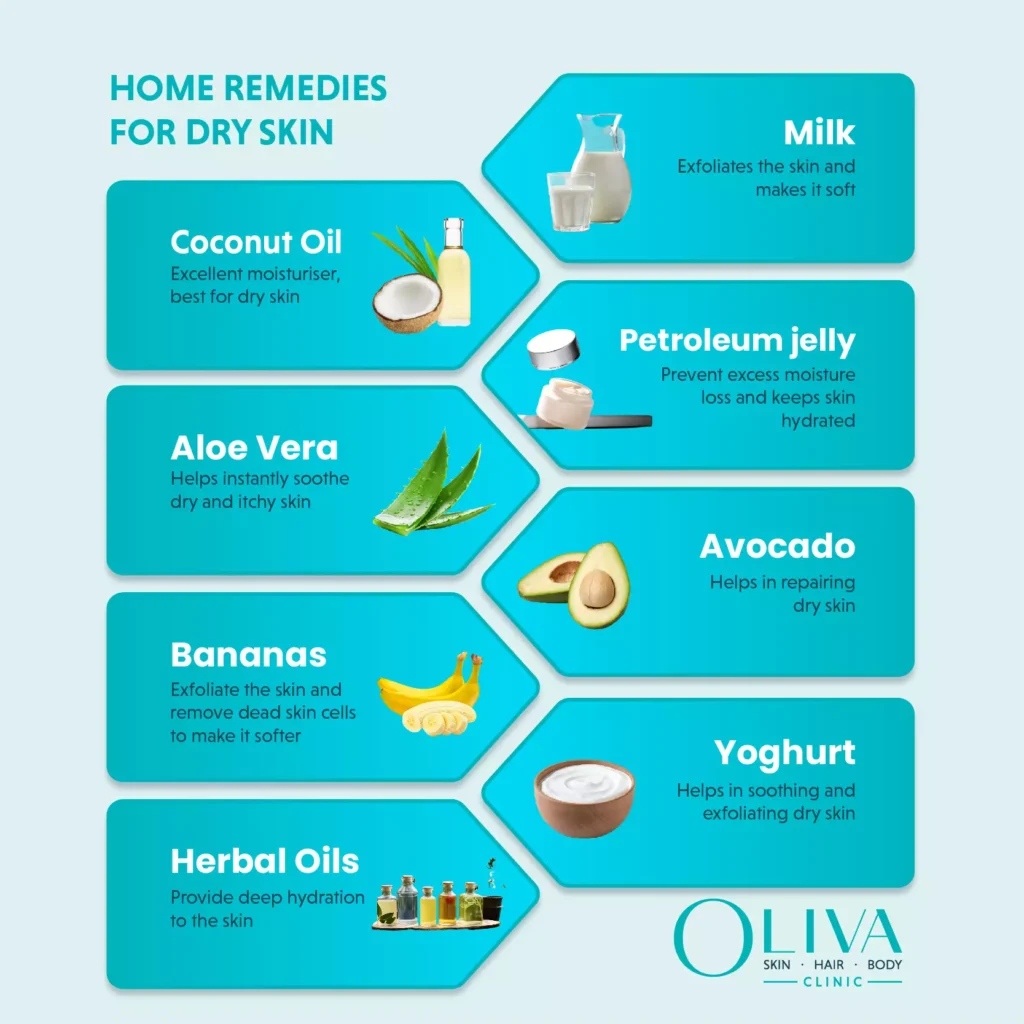
Home Remedies for Dry Skin
Here are some additional home remedies that can help alleviate dry skin:
- Coconut oil: Apply coconut oil to your skin before bed to lock in moisture.
- Olive oil: Use olive oil as a moisturizer or apply it to areas of dry skin after bathing.
- Honey: Mix honey with yogurt and oatmeal to create a soothing mask for dry skin.
- Oatmeal bath: Soak in an oatmeal bath to soften and moisturize your skin.
Lifestyle Changes for Dry Skin
In addition to natural remedies, there are several lifestyle changes you can make to help alleviate dry skin:
- Avoid harsh products: Avoid using soaps, detergents, or skincare products that contain harsh chemicals.
- Use a humidifier: Use a humidifier in your home to add moisture back into the air.
- Stay hydrated: Drink plenty of water throughout the day to keep your skin hydrated from the inside out.
- Avoid hot showers: Take warm or cool showers instead of hot ones, as hot water can strip your skin of its natural oils.
Conclusion
Dry skin is a common issue that affects millions of people worldwide. By understanding its causes and symptoms, we can take steps to alleviate it using natural remedies. Remember to stay hydrated, exfoliate wisely, use gentle skincare products, moisturize, and protect your skin from the sun. With these simple tips, you can say goodbye to dry, itchy skin and hello to a smoother, healthier complexion.
FAQs
- What causes dry skin?
- Dry skin can be caused by external factors such as weather conditions, UV radiation, or using harsh skincare products.
- Internal factors such as genetics, hormonal changes, age, or a poor diet can also contribute to dry skin.
- How can I treat dry skin?
- Hydrate from the inside out with plenty of water.
- Exfoliate wisely using gentle scrubs or chemical exfoliants.
- Use fragrance-free, alcohol-free, and hypoallergenic skincare products.
- Moisturize with rich emollients, humectants, and occlusives.
- Protect your skin from the sun using protective clothing, shade, and broad-spectrum sunscreen.
- Can dry skin be cured?
- Dry skin can be managed and alleviated using natural remedies.
- However, some underlying conditions such as eczema or psoriasis may require medical attention.
- How often should I moisturize my skin?
- Moisturize your skin immediately after bathing or showering while it’s still damp.
- Apply a rich body butter or lotion throughout the day to keep your skin hydrated.
- Can dry skin be prevented?
- Yes, you can prevent dry skin by maintaining good hygiene, using gentle skincare products, and protecting your skin from the sun.
Common Dry Skin Conditions
Dry skin is often associated with other conditions such as:
- Eczema: A chronic condition characterized by itchy, inflamed skin.
- Psoriasis: An autoimmune disease that causes thick, scaly patches on the skin.
- Acne: A skin condition characterized by inflamed pores and acne cysts.
Dealing with Dry Skin During Pregnancy
Pregnancy can exacerbate dry skin due to hormonal changes and increased estrogen levels. To alleviate dry skin during pregnancy:
- Stay hydrated: Drink plenty of water throughout the day.
- Exfoliate wisely: Gently exfoliate your skin using a gentle scrub or chemical exfoliant containing AHAs.
- Use gentle skincare products: Switch to fragrance-free, alcohol-free, and hypoallergenic skincare products that won’t strip your skin of its natural oils.
- Moisturize: Apply a moisturizer or body butter rich in emollients, humectants, and occlusives to lock in moisture.
Conclusion
Dry skin is a common issue that affects millions of people worldwide. By understanding its causes and symptoms, we can take steps to alleviate it using natural remedies. Remember to stay hydrated, exfoliate wisely, use gentle skincare products, moisturize, and protect your skin from the sun. With these simple tips, you can say goodbye to dry, itchy skin and hello to a smoother, healthier complexion.
Additional Resources
- National Eczema Association: A comprehensive resource for eczema patients.
- American Academy of Dermatology: Offers advice on managing dry skin and other skin conditions.
- Skin Care Institute: Provides information on skincare products and treatments.


