
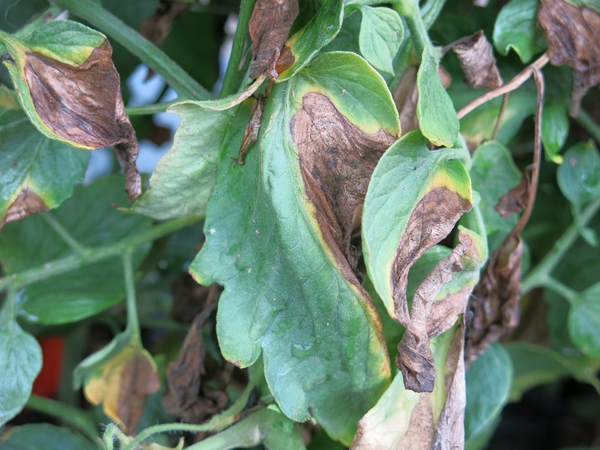
Verticilliosis is a fungal disease caused by two pathogens, Verticillium dahliae and Verticillium alboatrum. These fungi can infect numerous plant species, including popular garden crops like tomatoes, melons, grapes, and more.
What is Verticilliosis?
Verticilliosis is a type of fungal infection that affects plants, causing damage to their leaves, stems, and roots. It’s essential to understand the symptoms and causes of this disease to prevent its spread and effectively treat infected plants.
Causes of Verticilliosis
The two primary fungi responsible for verticilliosis, Verticillium dahliae and Verticillium alboatrum, can survive in soil for extended periods. These fungi are capable of infecting a wide range of plant species, including:
- Tomatoes
- Melons
- Grapes
- Olives
- Cucumbers
- Squash
- Eggplants
- And many others
Symptoms of Verticilliosis
The symptoms of verticilliosis can be quite common. The disease typically affects the leaves, starting with the basal leaves and spreading to the upper leaves. Infected plants may exhibit:
- Discoloration or discoloration of the leaves
- Withering or wilting of the leaves
- A characteristic “cracked” or “split” appearance on the leaves
How Verticilliosis Spreads
The two fungi can penetrate plant tissue through wounds, cuts, or other openings. They also thrive in soil contaminated with infected plant debris.
Life Cycle of Verticilliosis
Verticilliosis has a complex life cycle that involves multiple stages:
- Spore formation: The fungus produces spores, which are dispersed into the air and settle on nearby plants.
- Infection: The spores infect the plant through wounds or other openings.
- Colonization: The fungus colonizes the plant’s tissue, producing mycelium that breaks down the plant’s defenses.
- Production of toxic compounds: The fungus produces toxic compounds that kill the plant and allow it to establish itself.
Factors Contributing to Verticilliosis
Several factors can contribute to the development of verticilliosis:
- Poor soil health: Verticillium fungi thrive in soils with poor drainage, pH imbalance, or inadequate nutrient supply.
- Insufficient crop rotation: Failure to rotate crops regularly allows the fungus to build up resistance and cause more severe infections.
- Water stress: Plants under water stress are more susceptible to infection by verticilliosis.
Treating Infected Plants
Unfortunately, it’s often more effective to remove infested plants rather than trying to treat them. Here are some steps you can take:
- Remove infested plants from your garden to prevent the spread of the disease
- Replace infested plants with healthy ones
- Apply fungicides to newly planted areas to prevent infection
Some popular fungicides include osmocur and poltiglia, which are both effective against verticilliosis. When choosing a fungicide, look for products labeled as “resistant” or “tolerant” to Verticillium dahliae and Verticillium alboatrum.
Preventing Verticilliosis
To prevent the spread of verticilliosis, follow these tips:
- Rotate your crops regularly to break the disease cycle
- Choose resistant or tolerant varieties when purchasing new plants
- Inspect newly planted areas for signs of infection before introducing them into your garden
Verticilliosis: A Fungal Disease that Attacks Plants
Verticilliosis is a fungal disease caused by two pathogens, Verticillium dahliae and Verticillium alboatrum. These fungi can infect numerous plant species, including popular garden crops like tomatoes, melons, grapes, and more.
Understanding the Symptoms of Verticilliosis
The symptoms of verticilliosis can be quite common. The disease typically affects the leaves, starting with the basal leaves and spreading to the upper leaves. Infected plants may exhibit:
- Discoloration or discoloration of the leaves
- Withering or wilting of the leaves
- A characteristic “cracked” or “split” appearance on the leaves
The Spread of Verticilliosis
The two fungi can penetrate plant tissue through wounds, cuts, or other openings. They also thrive in soil contaminated with infected plant debris.
Factors Contributing to Verticilliosis
Several factors can contribute to the development of verticilliosis:
- Poor soil health: Verticillium fungi thrive in soils with poor drainage, pH imbalance, or inadequate nutrient supply.
- Insufficient crop rotation: Failure to rotate crops regularly allows the fungus to build up resistance and cause more severe infections.
- Water stress: Plants under water stress are more susceptible to infection by verticilliosis.
Treatment Strategies
When treating infected plants, it’s essential to adopt a multi-faceted approach:
- Remove infested plants: Removing infested plants is the most effective way to prevent the spread of verticilliosis.
- Apply fungicides: Applying fungicides can help control the disease, but it’s essential to choose products that are labeled as “resistant” or “tolerant” to Verticillium dahliae and Verticillium alboatrum.
- Use cultural controls: Cultural controls, such as crop rotation, soil testing, and irrigation management, can help prevent the spread of verticilliosis.
Prevention Strategies
To prevent verticilliosis, follow these tips:
- Rotate your crops regularly to break the disease cycle
- Choose resistant or tolerant varieties when purchasing new plants
- Inspect newly planted areas for signs of infection before introducing them into your garden
Verticilliosis in Different Regions
Verticilliosis is a widespread disease that can affect crops in various regions. In different parts of the world, verticilliosis may manifest differently:
- North America: Verticilliosis is common in the United States and Canada, where it affects a wide range of crops, including tomatoes, melons, and squash.
- Europe: Verticilliosis is also widespread in Europe, where it affects crops such as grapes, olives, and eggplants.
- Asia: Verticilliosis is a significant problem in Asia, particularly in countries such as China, India, and Japan.
Verticilliosis: A Fungal Disease that Attacks Plants
Verticilliosis is a fungal disease caused by two pathogens, Verticillium dahliae and Verticillium alboatrum. These fungi can infect numerous plant species, including popular garden crops like tomatoes, melons, grapes, and more.
Understanding the Impact of Verticilliosis
Verticilliosis can have significant economic and environmental impacts on agriculture:
- Crop yields: Infected plants may exhibit reduced growth rates, decreased fruit production, and altered leaf color.
- Food safety: Infected plants may be contaminated with toxic compounds that can affect human health.
- Soil degradation: Verticillium fungi can alter soil chemistry, leading to nutrient deficiencies and pH imbalances.
Verticilliosis Research and Development
Researchers are working on developing new treatments and prevention strategies for verticilliosis:
- Biological control agents: Biological control agents, such as Trichoderma harzianum, have been shown to be effective against Verticillium dahliae and Verticillium alboatrum.
- Chemical fungicides: New chemical fungicides are being developed that target specific stages of the fungal life cycle.
Conclusion
Verticilliosis is a widespread fungal disease that can affect numerous plant species, including popular garden crops like tomatoes, melons, grapes, and more. Understanding its symptoms, causes, and prevention strategies can help farmers and gardeners manage the disease effectively. By adopting a multi-faceted approach to treatment and prevention, we can reduce the economic and environmental impacts of verticilliosis.
FAQs
Q: What are the most common symptoms of verticilliosis?
A: The most common symptoms include discoloration, wilting, and a characteristic “cracked” appearance on leaves.
Q: How does verticilliosis spread?
A: Verticilliosis spreads through wounds, cuts, or other openings in plant tissue. It can also thrive in soil contaminated with infected plant debris.
Q: What is the most effective way to treat infested plants?
A: Removing infested plants from your garden is often more effective than trying to treat them. Replacing them with healthy ones and applying fungicides to newly planted areas can help prevent infection.
Q: How can I prevent verticilliosis?
A: Rotate your crops regularly, choose resistant or tolerant varieties when purchasing new plants, and inspect newly planted areas for signs of infection before introducing them into your garden.
Q: What are the economic and environmental impacts of verticilliosis?
A: Verticilliosis can have significant economic and environmental impacts on agriculture, including reduced crop yields, food safety concerns, and soil degradation.


