
As a crucial component in various industries, kerosene has been a topic of interest for many. But what exactly is kerosene, and how does it work? In this comprehensive guide, we’ll delve into the world of kerosene, exploring its composition, uses, benefits, and drawbacks.
What is Kerosene?
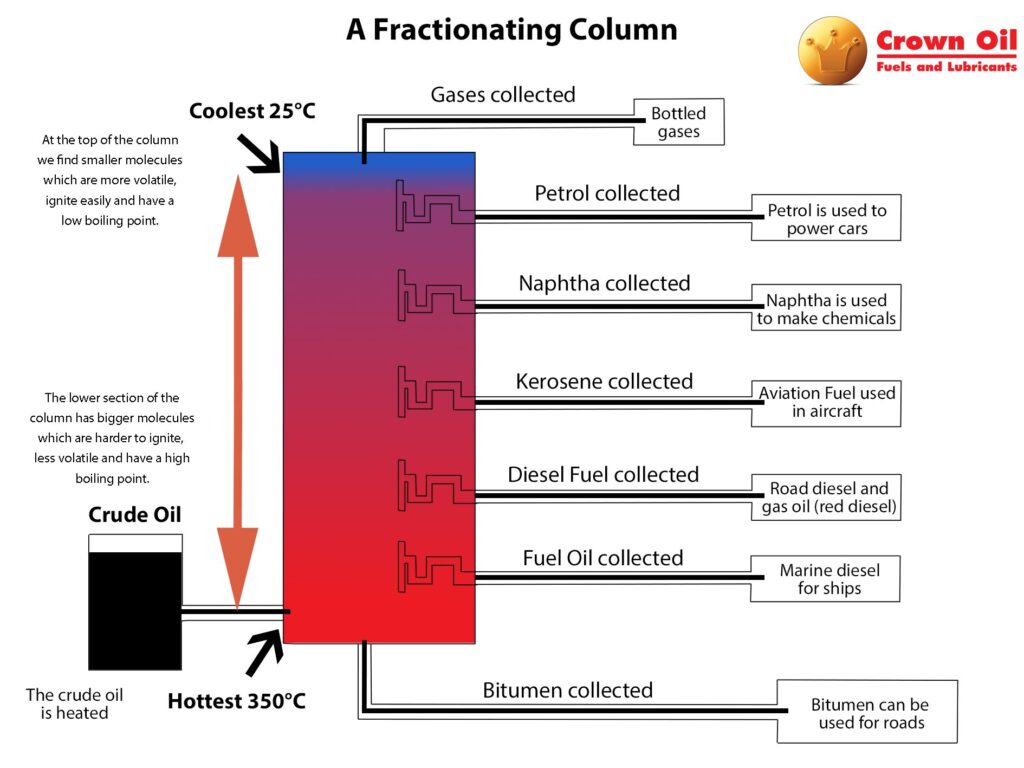
Kerosene is a type of fuel that has been widely used for centuries. It’s a clear, lightweight liquid with a low viscosity, making it an ideal energy source for various applications. Composed primarily of hydrocarbons, kerosene is obtained through fractional distillation of crude oil at temperatures between 150°C and 275°C.
Different Names for Kerosene
Kerosene has been referred to by various names over the years, including:
- Kerosene aviation (due to its use as a fuel for airplanes)
- Paraffin oil (for its ability to dissolve wax and paraffin)
- Lamp oil
- Fuel oil
- White oil
It’s worth noting that while kerosene and paraffin are often used interchangeably, they’re not exactly the same thing. Paraffin is a solid wax-like substance extracted from petroleum, whereas kerosene is a liquid fuel.
Composition of Kerosene
Kerosene’s chemical composition consists of hydrocarbons with 10 to 16 carbon atoms per molecule. The main components are linear alkanes and cycloalkanes, accounting for about 70% of the volume. Aromatics (cyclopentadienyl benzene) make up around 25%, while unsaturated hydrocarbons comprise only 5%.
Properties of Kerosene
Kerosene has several key properties that make it suitable for various applications:
- Low flash point: between 37°C and 65°C
- High heat value: similar to diesel fuel
- Clear, lightweight liquid
However, kerosene also has some drawbacks, including a high ignition temperature and potential toxicity.
Uses of Kerosene
Kerosene is used in various industries and applications, including:
- Stoves and heaters
- Aviation
- Marine propulsion
- Industrial processes
- Lighting (e.g., lamp oil)
In Japan, kerosene stoves are still widely used today.
Benefits of Kerosene
Kerosene has several benefits that make it a popular choice for various applications:
- High energy density
- Low cost
- Easy to store and transport
However, its drawbacks, such as potential toxicity and environmental concerns, must also be considered.
Types of Kerosene
There are different types of kerosene, classified based on their sulfur content:
- 1-K kerosene: used for heating stoves and has a low sulfur content (<0.04%)
- 2-K kerosene: used for industrial processes and has a higher sulfur content (>0.04%)
How Kerosene Stoves Work
A kerosene stove works by using capillary action to draw fuel from the tank into the burner. A small spark ignites the fuel, producing heat through combustion.
Cost of Kerosene
The cost of kerosene varies depending on the type and quality. On average, a liter of kerosene costs around 1.5 euros.
FAQs
Here are some frequently asked questions about kerosene:
Q: What is the difference between kerosene and paraffin?
A: Kerosene is a liquid fuel, while paraffin is a solid wax-like substance extracted from petroleum.
Q: Is kerosene safe to use?
A: While generally considered safe when used properly, kerosene can be toxic if inhaled or ingested.
Q: Can I use kerosene as a fuel for my car?
A: It’s not recommended, as kerosene is not suitable for modern engines and can cause damage.
Q: How do I choose the right type of kerosene for my stove?
A: Consider factors like sulfur content, heat value, and cost when selecting a kerosene type.
Q: Can kerosene be used for heating purposes?
A: Yes, but it’s essential to follow safety guidelines and use a kerosene stove that’s designed for indoor use only.
Safety Precautions When Using Kerosene
When using kerosene, it’s crucial to take proper precautions to avoid accidents:
- Always handle kerosene with care, as it can be toxic if spilled or inhaled.
- Use a well-ventilated area when working with kerosene.
- Never leave a lit stove unattended.
- Keep children and pets away from the stove.
Environmental Concerns
Kerosene is not an environmentally friendly fuel source. Its production, transportation, and disposal can have negative impacts on the environment:
- Air pollution: kerosene emissions contribute to air pollution, particularly in urban areas.
- Groundwater contamination: spills or leaks of kerosene can contaminate groundwater sources.
- Waste generation: kerosene packaging and waste management can generate significant amounts of trash.
Alternatives to Kerosene
In recent years, there has been a growing interest in alternative fuels and energy sources. Some alternatives to kerosene include:
- Biofuels (e.g., biodiesel, bioethanol)
- Natural gas
- Electric power
As concerns about climate change and air pollution grow, it’s essential to explore these alternatives and develop more sustainable energy solutions.
Conclusion
Kerosene is a versatile fuel source with various applications. While it has its benefits and drawbacks, understanding the properties, uses, and environmental concerns of kerosene can help you make informed decisions when considering its use. Whether you’re looking for an alternative to fossil fuels or simply curious about this widely used fuel source, we hope this guide has provided valuable insights into the world of kerosene.
Additional Resources
If you’d like to learn more about kerosene and its applications, here are some additional resources:
- National Institute for Occupational Safety and Health (NIOSH) – Kerosene safety guidelines
- United States Environmental Protection Agency (EPA) – Kerosene emissions regulations
- International Maritime Organization (IMO) – Marine propulsion fuels
By continuing to educate ourselves about kerosene and its uses, we can work towards a more sustainable energy future.


