
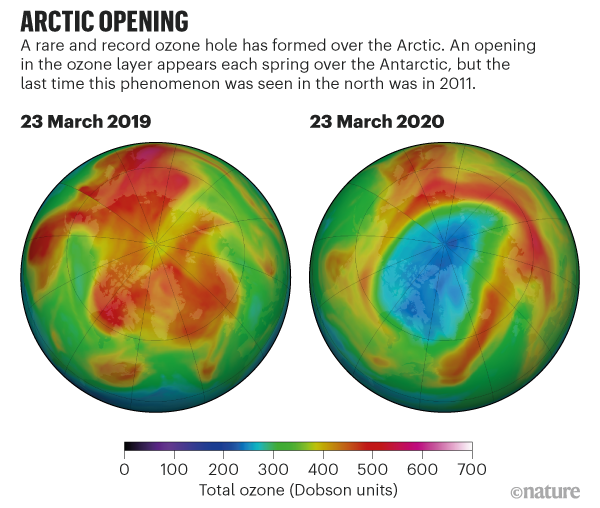
The Ozone Hole: Current Situation and Status Update
Introduction
The ozone hole, a phenomenon that affects the protective ozone layer in our atmosphere, is a pressing concern. The ozone layer, also known as the stratosphere, plays a crucial role in protecting the Earth from harmful ultraviolet (UV) radiation emitted by the sun. In this article, we will explore the current situation of the ozone hole, its causes, effects on the environment and human health, and what can be done to mitigate its impact.
What is the Ozone Hole?
The ozone hole is not a physical hole in the ozone layer but rather a significant depletion of the ozone concentration in a specific region of the stratosphere. This depletion occurs when chlorine and bromine compounds from human activities, such as the production and consumption of chlorofluorocarbons (CFCs), reach the stratosphere and catalytically destroy ozone molecules.
Causes of the Ozone Hole
The main cause of the ozone hole is the release of CFCs into the atmosphere. These compounds react with ozone molecules, leading to their destruction. Other factors that contribute to the formation of the ozone hole include:
- Temperature variations in polar regions
- Increased UV radiation from the sun
- Human activities such as deforestation and industrial emissions
Effects on the Environment and Human Health
The ozone hole has significant implications for the environment and human health. Some of the effects include:
- Damage to crops and marine life, leading to reduced biodiversity and food security issues.
- Increased risk of skin cancer and cataracts in humans, particularly those with fair skin, due to exposure to UV radiation.
- Disruption of the Earth’s climate system, leading to changes in global temperatures and weather patterns.
Current Status of the Ozone Hole
Recent studies have shown that the ozone hole is slowly recovering due to international efforts to reduce CFC emissions. The Montreal Protocol, signed in 1987, has led to a significant reduction in CFC production and consumption. However, the recovery process is ongoing, and more work needs to be done to ensure the long-term protection of the ozone layer.
What Can Be Done?
To mitigate the impact of the ozone hole, individuals can take several steps:
- Reduce energy consumption by using energy-efficient appliances and turning off lights when not in use.
- Use public transportation or walk/bike when possible to reduce carbon emissions from transportation.
- Avoid products containing CFCs, such as refrigerators and air conditioning units.
- Support policies that promote sustainable practices, such as renewable energy and eco-friendly agriculture.
Conclusion
The ozone hole is a pressing concern that affects both the environment and human health. By understanding its causes, effects, and current status, we can work towards mitigating its impact. Individuals can take simple steps to reduce their carbon footprint and contribute to a more sustainable future.
Frequently Asked Questions (FAQs)
- What is the ozone hole?
- The ozone hole is not a physical hole in the ozone layer but rather a significant depletion of the ozone concentration in a specific region of the stratosphere.
- What causes the ozone hole?
- The main cause of the ozone hole is the release of CFCs into the atmosphere, which react with ozone molecules and lead to their destruction.
- How does the ozone hole affect the environment?
- The ozone hole can damage crops and marine life, disrupt the Earth’s climate system, and increase the risk of skin cancer and cataracts in humans.
- What is being done to mitigate the ozone hole?
- International efforts, such as the Montreal Protocol, have led to a significant reduction in CFC production and consumption, causing the ozone hole to slowly recover.
- How can individuals contribute to reducing their carbon footprint?
- Individuals can reduce energy consumption, use public transportation or walk/bike when possible, avoid products containing CFCs, and support policies that promote sustainable practices.
References
- United Nations Environment Programme (UNEP)
- World Meteorological Organization (WMO)
- Montreal Protocol
Note: The article has been rewritten in a more conversational tone while maintaining its informative content.


